Should You Buy a Condo Parking Slot in the Philippines? Costs, Title Rules, and What to Check
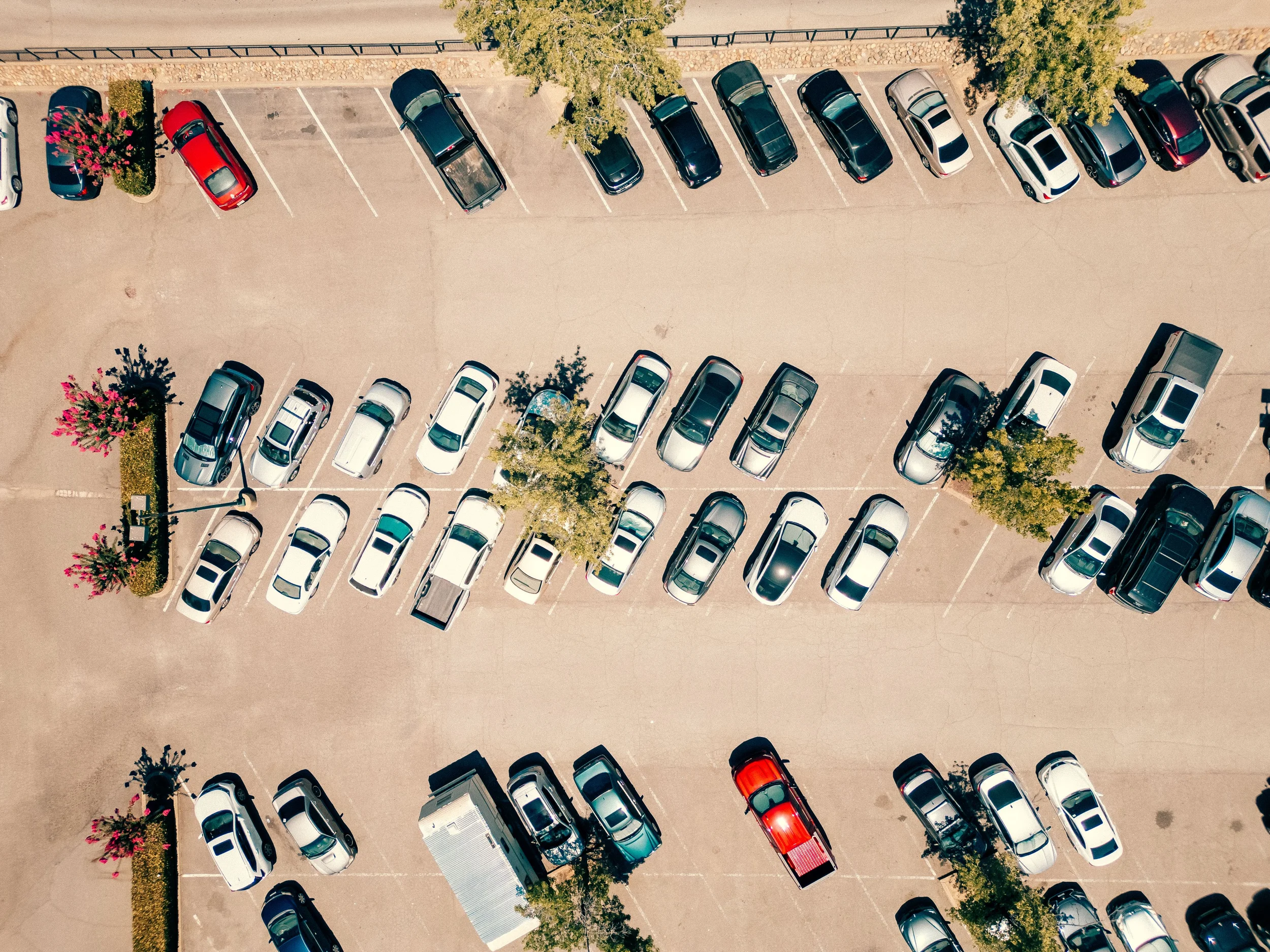
Most first-time condo buyers focus all their energy on the unit itself — the layout, the view, the down payment — and only realize at turnover that the parking slot is a completely separate purchase. In the Philippines, a parking slot is not a freebie that comes bundled with your unit. It is often a titled property in its own right, with its own price tag, its own taxes, and its own resale value.
So the real question is: do you actually need to buy one, and if so, what should you watch out for? Here's a clear, practical breakdown for Filipino buyers and investors.
A Parking Slot Is a Separate Purchase — and Often a Separate Title
The single most important thing to understand: a condo parking slot is almost never included in your unit's base price. It is sold separately and, in most modern developments, comes with its own Condominium Certificate of Title (CCT) — the same kind of title your unit has.
Why a CCT matters: developers sometimes offer parking under a "Certificate of Management" instead of a CCT. The catch is that banks generally will not accept a Certificate of Management as collateral, so you can't mortgage it and it's harder to resell. A titled slot (CCT) is the cleaner, more bankable, more liquid asset.
The classification is set in the building's Master Deed and Declaration of Restrictions. A slot can be one of three things:
A titled unit (own CCT) — you fully own it and can sell or lease it, subject to the by-laws.
A limited common area — assigned for your exclusive use, but not separately titled or freely sellable.
A common area — shared among all owners; use rights are assigned by the condo corporation's board, not owned outright.
Before you pay anything, ask the developer or seller exactly which category applies. The Master Deed controls — not the salesperson's promise and not the paint stripes on the floor.
How Much Does a Condo Parking Slot Cost?
Prices vary dramatically by location and building tier, but as of 2026 here's the general range:
Mid-range and suburban developments: roughly ₱800,000 to ₱1.2 million per slot.
Prime business districts (Makati, BGC, Ortigas): ₱1.5 million to ₱3 million per slot, with ultra-premium towers going higher.
That's a serious line item — in some cases a parking slot in a prime CBD costs as much as a studio unit in a provincial city. If buying outright isn't practical, leasing is an option: monthly rentals from another owner typically run ₱3,000 to ₱7,000 per month depending on the building.
Don't forget the slot carries its own recurring costs too. Parking units are charged association dues, and these are sometimes billed at a higher per-square-meter rate than residential units because parking doesn't contribute to elevator and lobby upkeep. Factor this into your monthly budget, not just the purchase price.
Slots Are Limited — Don't Assume You'll Get One
The Building Code of the Philippines sets minimum parking ratios for residential buildings, but developers rarely build a one-to-one ratio of units to slots. In practice, that means there are usually fewer slots than units. Buying a slot is an option, not a guarantee, and in popular towers they sell out fast.
If you own a car (or plan to) and the building is in a tight-parking area, securing a slot early can be worth it — both for convenience and because a titled slot tends to appreciate alongside the building. If you don't drive, or the development sits right on top of an MRT/LRT station or has abundant ride-hailing access, you may be better off skipping the purchase and renting only when needed.
Can Foreigners Buy a Parking Slot?
Yes — with the same caveat that applies to condo units. Under the Condominium Act (RA 4726), foreign nationals can own condominium property, including titled parking slots, as long as total foreign ownership in the project does not exceed 40% of the floor area. If you're a foreign buyer, confirm with the developer that the project is still within the foreign-ownership cap before committing.
Buyer's Due Diligence Checklist
Whether you're buying from a developer or from another owner on the resale market, run through this before signing anything:
Confirm the title type. Ask to see the CCT for the slot if it was promised as titled. No CCT means no clean, mortgageable ownership.
Read the Master Deed and by-laws. Check whether the slot is a true unit, a limited common area, or common area — and whether sub-leasing parking to non-residents is even allowed.
Verify the actual dimensions. Inspect the physical slot. Some are too tight for SUVs or pickups. The master plan governs the real size, not the painted lines.
Ask about association dues. Get the exact per-slot rate so there are no surprises.
Check the parking ratio. Know how many slots exist versus units — this tells you how scarce (and resilient in value) the slot is.
For resale or overseas sellers: confirm capital gains tax is computed on the higher of zonal value or selling price, and that a valid Special Power of Attorney (SPA) is in place if the seller is abroad.
The Bottom Line
A condo parking slot in the Philippines is best treated as what it legally is: a small but real piece of property. For car-owning buyers in CBDs where slots are scarce, a titled slot is both a convenience and an appreciating asset. For non-drivers or those in transit-friendly locations, renting on demand often makes more financial sense. Either way, the deciding factor is the paperwork — confirm the title type and the Master Deed classification before a single peso changes hands.
Ready to find a condo that fits your lifestyle, parking and all? Browse listings and compare developments on Listd.ph — your AI-powered home for property search and discovery in the Philippines.
This article is for general information only and is not legal or financial advice. Confirm specific title, tax, and association-dues details with the developer, a licensed broker, or a real estate lawyer before purchasing.
About the Author


Enjoyed this article? Share it with others.
Latest Posts

BIR eCAR in the Philippines: What It Is and How to Get One
What the BIR eCAR is, the documents you need, taxes to pay, and the step-by-step process to transfer a property title in the Philippines without delays.
Rental Yield in the Philippines: How to Calculate and Compare Across Submarkets
Learn how to calculate rental yield in the Philippines and compare 2026 returns across BGC, Makati, Quezon City, and Bay Area submarkets.

Special Power of Attorney for Real Estate in the Philippines: A Complete Guide
Learn how a Special Power of Attorney works for buying or selling property in the Philippines — requirements, notarization, apostille, and consular rules.

Conjugal Property in the Philippines: What Married Couples Must Know Before Buying or Selling
Conjugal vs. exclusive property and the spousal consent rule explained—what married couples must know before buying or selling real estate in the Philippines.
Stay Updated on Market Trends
Get the latest real estate insights, investment tips, and market analysis delivered to your inbox every week.
Join 10,000+ subscribers. No spam, unsubscribe anytime.