Bank Housing Loan Philippines: A Complete Guide
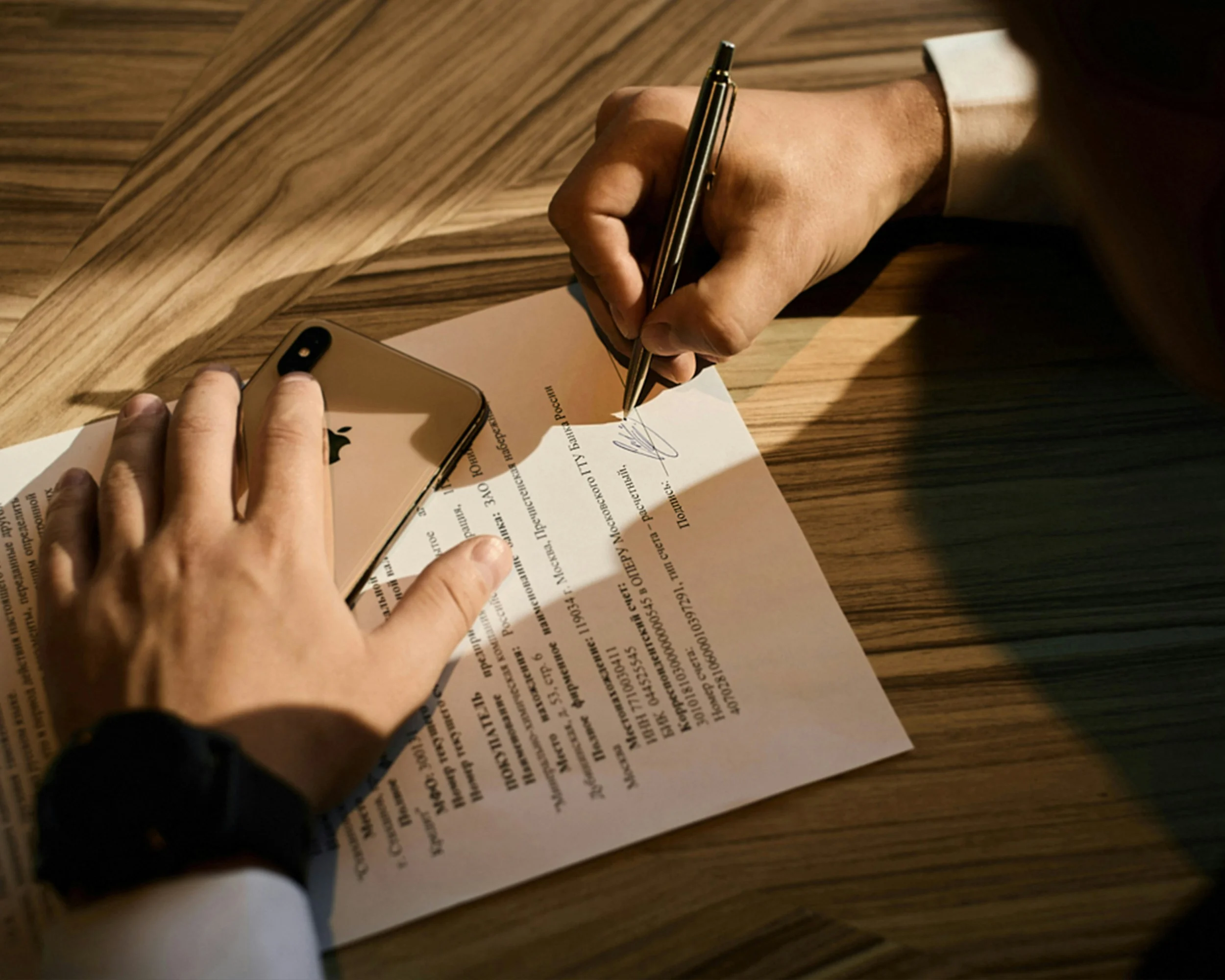
Buying a home in the Philippines is one of the biggest financial decisions you'll ever make — and choosing the right housing loan can save you hundreds of thousands of pesos over the life of your mortgage. While Pag-IBIG is a popular option for salaried workers, a bank housing loan often offers more flexibility, higher loan amounts, and faster processing for buyers who qualify.
This guide covers everything you need to know about getting a bank housing loan in the Philippines in 2026: current interest rates, which bank suits your situation, how to apply, and what to expect after approval.
2026 Bank Housing Loan Rates Comparison
Interest rates vary significantly by bank and by fixing period — the length of time your rate is locked in. Here's a current snapshot of rates from eight major Philippine banks:
Bank | 1-Year Fix | 3-Year Fix | 5-Year Fix | Max Loan Term | Min Loan Amount |
|---|---|---|---|---|---|
BDO | 6.75% | 7.25% | 8.00% | 20 years | PHP 500,000 |
BPI | 6.50% | 6.88% | 7.25% | 20 years | PHP 400,000 |
Metrobank | 5.50%* | — | 7.50% | 25 years | PHP 500,000 |
Security Bank | 7.00% | 7.50% | 6.80%† | 20 years | PHP 1,000,000 |
China Bank | 7.50% | 7.50% | 8.00% | 20 years | PHP 500,000 |
RCBC | 6.38% | 7.25% | 7.50% | 20 years | PHP 500,000 |
Maybank | 6.75% | 7.25% | 7.50% | 30 years | PHP 500,000 |
UnionBank | 6.00% | — | 7.50% | 20 years | PHP 200,000 |
*Metrobank's 5.50% is a promotional introductory rate; standard APR range is 5.50%–10.50%.
†Security Bank 6.80% is a 5-year promo rate; standard rate is 7.00%–8.50%.
Important note: These rates are indicative as of early 2026 and may change. Always confirm the current rate with your chosen bank before submitting your application.
What do fixing periods mean? When you take a bank housing loan, your interest rate is fixed for an initial period (1, 3, or 5 years). After that, it resets to the bank's prevailing rate. A shorter fixing period usually means a lower initial rate but more exposure to rate changes down the road. A 5-year fix offers more predictability.
Monthly Amortization Examples
To give you a concrete picture of what your monthly payments might look like, here are two worked examples based on a PHP 3,000,000 loan over 20 years:
At 6.75% (BDO 1-year fix):
Monthly amortization ≈ PHP 22,800
Total interest over 20 years ≈ PHP 2,472,000
At 7.25% (BPI 3-year fix):
Monthly amortization ≈ PHP 23,700
Total interest over 20 years ≈ PHP 2,688,000
The difference of roughly PHP 900/month might seem small, but over 20 years it adds up to over PHP 216,000 in additional interest — a strong reason to compare rates carefully before committing.
Which Bank Is Right for Your Buyer Profile?
Not all banks serve the same borrowers equally well. Here's a quick guide based on buyer type:
First-time homebuyer with steady employment
Go with BPI or BDO — both have streamlined processes, strong branch networks, and extensive experience with first-time buyers. BPI's minimum loan of PHP 400,000 is also the lowest among major banks, making it accessible for more affordable properties.
OFW (Overseas Filipino Worker)
Security Bank and Metrobank have dedicated OFW housing loan programs. Security Bank in particular accepts OFW applicants with an attorney-in-fact (a designated representative in the Philippines to sign documents). RCBC also accommodates OFWs with a relatively smooth remote application process.
Self-employed or business owner
China Bank and Maybank tend to be more flexible for self-employed applicants, accepting ITRs, audited financial statements, and business permits in lieu of payslips. Expect a longer processing time and be prepared with at least two years of business financial records.
High-income buyer or large loan amount
Security Bank is a strong choice for larger loans (minimum PHP 1M, competitive 5-year promo rate) and premium property transactions. Metrobank's 25-year maximum term also helps keep monthly payments manageable on large loan amounts.
Buyer who wants flexibility
Maybank offers the longest loan term in this group — up to 30 years — which lowers monthly amortization significantly. UnionBank has the lowest minimum loan amount (PHP 200,000), useful for smaller condo units or affordable housing.
How to Apply for a Bank Housing Loan in the Philippines: Step by Step
Step 1: Check Your Eligibility
Most banks require borrowers to be:
Filipino citizen (or foreign national married to a Filipino, depending on the bank)
Between 21 and 65 years old at the time of loan maturity
Employed for at least 2 years (or self-employed for at least 3 years)
With a good credit history (no unpaid loans, no adverse credit records)
Step 2: Assess Your Borrowing Capacity
Banks typically allow you to borrow up to 80% of the appraised property value (sometimes up to 90% for low-risk profiles). Your monthly amortization should generally not exceed 30%–35% of your gross monthly income.
Debt-to-income ratio tip: Before applying, add up all your current monthly loan payments (car, personal loan, credit cards). If this total already exceeds 30%–35% of your income, consider paying down some debt first or co-borrowing with a spouse to increase your qualifying income.
Step 3: Pre-qualify (Optional but Recommended)
Several banks — including BPI and BDO — offer online pre-qualification tools. These give you a non-binding indicative approval so you know your budget before you start property hunting. Pre-qualification doesn't affect your credit score.
Step 4: Prepare Your Documents
For employed borrowers:
Completely filled-out loan application form
Government-issued ID (2 valid IDs)
Latest 3 months' payslips
Certificate of employment with compensation
Latest ITR (BIR Form 2316 or 1700)
Proof of billing (utility bill, credit card statement)
For self-employed borrowers:
DTI/SEC registration of business
Audited financial statements (last 2–3 years)
Latest ITR (BIR Form 1701)
Bank statements (last 6–12 months)
Mayor's permit / Business permit
For OFWs:
Valid passport and work visa / employment contract
POEA-authenticated employment contract or OWWA membership
Latest 3 months' remittance records
Special power of attorney for your Philippine representative
Property documents (for all borrowers):
Certified True Copy of Transfer Certificate of Title (TCT)
Tax Declaration for land and improvement
Deed of Sale or Contract to Sell (if available)
Latest real property tax receipts
Step 5: Submit Your Application
Visit your chosen bank branch or apply online (BPI, BDO, and Metrobank all have online application portals). Submit your completed form and documents. The bank will arrange an appraisal of the property.
Step 6: Wait for Approval
Typical bank processing times range from 5 to 15 business days after complete document submission. During this time, the bank will:
Verify your employment and income
Conduct a credit check
Appraise the property
Assess the title for liens or encumbrances
If additional documents are required, the bank will contact you — respond promptly to avoid delays.
Step 7: Sign the Loan Documents
Once approved, you'll be called in to sign the Promissory Note, Real Estate Mortgage (REM), and other loan documents. Review everything carefully, particularly the interest rate fixing period, repricing schedule, prepayment penalty clause, and insurance requirements.
Beyond the Headline Rate: What Else to Compare
Many borrowers fixate on the interest rate alone. But the effective cost of a housing loan includes:
Processing fee: Typically PHP 5,000–PHP 10,000 or 0.5%–1% of loan amount
Appraisal fee: PHP 3,000–PHP 5,000, sometimes waived during promotions
Mortgage Redemption Insurance (MRI): Life insurance that pays off your loan if you die; usually annual
Fire/Property Insurance: Required by all banks; covers the structure against fire and other perils
Notarial and registration fees: Title transfer, annotation of mortgage — these can run PHP 20,000–PHP 80,000 depending on property value
Prepayment penalty: If you pay off the loan early (within the first 3–5 years), some banks charge a penalty of 1%–3% of the outstanding balance
Always ask the bank for a Total Cost of Borrowing breakdown, not just the monthly amortization figure.
What Happens After Loan Approval
Title transfer: The seller transfers the title to your name at the Registry of Deeds. This typically takes 4–8 weeks.
Mortgage annotation: The bank's lien is annotated on your new TCT. The bank will hold the owner's duplicate title for the duration of the loan.
Loan drawdown: The bank releases funds directly to the seller (or developer) once the title and mortgage annotation are complete.
First amortization: Your first monthly payment typically begins one month after the loan is released.
Annual insurance renewal: You must renew your MRI and property insurance every year. Some banks auto-deduct premiums; others require you to submit renewal documents.
Start Your Property Search on Listd
Once you know your budget and target bank, the next step is finding the right property. Listd.ph is a Philippine real estate marketplace where you can search for houses, condos, and lots for sale across every major city — with verified listings and direct owner contact.
Use Listd's free property valuation tool to check if a property is fairly priced before you apply for a bank housing loan on it.
Browse house and lot for sale on Listd →
Reminder: Rates cited in this article are based on publicly available information from bank websites and are indicative as of April 2026. Contact your preferred bank directly for the most current rates and eligibility requirements.
About the Author


Enjoyed this article? Share it with others.
Latest Posts

BIR eCAR in the Philippines: What It Is and How to Get One
What the BIR eCAR is, the documents you need, taxes to pay, and the step-by-step process to transfer a property title in the Philippines without delays.

Should You Buy a Condo Parking Slot in the Philippines? Costs, Title Rules, and What to Check
Should you buy a condo parking slot in the Philippines? Learn the real costs, separate CCT title rules, and what to check before you pay.
Rental Yield in the Philippines: How to Calculate and Compare Across Submarkets
Learn how to calculate rental yield in the Philippines and compare 2026 returns across BGC, Makati, Quezon City, and Bay Area submarkets.

Special Power of Attorney for Real Estate in the Philippines: A Complete Guide
Learn how a Special Power of Attorney works for buying or selling property in the Philippines — requirements, notarization, apostille, and consular rules.

Conjugal Property in the Philippines: What Married Couples Must Know Before Buying or Selling
Conjugal vs. exclusive property and the spousal consent rule explained—what married couples must know before buying or selling real estate in the Philippines.
Stay Updated on Market Trends
Get the latest real estate insights, investment tips, and market analysis delivered to your inbox every week.
Join 10,000+ subscribers. No spam, unsubscribe anytime.