Condo vs. House in the Philippines: Which Property Should You Buy?
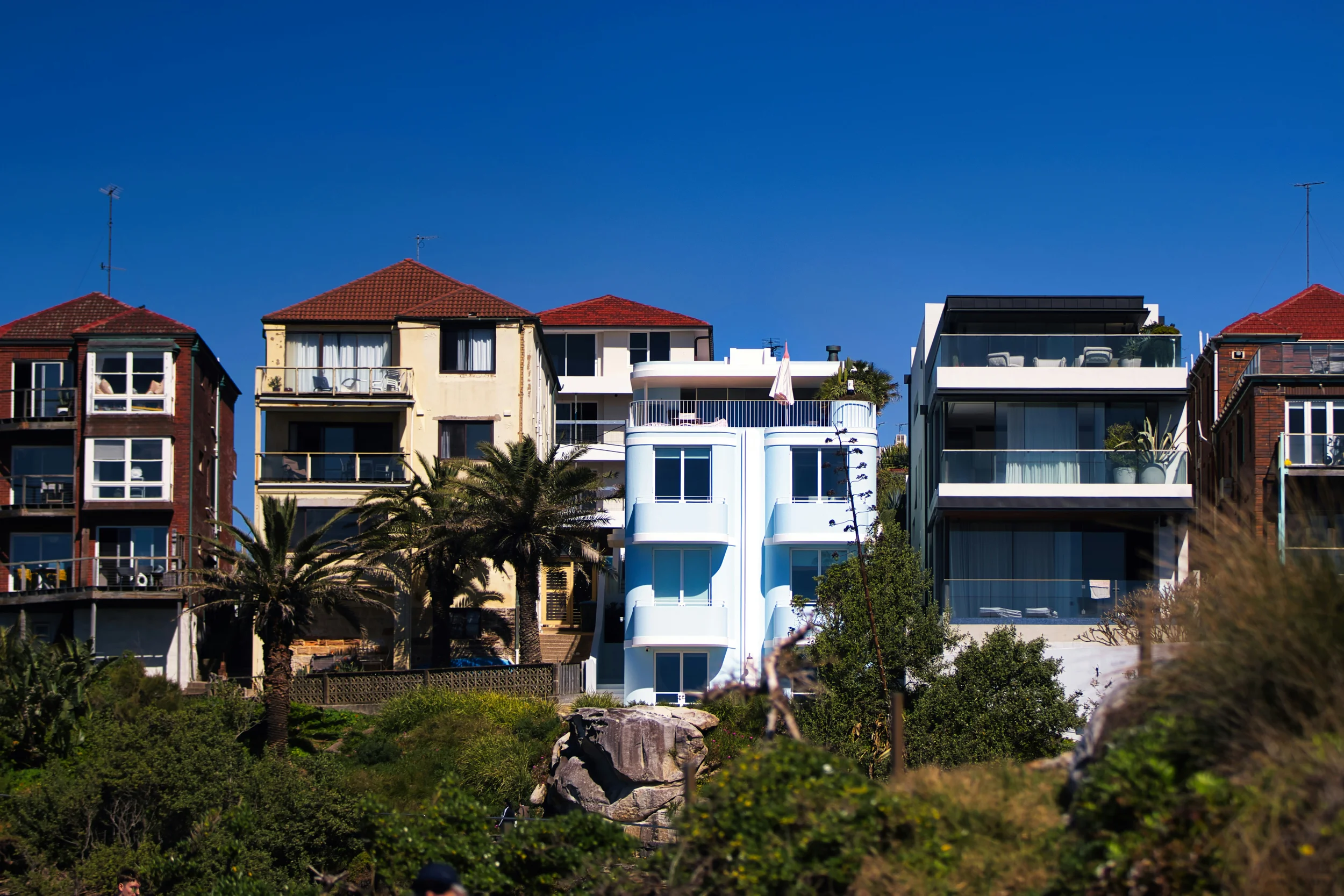
Buying property in the Philippines is one of the biggest financial decisions you'll ever make — and one of the first forks in the road is this: condo or house and lot?
Both have genuine advantages. Neither is universally better. The right answer depends on your budget, lifestyle, family situation, career setup, and long-term financial goals. This guide breaks down every major factor so you can decide with clarity.
At a Glance: Condo vs. House and Lot
Factor | Condominium | House and Lot |
|---|---|---|
Entry price (Metro Manila) | PHP 2M–6M | PHP 3M–15M (city); PHP 1.5M–6M (suburbs) |
Typical size | 20–80 sqm | 60–400+ sqm |
Location | Urban CBDs, near transit | Suburban, provincial, gated communities |
Land ownership | No (CCT, air rights only) | Yes (TCT, land + structure) |
Monthly dues | PHP 5,000–20,000+ | PHP 500–3,000 (HOA) |
Amenities | Pool, gym, 24/7 security | Varies by subdivision |
Maintenance | Managed by condo corporation | Homeowner's responsibility |
Foreign ownership | Up to 40% per building | Not allowed (land) |
Ideal for | Singles, couples, investors | Families, long-term residents |
1. Budget: How Much Are You Actually Spending?
The sticker price is just the beginning.
For condos, a studio or 1-bedroom unit in Metro Manila can start as low as PHP 2.5M in developing areas like Novaliches, Pasig, or Mandaluyong. Prime BGC or Rockwell units can reach PHP 10M to PHP 30M or more. Pre-selling (off-plan) condos typically require a 10–20% down payment with the balance through Pag-IBIG or bank financing.
For houses and lots, you get far more space per peso if you're willing to move outside the city. A house and lot in Cavite or Laguna can be had for PHP 2M to PHP 5M — with a garden, garage, and room for a family. In Metro Manila, expect to pay significantly more: townhouses in Quezon City or Pasig typically start at PHP 5M and rise steeply from there.
Beyond the purchase price, ongoing monthly costs differ sharply. Condo association dues (PHP 50–150 per sqm per month) are a permanent expense. A 60 sqm unit in a mid-range building could cost PHP 6,000–9,000/month in dues alone — before your mortgage. House subdivisions charge HOA fees too, but they're typically far lower.
Budget reality check: If your take-home pay is PHP 60,000/month and you can commit 30% to housing, you have PHP 18,000/month for all housing costs. A condo with high dues may eat that budget quickly. A suburban house may give you more financial breathing room.
2. Location: The Most Important Factor Nobody Talks About Enough
In the Philippines, where you live has an enormous impact on daily quality of life — because of traffic.
Condos win on urban proximity. If you work in Makati, BGC, Ortigas, or UP Diliman, living in a nearby condo eliminates a 2–3 hour daily commute. That's real time back in your life. Many condos are within walking distance of LRT/MRT stations, malls, hospitals, and offices.
Houses win on space and cost. But they're almost always in Cavite, Laguna, Bulacan, Rizal, or Pampanga — which can mean long commutes unless you're working remotely, driving off-peak, or live near a provincial employment hub.
With the rise of hybrid and remote work, the suburban house is now far more viable than it was five years ago. If your employer lets you work from home three or more days a week, a Laguna or Cavite house starts looking like excellent value.
Key question to ask yourself: How many days a week will I need to physically commute, and how long is that drive?
3. Space and Lifestyle Fit
This is where condos and houses diverge most clearly.
A typical Metro Manila condo unit is 25 to 60 sqm. That's workable for a single person or a couple without children. It is cramped for a family of four. Most condos have strict rules on renovations, pets, and noise — you are living in a shared building, and that has real constraints.
A house and lot typically gives you 80 to 300+ sqm of living space, a private outdoor area, room for a garage, and the freedom to renovate as you like. You can keep dogs, plant a vegetable garden, host family gatherings, and generally live on your own terms.
Who should lean toward a condo:
Young professionals who prioritize location and convenience
Couples without children or with very young children
Investors targeting the rental market (studios and 1-bedrooms are highly rentable near CBDs)
OFWs who want a low-maintenance, lockable asset while working abroad
Who should lean toward a house:
Families with school-age children
Pet owners (especially those with dogs)
Anyone who works from home and needs a dedicated home office
Buyers who plan to live in the property for 10+ years and want to build real equity
4. Investment Potential: Which Appreciates More?
A foundational principle in Philippine real estate: land appreciates, buildings depreciate.
Houses and lots: The land component is the store of value. In well-located suburban areas with improving infrastructure — think NLEX-connected towns in Bulacan, Laguna Tech Park corridors, or South Road Properties in Cebu — land values have appreciated steadily. Long-term, owning land in a growing area is one of the strongest wealth-building moves available to Filipinos.
Condominiums: Appreciation is more nuanced. In supply-heavy markets like certain BGC or Bay Area corridors, condo prices have softened due to oversupply. In well-managed, well-located buildings with strong rental demand, condos can still deliver competitive returns — but you need to do your homework on occupancy rates and building reputation.
Rental income: Condos near CBDs generally command strong rental demand. A well-positioned BGC studio can fetch PHP 25,000–40,000/month in rent, delivering gross yields of 4–7% annually. Houses in subdivisions are harder to rent out at scale and typically deliver lower yields.
Bottom line for investors: If you want rental income in the short to medium term, a well-located condo is usually the better vehicle. If you want long-term wealth through land appreciation, a house and lot wins.
5. Legal Ownership: The Detail That Changes Everything
This difference has major long-term implications.
When you buy a condo, you receive a Condominium Certificate of Title (CCT). You own the unit — the air space — but not the land beneath the building. The land is owned collectively by all unit owners through the condo corporation.
When you buy a house and lot, you receive a Transfer Certificate of Title (TCT). You own both the structure and the land it sits on. This is a fundamentally stronger form of ownership.
This also matters for foreign buyers. Under Philippine law, foreigners cannot own land — but they can own condo units, provided foreign ownership in a building does not exceed 40%. If you're buying for a foreign partner or planning to co-own with someone who is not a Filipino citizen, this distinction is critical.
6. Practical Checklist Before You Decide
Before committing, ask yourself these questions:
Where is my workplace or my children's school, and how does each option affect my daily commute?
What is my household size today, and what will it likely be in 5 years?
Can I comfortably absorb condo association dues on top of mortgage payments?
Is this a home I'll live in or an investment I'll rent out?
Am I buying pre-selling or ready for occupancy? (Pre-selling condos carry developer risk; RFO units let you verify the actual unit before committing.)
Does the subdivision or condo building have a strong track record of maintenance and management?
If you answer these questions honestly, the right choice usually becomes clear.
Make Your Search Easier with Listd.ph
Ready to compare real listings side by side? Listd.ph is the Philippines' fastest-growing AI-powered property marketplace.
Whether you're leaning condo or house, start your search on Listd.ph and find a verified listing that fits your life.
About the Author


Enjoyed this article? Share it with others.
Latest Posts

How to Get an Occupancy Permit in the Philippines: A Complete Guide
A complete guide to the occupancy permit in the Philippines — requirements, step-by-step process, costs, and why buyers must verify one before purchase.

Documentary Stamp Tax on Real Estate in the Philippines: A Complete Guide for Buyers and Sellers
What is Documentary Stamp Tax (DST) on real estate in the Philippines? Learn the 1.5% rate, who pays, deadlines, and how to compute it before title transfer.
Pag-IBIG MP2 Savings: The Smart Way to Build Your Home Down Payment
Learn how the Pag-IBIG MP2 Savings Program works, its 7%+ tax-free dividends, and how Filipino homebuyers use it to build a property down payment fund.

How to Compute Your Monthly Amortization in the Philippines: A Step-by-Step Guide
Learn how to compute your monthly home loan amortization in the Philippines: the formula, the 35% income rule, MRI, fire insurance, and upfront closing fees.
Rent vs. Buy in the Philippines: Which Is the Smarter Financial Move?
Renting vs. buying a home in the Philippines? Compare real costs, mortgage rates, and the break-even math to decide which fits your finances.
Stay Updated on Market Trends
Get the latest real estate insights, investment tips, and market analysis delivered to your inbox every week.
Join 10,000+ subscribers. No spam, unsubscribe anytime.