Rent vs. Buy in the Philippines: Which Is the Smarter Financial Move?
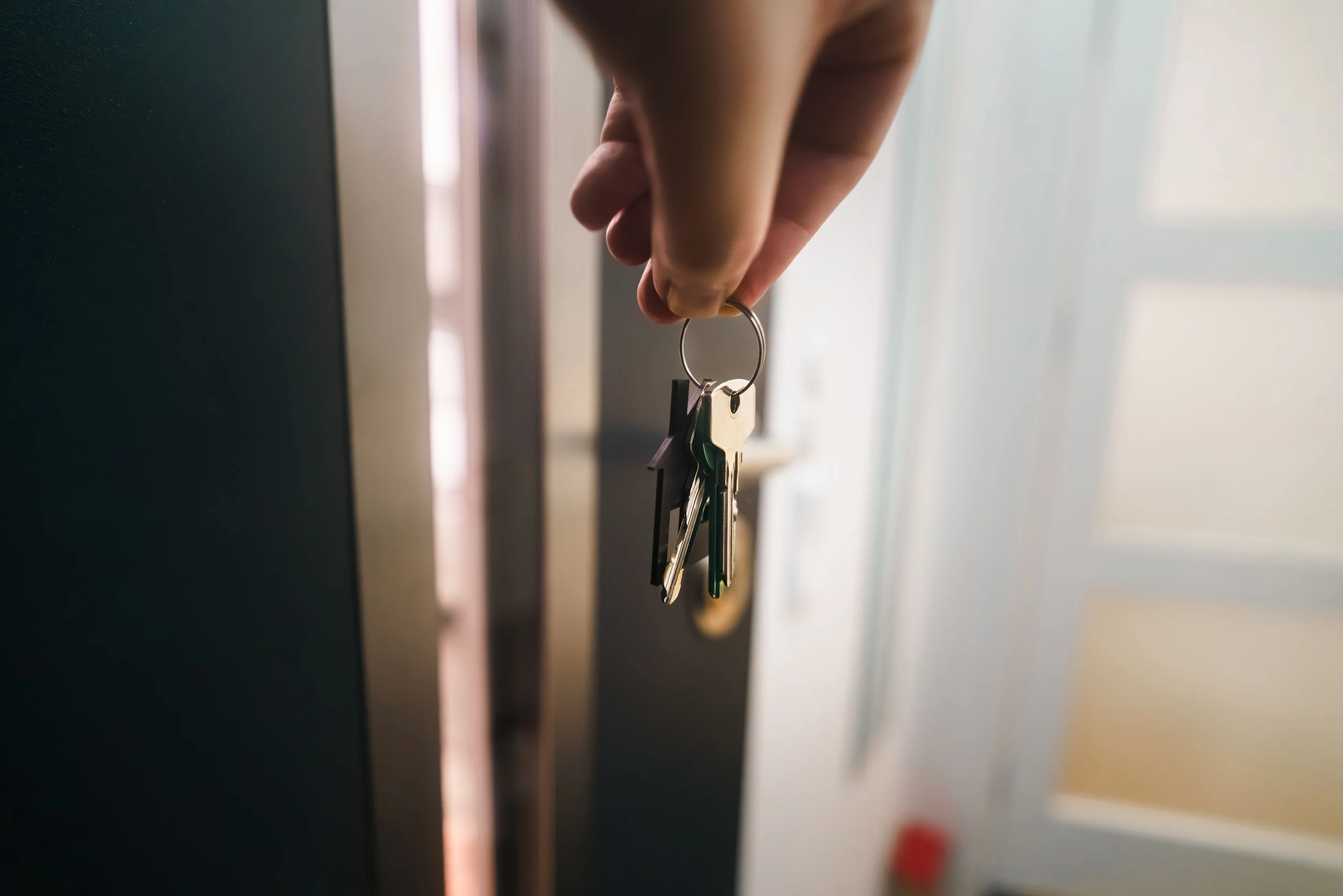
"Sayang ang upa" — it's one of the most repeated lines in any Filipino household. The idea that renting is just throwing money away pushes many people to buy as soon as they can scrape together a down payment. But the rent-versus-buy decision is rarely that simple, and getting it wrong can cost you hundreds of thousands of pesos.
The truth is that neither option is universally "smarter." The right answer depends on your finances, how long you plan to stay put, and the current interest-rate environment. In this guide, we'll break down the real numbers behind renting and buying in the Philippines so you can make a decision based on math, not guilt.
Rent vs. Buy at a Glance
Factor | Renting | Buying |
|---|---|---|
Upfront cost | ~3 months' rent (deposit + advance) | 10–30% down payment + 5–8% closing costs |
Flexibility | High — leave at the end of your lease | Low — selling takes time and money |
Builds equity? | No | Yes — with every amortization payment |
Cost predictability | Rent can rise yearly | Fixed during your loan's fixing period |
Best for | Staying under 5 years; not yet loan-ready | Staying 5+ years; qualifies for low rates |
The Real Cost of Renting
Renting is often dismissed as money you'll never see again, but it buys you something valuable: flexibility and predictability.
Lower upfront cost. Most Philippine landlords ask for two months' deposit plus one month advance — roughly three months' rent to move in. Compare that to the down payment on a condo, which can run 10–30% of the property price.
No maintenance burden. Major repairs, the building's association dues, and structural issues are typically the landlord's problem, not yours.
Freedom to move. If your job relocates or your family grows, you can leave at the end of your lease without selling an asset.
The trade-off? Rent tends to rise over time. For units outside the coverage of the Rent Control Act, increases are negotiable and can outpace inflation in prime areas. A 1-bedroom unit that rents for around ₱40,000 a month in Metro Manila — and ₱45,000–₱75,000 in BGC — represents a recurring cost that never builds equity.
The Real Cost of Buying
Buying builds ownership, but the sticker price is only the beginning. Here's what actually goes into it:
Down payment — typically 10–30% of the contract price, often spread over the pre-selling period.
Closing costs — documentary stamp tax, transfer tax, registration fees, and notarial fees, usually totaling 5–8% of the property price.
Monthly amortization — your loan principal plus interest.
Ongoing costs — real property tax (amilyar), association dues, insurance, and repairs.
Interest rates are the variable most buyers underestimate. As of mid-2026, the Bangko Sentral ng Pilipinas (BSP) raised its policy rate to 4.75% after two consecutive hikes to contain inflation, reversing the easing cycle that bottomed out in early 2026. That filters directly into mortgages: major banks like BDO and BPI are pricing home loans from roughly 6.75% to 7.5% for shorter fixing periods.
This is where Pag-IBIG changes the equation for many Filipinos. Its housing loans start at around 6.375% (rates are subject to change), but qualified affordable-housing borrowers can access subsidized rates as low as 3% per annum, with non-socialized loans up to ₱1.8 million fixed at 4.5% for the first three years. For buyers who qualify, that gap versus bank rates can be worth tens of thousands of pesos a year.
The Break-Even Math: How Long Will You Stay?
The single most important question in the rent-vs-buy debate is: how long do you plan to live there?
Buying carries heavy upfront and exit costs. Between your closing fees (5–8%) and the cost of eventually selling (broker's commission plus capital gains tax), you typically need to stay at least 5 to 7 years for ownership to beat renting financially. Sell too early and those one-time costs swallow any equity you've built.
A quick way to sanity-check a specific unit is the price-to-rent ratio:
Price-to-Rent Ratio = Property Price ÷ Annual Rent for an equivalent unit
A ratio below 15 generally signals that buying is the better long-term deal.
A ratio above 20 suggests renting is more economical, and you'd likely do better investing the difference.
For example, a BGC 1-bedroom selling for around ₱12 million that rents for ₱65,000/month (₱780,000/year) has a ratio of about 15 — right at the tipping point, where the decision comes down to how long you'll stay and whether you can secure a low loan rate.
When Renting Makes More Sense
You expect to move within 3–5 years for work, family, or lifestyle reasons.
You don't yet have a stable down payment plus a 3–6 month emergency fund.
Your target neighborhood has a high price-to-rent ratio (prime CBDs often do).
You'd rather invest the difference in higher-yield options while staying mobile.
When Buying Makes More Sense
You plan to stay 5+ years or want a permanent family home.
You qualify for Pag-IBIG's subsidized rates, dramatically lowering your true cost of borrowing.
Your monthly amortization is close to — or only slightly above — comparable rent in the area.
You value stability and forced savings; every amortization payment builds equity instead of a landlord's.
A Practical Framework Before You Decide
Before committing either way, run through this checklist:
Calculate your true monthly amortization at current rates, not the developer's "as low as" teaser.
Add amilyar, association dues, and insurance to your buying cost — don't compare bare amortization to rent.
Confirm you can cover the down payment and keep an emergency fund intact.
Compute the price-to-rent ratio for the specific unit you're eyeing.
Be honest about your 5-year plan — career, family, and location.
Frequently Asked Questions
Is renting really a waste of money in the Philippines?
No. Rent pays for flexibility, predictable monthly costs, and freedom from maintenance and exit costs. It only becomes the costlier choice when you stay long enough — usually 5+ years — for ownership equity to outweigh buying's upfront and selling fees.
How long do I need to stay in a home before buying pays off?
As a rule of thumb, plan to hold the property for at least 5 to 7 years. That horizon gives you enough time to absorb the 5–8% closing costs and eventual selling costs while building meaningful equity.
What is a good price-to-rent ratio?
Divide the property price by the annual rent of an equivalent unit. A ratio below 15 generally favors buying, while a ratio above 20 favors renting. Many Metro Manila CBD units sit between these, so the decision hinges on your timeline and loan rate.
The Bottom Line
Renting isn't "throwing money away," and buying isn't automatically "the responsible choice." In a higher-rate environment like mid-2026, the math favors buyers who can stay put for years and lock in low Pag-IBIG financing — while renting remains the smarter play for those who value flexibility or aren't yet financially ready. Let the numbers, not the pressure, lead the decision.
Whether you're comparing rentals or ready to find a unit to call your own, Listd.ph lets you search verified listings, compare prices across Metro Manila and beyond, and connect with trusted brokers — so you can move forward with confidence. Start your search on Listd.ph today.
Related Reads
About the Author


Enjoyed this article? Share it with others.
Latest Posts
Pag-IBIG MP2 Savings: The Smart Way to Build Your Home Down Payment
Learn how the Pag-IBIG MP2 Savings Program works, its 7%+ tax-free dividends, and how Filipino homebuyers use it to build a property down payment fund.

How to Compute Your Monthly Amortization in the Philippines: A Step-by-Step Guide
Learn how to compute your monthly home loan amortization in the Philippines: the formula, the 35% income rule, MRI, fire insurance, and upfront closing fees.

How to Buy Agricultural Land in the Philippines: A Complete Buyer's Guide
Thinking of buying farm land in the Philippines? Learn DAR rules, CLOA title risks, land conversion, and the buyer due diligence steps that protect your money.
How to Write a Real Estate Listing That Sells in the Philippines
Learn how to write a property listing that sells fast in the Philippines — headlines, descriptions, photos, and CTAs that turn casual browsers into buyers.
Stay Updated on Market Trends
Get the latest real estate insights, investment tips, and market analysis delivered to your inbox every week.
Join 10,000+ subscribers. No spam, unsubscribe anytime.