How to Write a Real Estate Listing That Sells in the Philippines
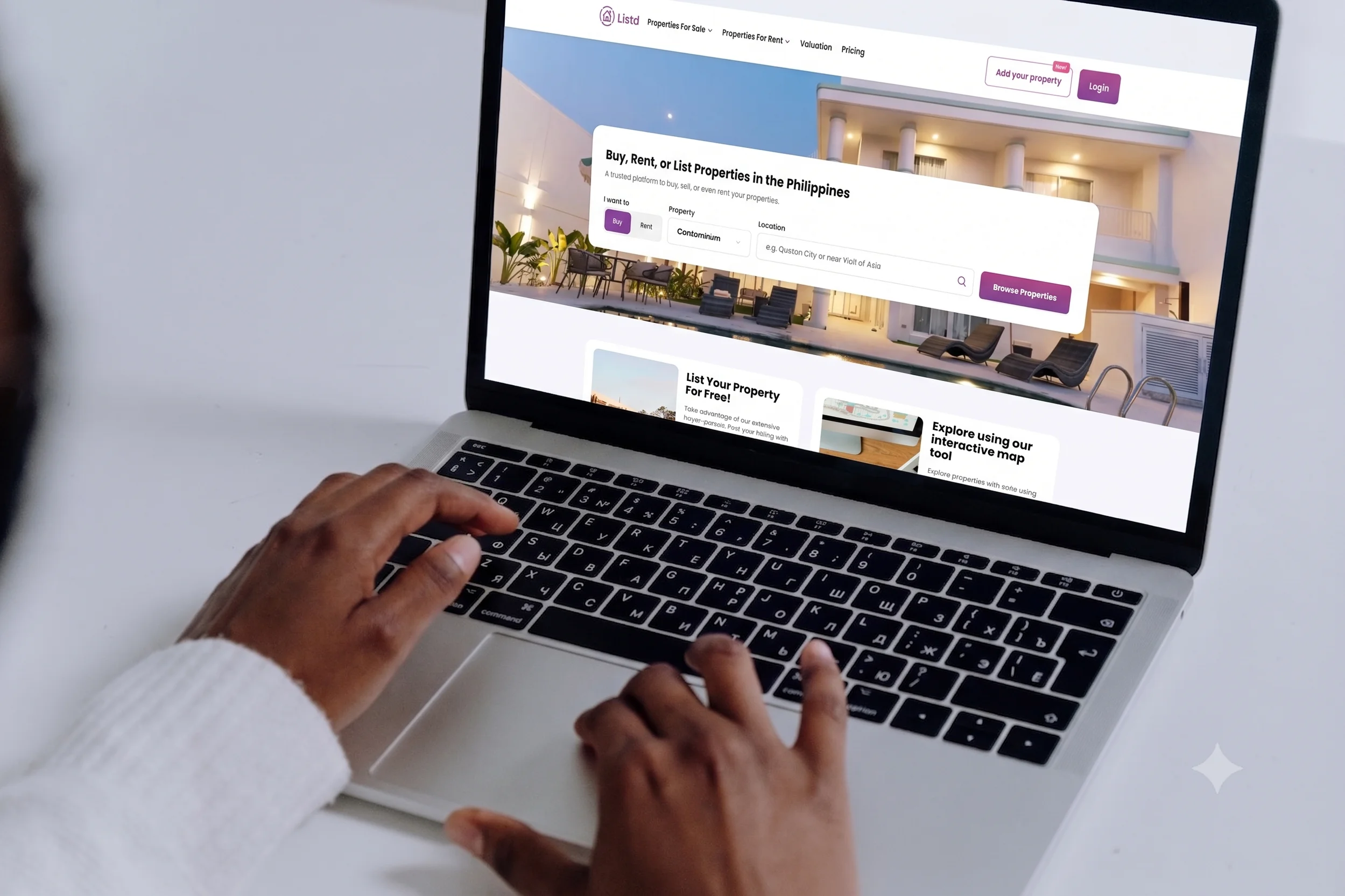
A great property can still sit on the market for months if the listing does not do its job. In a country where buyers scroll through hundreds of condos, houses, and lots online before ever booking a viewing, your listing is your first — and sometimes only — pitch. Whether you are a broker managing dozens of properties or a homeowner selling on your own, knowing how to write a real estate listing that actually converts is one of the highest-leverage skills you can build.
Here is a practical, Philippine-specific guide to writing listings that get inquiries and close faster.
Why Your Listing Copy Matters More Than You Think
Filipino buyers today are digital-first. They compare properties on portals, Facebook, and marketplaces long before they contact an agent. With limited time and thousands of listings to choose from, buyers move on the moment something looks unclear, incomplete, or unappealing.
The data backs this up: listings with professional photography sell up to 32% faster, and certain descriptive words measurably lift sale prices. A well-written listing does three things at once — it earns the click, builds enough trust to prompt an inquiry, and pre-qualifies serious buyers so you waste less time on dead-end leads.
Step 1: Nail the Headline
Your headline is the hook. Keep it to 10 words or fewer and lead with what makes the property worth clicking. Combine the property type, a standout feature, and the location — because in the Philippines, location keywords are exactly how buyers search.
Weak: "Condo for sale"
Strong: "Renovated 2BR Condo in BGC with Skyline View"
Notice how the strong version signals value (renovated, view), matches search behavior (2BR, BGC), and paints a picture in a few words. Think about the exact phrases your buyer types into a search bar — "condo for sale BGC," "house and lot Cavite," "rent to own Quezon City" — and work them in naturally.
Step 2: Open With a Compelling First Line
After the headline, your opening sentence decides whether the reader keeps going. Skip the generic "This beautiful property is now available." Instead, lead with the single most desirable thing about the home.
For example: "Wake up to unobstructed Manila Bay sunsets from this fully furnished 1BR unit, just five minutes from the MOA complex." You have immediately given the buyer a feeling and a practical benefit in one line.
Step 3: Tell the Property's Story With Sensory Language
The body of your listing should help buyers imagine living there. Replace flat, factual phrases with specific, sensory descriptions:
Instead of "big living room," write "a sunlit, open-plan living area that easily fits a family gathering."
Instead of "near malls," write "a five-minute walk to Ayala Malls, with cafés and groceries at your doorstep."
Instead of "with parking," write "a dedicated covered parking slot with title, so you never circle for space."
Research on listing language shows that emotionally rich, specific words move properties. Homes described as "luxurious," "captivating," or featuring terms like "upgraded," "landscaped," and "remodeled" consistently outperform expectations. Paint the picture — but keep it honest.
Step 4: Give Complete, Accurate Details
Filipino buyers want the full picture before they reach out. Missing information is one of the top reasons a listing gets skipped. Always include:
Property type and size (floor area, lot area, number of bedrooms and bathrooms)
Location specifics — city, barangay or subdivision, and nearby landmarks, schools, hospitals, and transport
Price and payment terms — including whether financing, Pag-IBIG, or in-house payment options are accepted
Turnover condition — bare, semi-furnished, or fully furnished
Extras — parking, storage, association dues, and title status (Clean TCT/CCT, tax declaration, etc.)
Transparency builds trust. Buyers who feel informed are far more likely to inquire — and the ones who do are better qualified.
Step 5: Words to Use — and Words to Avoid
Certain words quietly sabotage your listing. Steer clear of "red flag" phrases like "motivated seller," "must sell," "rush," or "bargain." These signal desperation and invite lowball offers. Words like "fixer," "TLC," and "potential" also underwhelm buyers who are scanning for quality.
Instead, lean on concrete, value-signaling words: "upgraded," "well-maintained," "move-in ready," "flood-free," and specific brand or material names where relevant (e.g., "granite countertops," "hardwood flooring").
Step 6: Let Your Photos Do Half the Selling
No amount of clever copy overcomes bad photos. In the Philippine market, unflattering or dim images are an instant scroll-past. To maximize impact:
Use bright, high-resolution photos — invest in a professional shoot for higher-value listings.
Arrange images in the order a visitor would walk through the home, so buyers can tour it mentally.
Lead with your strongest shot — usually the façade, living area, or view.
Add short captions so buyers know exactly what they are looking at.
Include a floor plan and a location map whenever possible.
Step 7: End With a Clear Call to Action
Never leave the buyer wondering what to do next. Close every listing with a direct, specific instruction: "Message us today to schedule a viewing this weekend" or "Reserve your unit now — limited slots available for this turnover schedule." A clear CTA turns passive interest into a booked appointment.
Common Mistakes to Skip
Keyword stuffing: Repeating "condo for sale Manila condo for sale Manila" reads as spam and hurts trust.
ALL CAPS and emoji overload: A few emphasis points are fine; a wall of shouting is not.
Copy-paste listings: Recycling the same description across different units makes every property forgettable.
Outdated details: Update price, availability, and status promptly — nothing frustrates a buyer more than inquiring about a sold unit.
Put It All Together
A listing that sells is really just clear thinking made visible: a sharp headline, an inviting opening, honest and vivid details, strong photos, and a confident call to action. Master this and you will spend less time chasing leads and more time closing them.
Ready to put your property in front of serious Philippine buyers? List your property on Listd.ph and reach the buyers actively searching for homes like yours — or browse thousands of listings to see what great copy looks like in action.
About the Author


Enjoyed this article? Share it with others.
Latest Posts

How to Verify a Land Title in the Philippines: A Buyer's Step-by-Step Guide
Learn how to verify a land title in the Philippines, spot fake or doubled titles, and get a Certified True Copy from the Registry of Deeds before you buy.

BIR eCAR in the Philippines: What It Is and How to Get One
What the BIR eCAR is, the documents you need, taxes to pay, and the step-by-step process to transfer a property title in the Philippines without delays.

Should You Buy a Condo Parking Slot in the Philippines? Costs, Title Rules, and What to Check
Should you buy a condo parking slot in the Philippines? Learn the real costs, separate CCT title rules, and what to check before you pay.
Rental Yield in the Philippines: How to Calculate and Compare Across Submarkets
Learn how to calculate rental yield in the Philippines and compare 2026 returns across BGC, Makati, Quezon City, and Bay Area submarkets.
Stay Updated on Market Trends
Get the latest real estate insights, investment tips, and market analysis delivered to your inbox every week.
Join 10,000+ subscribers. No spam, unsubscribe anytime.