Rent to Own House Philippines: The Complete Guide

Owning a home in the Philippines feels out of reach for a lot of people — and the down payment is usually why. Coming up with 10% to 20% of a property's price all at once is a big ask, especially when you're renting, supporting family, or still building savings.
That's exactly where rent to own comes in. Over the past year, it's quietly become one of the most searched real estate terms in the Philippines — and for good reason. With 30,000+ unsold ready-for-occupancy condo units sitting in Metro Manila alone, developers are more motivated than ever to offer flexible payment schemes that get buyers into homes faster.
This guide covers everything you need to know: how rent to own works in the Philippines, what the real costs look like, the risks to watch out for, and how to find legitimate deals right now.
What Is Rent to Own and How Does It Work?
Rent to own (sometimes called lease to own or lease purchase) is an arrangement where you rent a property for a set period — usually one to five years — while a portion of your monthly payment goes toward the eventual purchase price.
At the end of the rental period, you have the right (and in some schemes, the obligation) to buy the property, typically at a price agreed upon at the start of the contract.
In the Philippines, rent to own schemes come in two main forms:
Developer rent to own — offered directly by property developers as a way to move inventory. These are the most common in the current market, especially for condominiums. A portion of your monthly rent is credited toward the purchase price, and at the end of the rental term, you complete the balance through a bank loan or Pag-IBIG.
Private seller rent to own — arranged directly between a buyer and a private property owner. These deals can be more flexible but carry more legal risk if not properly documented.
Most Filipinos searching for rent to own right now are looking at developer programs — and that's what this guide focuses on.
How Much Do You Actually Pay?
Here's a simplified example of how a typical developer rent-to-own scheme works:
Property: 2-bedroom condo in Cavite Agreed purchase price: ₱3,500,000 Rental period: 3 years Monthly rent: ₱18,000 Credit toward purchase: 30% of monthly rent (₱5,400/month)
After 3 years:
Total rent paid: ₱648,000
Amount credited toward purchase: ₱194,400
Remaining balance: ₱3,305,600 (to be financed via bank or Pag-IBIG)
The key number to understand: only a portion of your rent builds equity. The rest is essentially the cost of living in the property while you get your financing sorted.
This is still a much lower barrier than coming up with ₱350,000–₱700,000 upfront as a traditional down payment.
The 4 Big Benefits of Rent to Own
1. Lower entry cost You move in with a fraction of what a traditional purchase requires. Many schemes require only one to three months' advance and deposit — the same as a regular rental.
2. Time to sort your financing If you're not yet eligible for a bank loan or Pag-IBIG housing loan today, the rental period gives you time to build your credit history, increase your income, and strengthen your loan application.
3. You lock in today's price The purchase price is agreed at the start of the contract. If property values in your area rise during the rental period — which is happening across Metro Manila's fringes, Cavite, Laguna, and Cebu right now — you buy at the old price.
4. You live in the property before committing You get to experience the building, the neighbors, the commute, and the management before signing a 20-year mortgage. That's a form of due diligence most buyers don't get.
The Risks You Need to Know Before Signing
Rent to own is genuinely useful — but it's not without traps, especially in the Philippines where contracts are not always written in favor of the buyer.
1. Your monthly rent is not all building equity
As shown in the example above, only a portion of your rent credit toward the purchase. The rest is income for the developer or seller. Always ask: "How much of my monthly payment actually credits toward the price?"
2. What happens if you decide not to buy?
Some contracts specify that if you walk away at the end of the rental term, you forfeit everything — including the credited amounts. Read the contract carefully for what's called the "option to purchase" and whether it's truly optional or effectively obligatory.
3. Balloon payments at the end
At the end of the rental term, you'll typically need to secure financing for the remaining balance. If your bank loan application is rejected at that point, you could lose your credited payments and the property. Start your Pag-IBIG or bank pre-qualification process at least 12 months before your rental term ends.
4. Developer risk on pre-selling properties
If you're renting a property that isn't built yet (pre-selling rent to own), you carry the risk of construction delays or, in worst cases, a developer that goes under. Stick to reputable developers with a completed project track record.
5. Contract terms vary widely
There is no standard rent-to-own contract in the Philippines. Every developer writes their own. Have a real estate lawyer review any contract before you sign — the ₱3,000–₱8,000 you'll pay is nothing compared to the downside of a bad deal.
Who Is Rent to Own Best For?
Rent to own makes the most sense if you match one of these profiles:
The income-stable renter — You've been renting for years, paying someone else's mortgage, and you have stable income but haven't saved enough for a down payment. Rent to own lets you redirect that rent money toward ownership.
The OFW family — A family member abroad is remitting money monthly, and you want to start building toward homeownership now without disrupting the family's cash flow. Rent-to-own monthly payments are often similar to typical rental rates.
The young professional — You're two to three years into your career, your income is growing, but your credit history isn't long enough yet for the best loan terms. The rental period is your runway to get there.
The relocating buyer — You're moving to a new city (Cebu, Davao, Iloilo) and you want to live in an area before fully committing to buying there.
Rent to Own vs. Pag-IBIG Loan: Which Should You Choose?
Both paths lead to homeownership — but they suit different situations.
Rent to Own
Pag-IBIG Loan
Best for
Buyers not yet loan-ready
Buyers ready to borrow now
Down payment needed
Low to none upfront
10–20% of property price
Monthly cost
Rental rate + premium
Amortization starts immediately
Price lock
Yes — fixed at contract start
No — market price at purchase
Equity building
Slow (partial rent credit)
Fast (full amortization builds equity)
Risk
Walk-away terms, balloon payment
Foreclosure if you miss payments
If you're Pag-IBIG eligible and have the down payment, a direct Pag-IBIG housing loan will almost always be cheaper over the full loan term. Rent to own is the right choice when you need the bridge period — not as a permanent substitute for conventional financing.
Where to Find Legitimate Rent to Own Properties in 2026
The best rent-to-own deals right now are concentrated in:
Metro Manila fringes — Cavite, Laguna, Bulacan, and Rizal. These areas have the most developer inventory and the most motivated sellers. Expect townhouses and house-and-lot packages priced between ₱2M–₱5M with flexible schemes.
Metro Manila condos — With 30,000+ unsold RFO condo units, developers are offering rent-to-own as a way to convert reluctant buyers. BGC, Pasig, Mandaluyong, and Quezon City have active programs.
Cebu — Especially in areas near IT Park and the South Road Properties. Cebu's strong BPO job market makes it a logical place to buy, and developers are competing aggressively on payment terms.
What to look for when browsing listings:
Properties tagged "RFO" (ready for occupancy) — you can move in immediately
Developer programs with at least 30% rent credit toward the purchase price
Clear contract terms on what happens at the end of the rental period
Established developer with a track record of completed projects
5 Questions to Ask Before Signing Any Rent to Own Contract
How much of my monthly payment credits toward the purchase price? (Get a specific peso amount, not a percentage)
What is the agreed purchase price, and is it fixed for the entire rental term?
What happens to my credited payments if I decide not to buy?
What financing options will be available to me at the end of the rental term?
Is the property fully registered under the developer's name with a clean title? (Ask to see the TCT or CCT)
Ready to Start Looking?
The rent-to-own market in 2026 is the most favorable it's been for buyers in years. Developers are motivated, inventory is high, and payment schemes are more creative than ever.
The best move right now is to browse available properties in your target area, shortlist 3–5 that match your budget, then talk to the developer's sales team about their specific rent-to-own terms before engaging a lawyer.
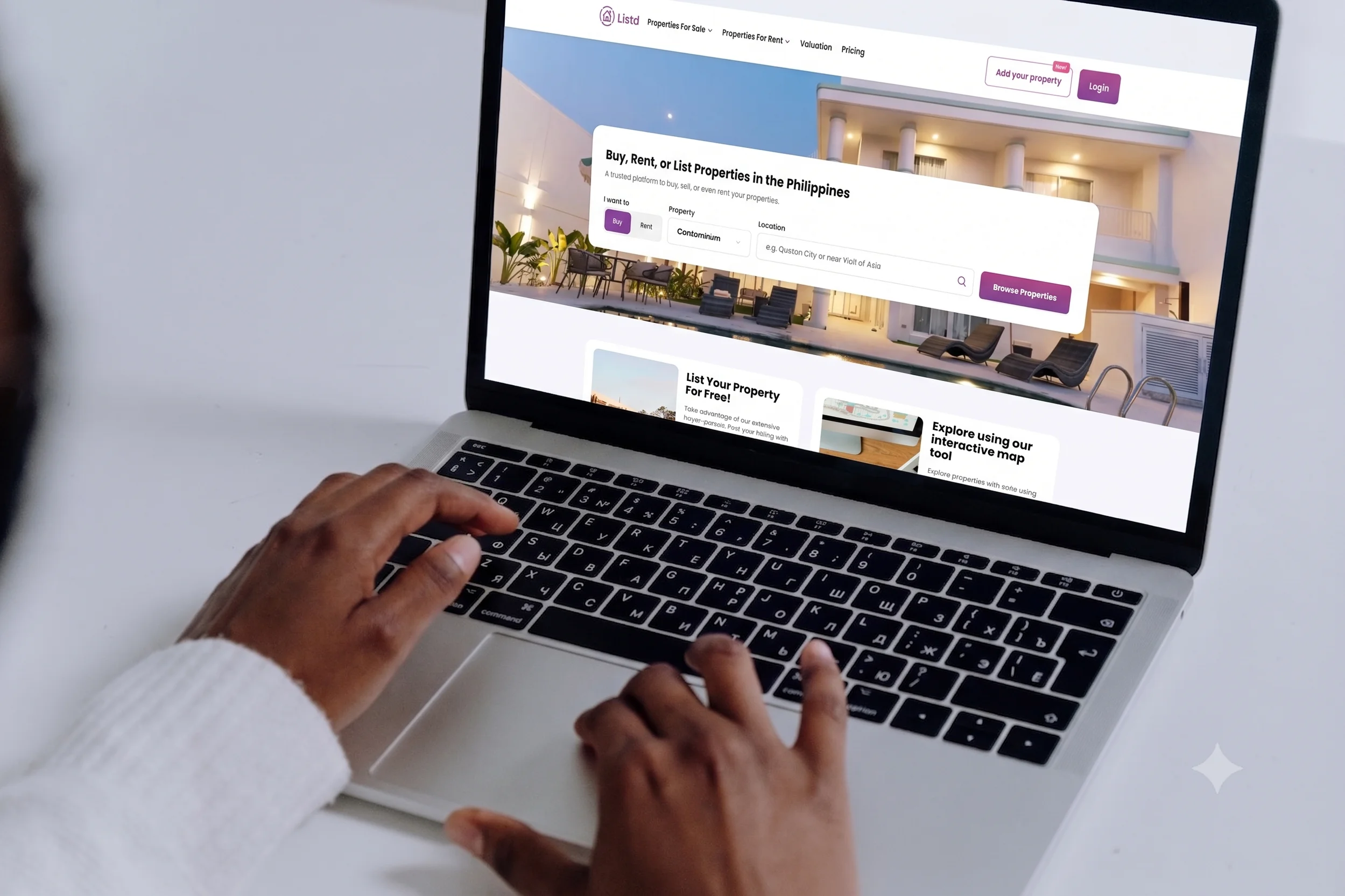
Browse rent-to-own properties in your city on Listd → Search house and lot for sale in Cavite · Search condos in Metro Manila · Search properties in Cebu
About the Author


Enjoyed this article? Share it with others.
Latest Posts

How to Buy Agricultural Land in the Philippines: A Complete Buyer's Guide
Thinking of buying farm land in the Philippines? Learn DAR rules, CLOA title risks, land conversion, and the buyer due diligence steps that protect your money.
How to Write a Real Estate Listing That Sells in the Philippines
Learn how to write a property listing that sells fast in the Philippines — headlines, descriptions, photos, and CTAs that turn casual browsers into buyers.

How to Verify a Land Title in the Philippines: A Buyer's Step-by-Step Guide
Learn how to verify a land title in the Philippines, spot fake or doubled titles, and get a Certified True Copy from the Registry of Deeds before you buy.

BIR eCAR in the Philippines: What It Is and How to Get One
What the BIR eCAR is, the documents you need, taxes to pay, and the step-by-step process to transfer a property title in the Philippines without delays.

Should You Buy a Condo Parking Slot in the Philippines? Costs, Title Rules, and What to Check
Should you buy a condo parking slot in the Philippines? Learn the real costs, separate CCT title rules, and what to check before you pay.
Stay Updated on Market Trends
Get the latest real estate insights, investment tips, and market analysis delivered to your inbox every week.
Join 10,000+ subscribers. No spam, unsubscribe anytime.