How to Buy Agricultural Land in the Philippines: A Complete Buyer's Guide
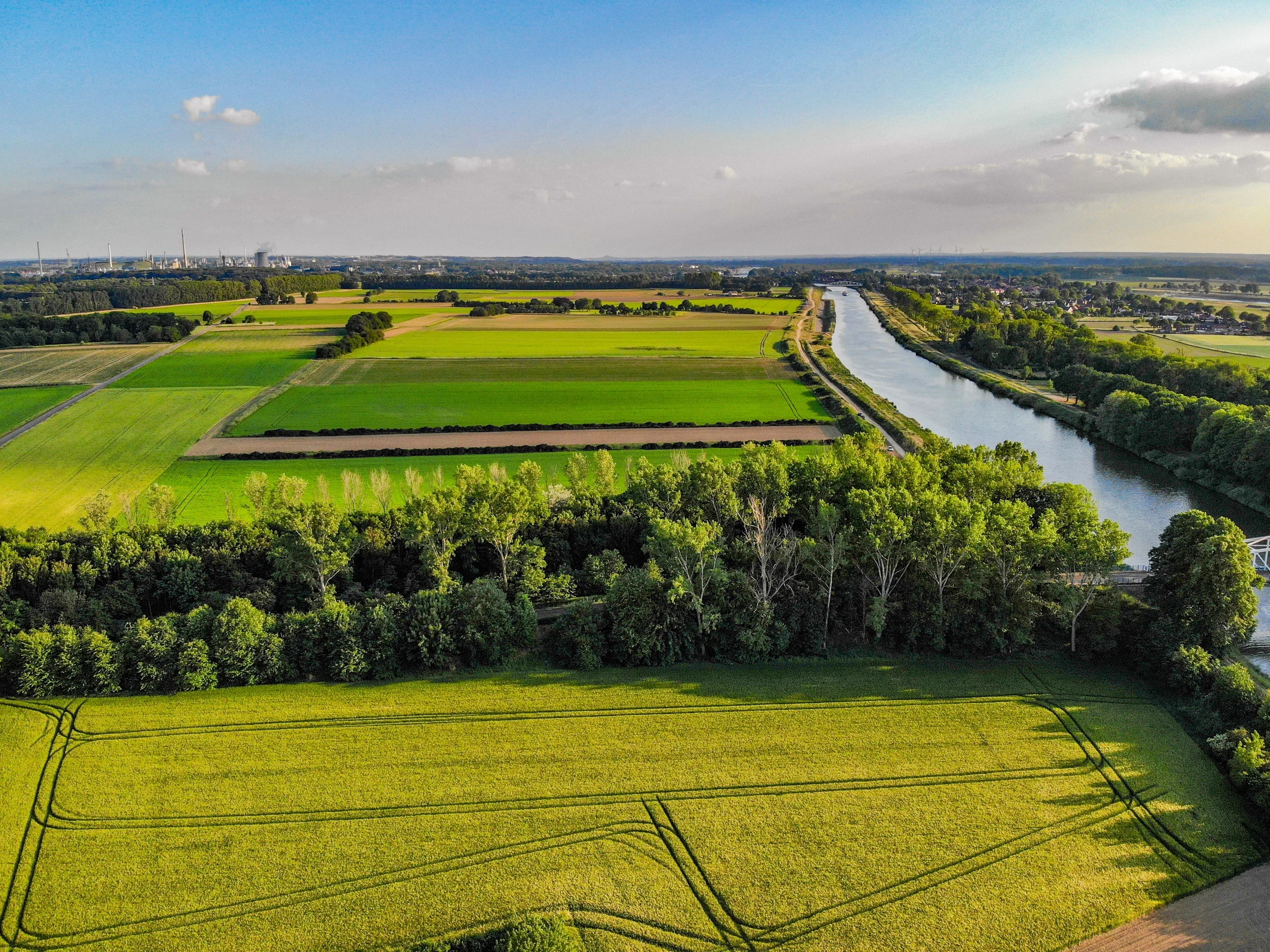
Farm lots have quietly become one of the most searched property types in the Philippines. Rising land prices in the metro, the pull of agri-tourism, and the dream of a weekend farm or future retirement homestead have pushed more Filipinos to look beyond the city for a piece of land they can actually afford. Listings in provinces like Batangas, Cavite, Pampanga, and Cebu now sell for as little as ₱120 to ₱3,500 per square meter, depending on location and road access.
But agricultural land is not the same as a residential lot. It comes with its own layer of laws, government agencies, and title types that can turn a "great deal" into a legal nightmare. Here's what you need to know before you buy.
Why Agricultural Land Is Different
In the Philippines, agricultural land is governed primarily by the Comprehensive Agrarian Reform Program (CARP) under Republic Act 6657, as amended by RA 9700. This is the law that redistributed farmland to tenant-farmers and it still shapes what can and cannot be sold today.
Two rules matter most for buyers:
The five-hectare retention limit. A landowner can only keep up to five hectares of agricultural land. Anything above that may have been (or can still be) placed under CARP coverage and redistributed to beneficiaries.
DAR clearance is mandatory. Any sale, transfer, or disposition of agricultural land generally requires a clearance or certification from the Department of Agrarian Reform (DAR) — even years after CARP's main acquisition phase ended. A sale done without the required DAR clearance can be challenged and, in some cases, declared null and void.
The takeaway: even if the seller's name is on the title, the deal can still collapse if it skips DAR or tries to sidestep CARP limits.
Know Your Title Type Before Anything Else
The single most important due-diligence step is identifying what kind of title the land carries.
Original/Transfer Certificate of Title (OCT/TCT). The cleanest scenario — private agricultural land with a regular Torrens title, ideally five hectares or below, which is generally exempt from compulsory CARP acquisition.
Certificate of Land Ownership Award (CLOA). This title was awarded to an agrarian reform beneficiary. CLOA land is usually cheaper, but it comes with a 10-year prohibition on sale or transfer (except to the government, the LBP, or through hereditary succession), and any transfer needs DAR approval. Many "cheap farm lots" advertised online are CLOA properties sold through informal "Waiver of Rights" arrangements — a major red flag.
Tax declaration only (untitled). Some farm lots are sold with only a tax declaration and no Torrens title. These carry the highest risk and require far deeper investigation before you part with any money.
If the title is a CLOA still within its restriction period, walk away — no matter how attractive the price.
Can Foreigners Buy Agricultural Land?
No. The Philippine Constitution reserves land ownership for Filipino citizens and corporations that are at least 60% Filipino-owned. This applies to agricultural land as well. Foreigners may lease land long-term or own it through a qualified corporation, but they cannot hold direct title as individuals.
Understanding Land Conversion
Many buyers purchase farm land hoping to eventually build a house, resort, or subdivision on it. That requires land use conversion — a formal process, not just a change of mind.
Here's how it works:
The local government unit (LGU) must first reclassify the land for non-agricultural use under its Comprehensive Land Use Plan (CLUP) and zoning ordinance.
You then apply for conversion with DAR, supported by certifications that the land is no longer economically viable for agriculture (or that the area has become highly urbanized), plus environmental clearance from the DENR.
For individual applicants, conversion is generally limited to five hectares, and land under a Notice of Coverage or with ongoing agrarian disputes cannot be converted at all.
One critical 2026 note: the Department of Agriculture imposed a moratorium on land conversion certifications earlier this year (via Department Circular No. 1) to protect farmland, with only renewable energy and government socialized housing projects exempted. If your entire investment thesis depends on converting farm land to residential use, confirm the current status of this moratorium with DAR and the DA before you buy — timelines can shift.
Your Agricultural Land Due Diligence Checklist
Before you sign anything, verify the following:
Get a certified true copy of the title from the Registry of Deeds and confirm it matches the seller's ID.
Confirm the title type (TCT vs. CLOA) and check for any 10-year CLOA restriction.
Secure DAR clearance/certification that the land can be legally sold.
Check for a Notice of Coverage or pending agrarian disputes at the DAR municipal office.
Verify the tax declaration and real property tax payments are current at the Assessor's and Treasurer's offices.
Have the land relocated and surveyed by a licensed geodetic engineer to confirm actual boundaries and area.
Check the LGU zoning classification if you plan to build or convert.
Ask the barangay about tenants, occupants, or existing farmworkers who may have rights over the land.
Costs Beyond the Purchase Price
Budget for the same transaction taxes that apply to any property sale: capital gains tax (6%), documentary stamp tax (1.5%), transfer tax, and registration fees. If the land is being converted, add conversion application fees and development costs. Untitled land may also require the cost and time of a judicial or administrative titling process.
The Bottom Line
Agricultural land can be a genuinely smart, affordable entry point into Philippine real estate — for a homestead, an agri-tourism venture, or a long-term hold in the path of growth. But it rewards patience and punishes shortcuts. The cheapest listings are often cheap for a legal reason. Always verify the title type, secure DAR clearance, and consult a real estate lawyer or licensed broker before releasing payment.
Ready to explore what's available? Browse verified farm lots and agricultural properties on Listd.ph — or, if you're a seller or broker, list your land and connect with serious buyers today.
This article is for general information only and is not legal advice. Agrarian rules and conversion policies change; always confirm current requirements with the DAR and a qualified professional before buying.
About the Author


Enjoyed this article? Share it with others.
Latest Posts

How to Write a Real Estate Listing That Sells in the Philippines
Learn how to write a property listing that sells fast in the Philippines — headlines, descriptions, photos, and CTAs that turn casual browsers into buyers.

How to Verify a Land Title in the Philippines: A Buyer's Step-by-Step Guide
Learn how to verify a land title in the Philippines, spot fake or doubled titles, and get a Certified True Copy from the Registry of Deeds before you buy.

BIR eCAR in the Philippines: What It Is and How to Get One
What the BIR eCAR is, the documents you need, taxes to pay, and the step-by-step process to transfer a property title in the Philippines without delays.

Should You Buy a Condo Parking Slot in the Philippines? Costs, Title Rules, and What to Check
Should you buy a condo parking slot in the Philippines? Learn the real costs, separate CCT title rules, and what to check before you pay.
Stay Updated on Market Trends
Get the latest real estate insights, investment tips, and market analysis delivered to your inbox every week.
Join 10,000+ subscribers. No spam, unsubscribe anytime.