Property Insurance in the Philippines: A Complete Guide for Homeowners and Condo Buyers

The Philippines sits at the heart of the Pacific Ring of Fire and the typhoon belt — a geography that makes it one of the most disaster-prone countries in the world. On average, 20 typhoons enter the Philippine Area of Responsibility every year, and the country experiences multiple earthquakes weekly. The World Bank estimates that severe storms alone cause around US$3.5 billion in average annual damage.
Yet a large majority of Filipino homeowners and condo buyers remain uninsured — or underinsured. The OECD flagged this protection gap in early 2026, formally urging the Philippine government to introduce mandatory home insurance to reduce the financial burden of natural disasters on households.
Whether you're buying your first home, investing in a condo, or just reviewing your current coverage, this guide breaks down everything you need to know about property insurance in the Philippines.
Why Property Insurance Matters More Than Ever
Most Filipinos assume that because their subdivision or condo building looks sturdy, they're protected. That's a dangerous assumption.
A standard structure can be totaled by a direct typhoon hit, damaged beyond repair by a 7.0-magnitude earthquake, or rendered uninhabitable by a single accidental fire. Without insurance, the full cost of rebuilding falls entirely on you.
The OECD's 2026 Economic Survey of the Philippines specifically cited that the frequency of super-typhoons affecting the country has risen by more than 100% over the past 20 years. Having the right property insurance in the Philippines isn't just financially smart. For many borrowers, it's also contractually required.
Types of Property Insurance in the Philippines
1. Fire Insurance (Basic Policy)
The most fundamental form of property insurance in the Philippines, fire insurance covers direct loss or damage to your property caused by fire and lightning. It's the baseline policy most lenders require and is regulated under the Insurance Code (R.A. 10607) by the Insurance Commission.
What's typically covered:
Fire and lightning damage
Explosion (non-industrial)
Impact damage from vehicles or aircraft
What's NOT covered under a basic fire policy:
Earthquakes and aftershocks
Typhoons, floods, storm surges
Robbery or theft
Acts of terrorism
2. Extended Coverage / Acts of Nature (EC/AON) Endorsement
This is the add-on that most Filipino homeowners should strongly consider. An extended coverage endorsement (also called an "Acts of Nature" or EQSA rider) expands your fire insurance to include:
Earthquake, including shock and tsunami (EQ)
Typhoon and flood damage (TY/FL)
Volcanic eruption
Broad water damage (burst pipes, tank overflow)
Riot, Strike, and Malicious Damage (RSMD)
For properties in areas like Metro Manila, Pampanga, Davao, and other earthquake-prone zones, the earthquake rider is not optional — it's essential.
3. Comprehensive Home Insurance / All-Risk Home Package
Major insurers like AXA Philippines, Malayan Insurance, BDO Insurance, and Prudential Guarantee offer all-in-one home insurance packages that combine fire, extended coverage, and additional protections such as:
Theft, robbery, and burglary
Accidental damage to appliances
Personal liability (if a visitor is injured on your property)
Alternative accommodation costs if your home becomes uninhabitable
Jewelry and valuables
Loss of rent income (for landlords)
4. Condo Insurance
Condominium units have a unique coverage structure. Your building's master policy (paid through monthly HOA dues) typically covers the building shell, common areas, and the structure itself. But it usually does not cover the interior of your individual unit — your walls, flooring, furniture, appliances, and personal belongings.
Products like AXA's Condo Security and PGA Sompo's CondoCARE cover:
Interior improvements and fixtures
Personal property inside the unit
Unit owner's personal liability
Acts of nature within the unit
If you own a condo, never assume the building's master policy protects your unit contents. It doesn't.
When Is Property Insurance Required in the Philippines?
Home Loans from Banks
If you're taking out a housing loan from a bank (BDO, BPI, Metrobank, Security Bank, RCBC, etc.), the lender will almost always require you to insure the mortgaged property for the duration of the loan. Failing to maintain active insurance is a breach of your loan agreement.
Pag-IBIG Housing Loans
All properties financed through a Pag-IBIG (HDMF) housing loan are automatically enrolled in the Fire and Allied Perils Insurance Program, which covers damage from fire, earthquake, flooding, and other natural disasters. The cost is bundled into your monthly amortization.
Note: Pag-IBIG also provides Mortgage Redemption Insurance (MRI) — this is a life insurance component, not property coverage — so don't confuse the two.
Even Without a Loan, You Need It
For properties purchased in cash, insurance is not legally mandated. But the risk exposure is even higher — there's no lender standing by to negotiate coverage for you. Cash buyers are on their own if disaster strikes.
How Much Does Property Insurance Cost in the Philippines?
Property insurance premiums are calculated based on:
Insured value of the property (reconstruction cost, not market price)
Property type (residential house, condo unit, mixed-use)
Construction materials (concrete vs. wood vs. mixed)
Location and disaster risk exposure (flood zone, earthquake fault proximity)
Coverage scope (basic fire vs. all-risk package)
General benchmarks:
Coverage | Approximate Annual Premium |
|---|---|
Basic fire insurance (₱1M coverage) | ₱1,000–₱2,000/year |
Fire + Acts of Nature (₱1M coverage) | ₱2,000–₱4,500/year |
Comprehensive home package (₱2M coverage) | ₱4,000–₱8,000/year |
Condo all-risk package (₱1M coverage) | ₱1,500–₱3,500/year |
Figures are approximate and vary by insurer and property details.
The minimum insurable value for property in the Philippines is ₱500,000. At roughly ₱100–₱200 per month for basic coverage, property insurance is one of the most affordable risk management tools available to homeowners.
Key Providers of Property Insurance in the Philippines
AXA Philippines — Home Security and Condo Security packages with Acts of Nature coverage
Malayan Insurance — Home Protect plan; one of the largest non-life insurers in the country
Prudential Guarantee and Assurance — Property insurance for homeowners and investors
Etiqa Philippines — Residential fire insurance with flexible terms
BDO Insurance / BPI MS Insurance — Bank-affiliated policies
PGA Sompo — Specialized condo insurance (CondoCARE)
AIG Philippines — Commercial and residential property coverage
The Insurance Commission (IC), the government regulator, provides a list of all licensed non-life insurance companies on its website at insurance.gov.ph. Always verify that your insurer is IC-licensed before signing up.
Tips for Getting the Right Property Insurance Policy
Insure the reconstruction cost, not the market value. Your market value includes land, which insurance doesn't cover. You only need to insure the cost of rebuilding the structure.
Always add Acts of Nature coverage. In the Philippines, Acts of Nature coverage is not included in a standard fire policy. Add the EQSA rider — which most of the Philippines needs.
Read the exclusions carefully. Most policies exclude losses caused by flooding if you're in a high-risk flood zone without a specific flood rider. If your property is near a waterway, ask your insurer specifically about flood coverage.
Conduct a proper valuation. Underinsuring your property to save on premiums is a false economy. If you insure a ₱5 million home for ₱2 million and it burns down, you'll only recover ₱2 million.
Review your coverage annually. Construction costs go up. If you've renovated or expanded your home, update your insured value to reflect the increased replacement cost.
Compare at least three insurers. Premiums and policy terms vary significantly. Use independent brokers or comparison platforms to shop around before committing.
What the OECD Recommendation Means for Filipino Property Owners
In February 2026, the OECD formally recommended that the Philippine government introduce mandatory home insurance as part of a broader push to close the country's natural disaster protection gap. The OECD noted that only a small fraction of Filipino households currently carry any form of home insurance.
While the Philippine government has yet to enact mandatory requirements at the residential level, the OECD's call signals a likely policy direction — and it's worth getting ahead of it. The Philippine property insurance market is projected to grow at an 11.5% CAGR through 2030, which means premiums are competitive now.
Final Thoughts
Property insurance in the Philippines is not just paperwork — it's the financial safety net between a natural disaster and complete financial ruin. For a country that faces 20 typhoons a year and sits on one of the most seismically active zones on Earth, leaving your home uninsured is an unnecessary risk.
Ready to take the next step in protecting your property investment? Browse listings, compare property values, and connect with trusted real estate professionals on Listd.ph — the Philippines' AI-powered property discovery platform.
About the Author


Enjoyed this article? Share it with others.
Latest Posts

Conjugal Property in the Philippines: What Married Couples Must Know Before Buying or Selling
Conjugal vs. exclusive property and the spousal consent rule explained—what married couples must know before buying or selling real estate in the Philippines.
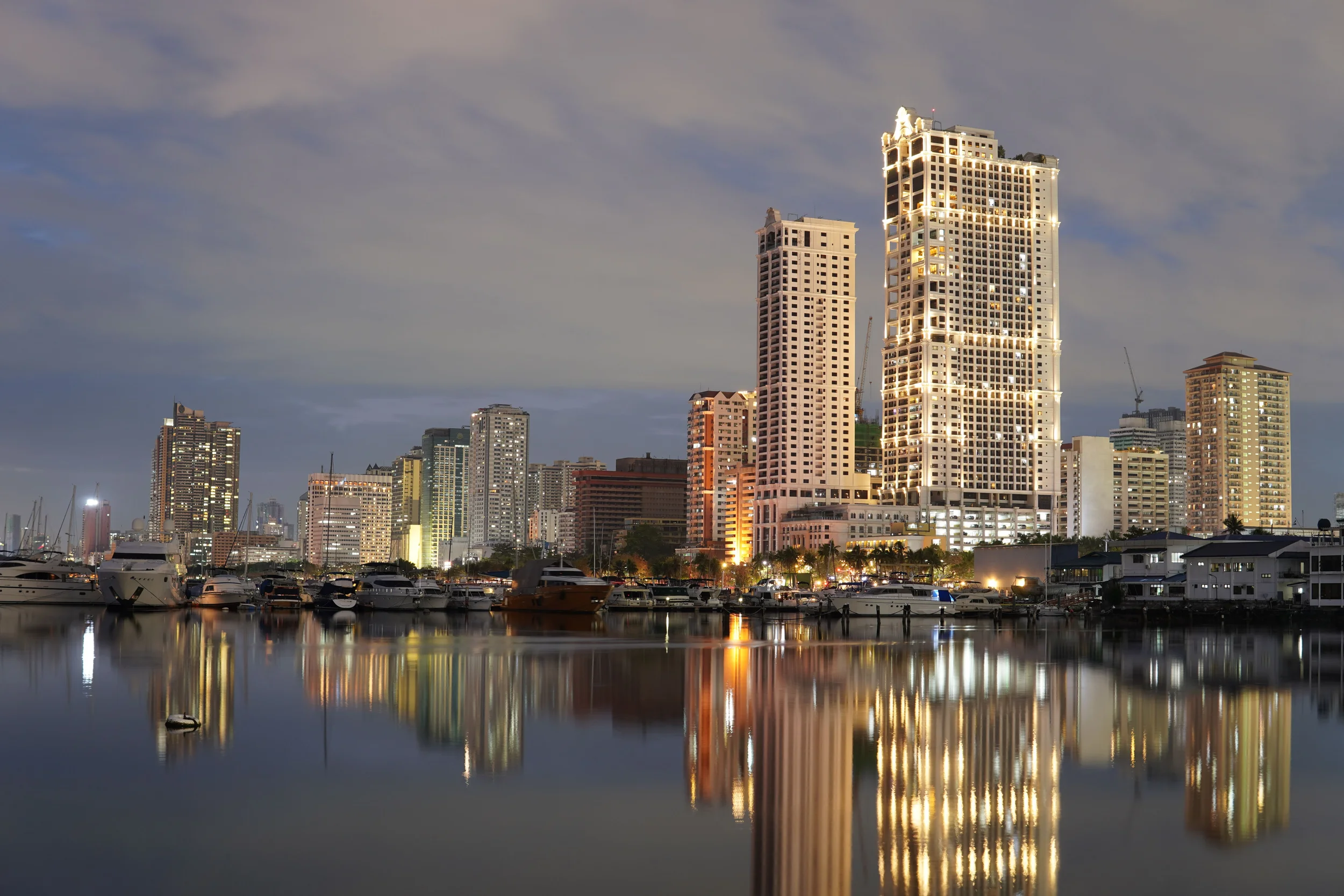
Is the Bay Area Manila Worth Buying Into? A Data-Driven Analysis (1Q 2026)
Savills 1Q 2026 data shows Bay Area office vacancy at 39.3% — and getting worse. Is Pasay still worth buying into? A data-driven analysis.

How to Refinance a Housing Loan in the Philippines: A Complete Guide to Lowering Your Monthly Payment
Learn how to refinance your housing loan in the Philippines, when it's worth it, what it costs, and how to compute your real savings before switching lenders.

How to Transfer Property Title in the Philippines: A Step-by-Step Guide
Step-by-step guide to transferring property title in the Philippines — BIR, Registry of Deeds, taxes, fees, and timelines explained.
Stay Updated on Market Trends
Get the latest real estate insights, investment tips, and market analysis delivered to your inbox every week.
Join 10,000+ subscribers. No spam, unsubscribe anytime.