Townhouse vs. Single-Attached House in the Philippines: Which Is Right for You?
When most Filipinos picture their dream home, they imagine a house with a bit of outdoor space, a gate, and room for the family to grow. But in today's Philippine property market — especially in and around Metro Manila — two formats dominate that dream: the townhouse and the single-attached house.
At first glance, they look similar. Both are multi-story residential homes. Both sit on land you own. But the differences in layout, cost, privacy, and long-term flexibility are significant enough to affect your daily life for decades. This guide breaks it down clearly.
What Is a Townhouse?
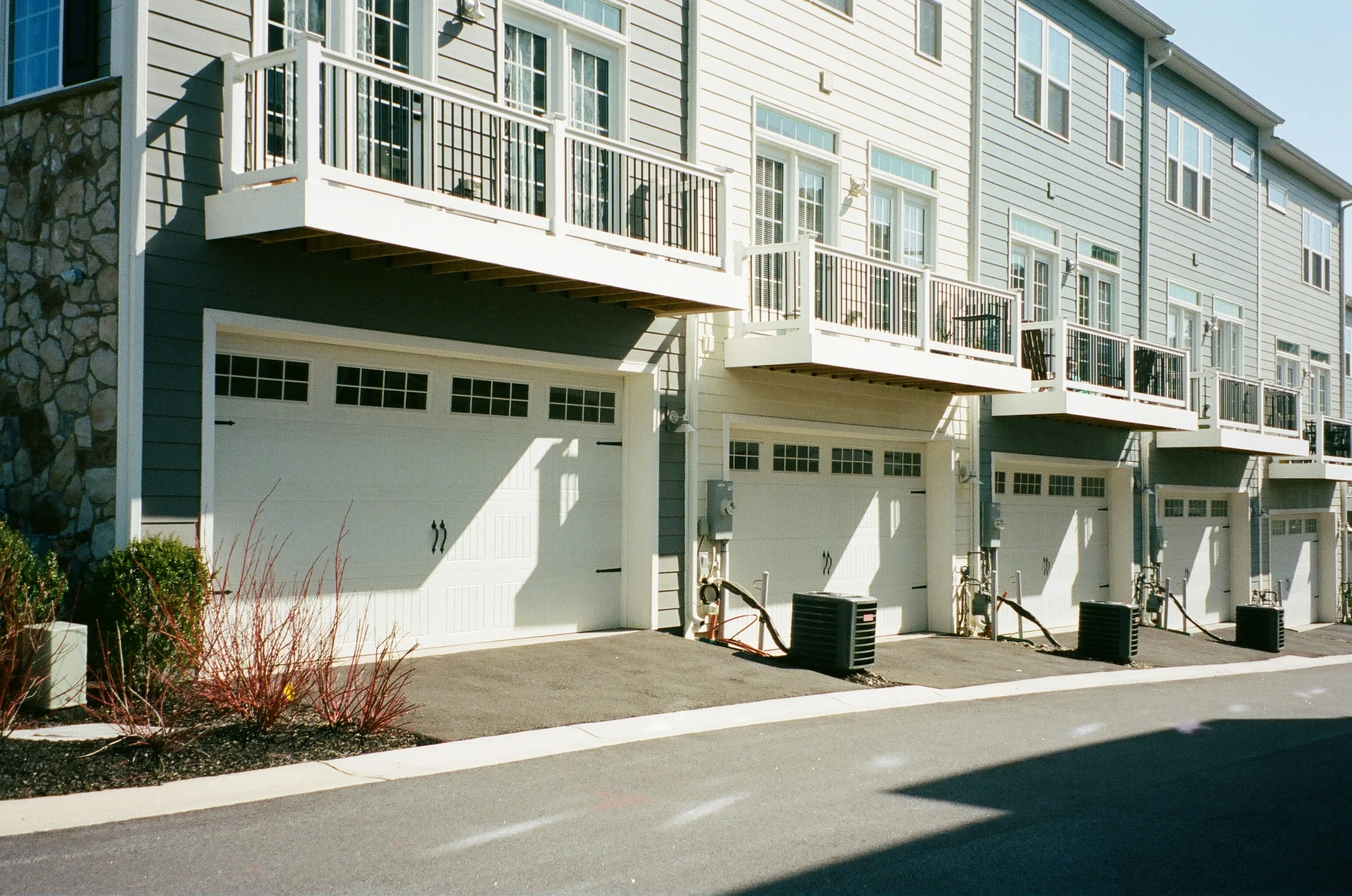
A townhouse is a multi-level home that shares at least one wall with an adjacent unit. They are typically built in a row within a gated development. Each unit has its own entrance and a small front or back yard — but the walls on the sides (and sometimes the roof) are shared with neighbors.
Common features of Philippine townhouses:
2–4 storeys
Floor area: typically 60–120 sqm
Lot area: 30–60 sqm (small)
Shared party walls with adjacent units
Found in urban or near-urban locations
Priced from PHP 3M to PHP 10M+ depending on location
What Is a Single-Attached House?
A single-attached house (also called a semi-detached house) shares one wall with exactly one neighbor. Unlike a townhouse — which is sandwiched between units — a single-attached home has three exposed sides, giving it more natural light, better ventilation, and more windows on three walls.
Common features of Philippine single-attached houses:
1–3 storeys
Floor area: typically 80–150 sqm
Lot area: 80–150 sqm (more space)
Shares only one party wall
More commonly found in suburban subdivisions
Priced from PHP 3.5M to PHP 15M+ depending on location
Note: A single-detached house (no shared walls at all) is the premium option with the largest lot and maximum privacy — but also the highest price point.
Side-by-Side Comparison
Factor | Townhouse | Single-Attached House |
|---|---|---|
Shared walls | 2 (both sides) | 1 (one side) |
Privacy | Lower | Higher |
Natural light | Limited (interior units) | Better (3 exposed sides) |
Ventilation | Can be poor on middle floors | Better cross-ventilation possible |
Lot size | Small (30–60 sqm) | Larger (80–150 sqm) |
Floor area | Compact but multi-level | Comparable or slightly larger |
Outdoor space | Very limited | More yard space |
Location | Urban/near-urban | Suburban |
Price range | PHP 3M–10M | PHP 3.5M–15M |
HOA control | Often stricter | More flexibility |
1. Privacy and Noise
This is where the difference is most felt day-to-day.
In a townhouse, you share two walls with neighbors. In high-density developments with thin construction, this can mean hearing conversations, footsteps on upper floors, and late-night noise. Privacy in outdoor areas is also limited — neighbors are literally a wall away.
A single-attached house, sharing only one wall, has significantly better sound separation and a greater sense of personal space. The additional exposed sides also allow for windows on three walls, which helps with both natural light and cross-ventilation — especially important in the Philippine climate.
If you work from home, have young children, or simply value quiet, the single-attached home is the better choice.
2. Space and Layout
Both property types are multi-story. The key difference is how the lot area is used.
Townhouses are vertical by design. Because the lot is small, builders go up rather than out. You may have 3 floors with a bedroom on each level — which means climbing stairs constantly. For older family members or toddlers, this can become inconvenient over time.
Single-attached houses tend to have more usable ground-floor space. With a larger lot (80–150 sqm), the developer can spread the footprint across a wider ground floor, resulting in a more livable, single-level public area even if bedrooms are upstairs.
For families with children, elderly parents, or anyone who prefers horizontal living, the single-attached layout is generally more practical.
3. Location and Commute
Townhouses dominate near-urban areas — they're the housing type developers choose when land is expensive and they need to maximize units per plot. You'll find townhouse developments in Quezon City, Pasig, Marikina, Mandaluyong, and even within BGC and Alabang corridors.
Single-attached houses are more typical of suburban master-planned communities in Cavite, Laguna, Bulacan, Rizal, and Pampanga — where land is more affordable and developers have room to design wider lots.
If proximity to your Metro Manila workplace is non-negotiable, a townhouse may be the only affordable option in the right location. If you're open to a suburban commute (or working remotely), a single-attached home gives you more for your money.
4. Price and Value
In general, a townhouse and a single-attached house at similar price points will deliver very different living experiences depending on location.
A PHP 5M townhouse in Quezon City gives you urban convenience with compact space. A PHP 5M single-attached house in Cavite gives you a larger home on a bigger lot — but in a suburban setting with a longer commute.
For investment purposes, townhouses in prime urban locations tend to have stronger rental demand because renters prioritize proximity to work. Single-attached houses are harder to rent but offer stronger land appreciation over time in areas with rising infrastructure investment.
5. Long-Term Flexibility
What happens when your family grows and you need more space?
Townhouses are difficult to expand. The shared walls constrain horizontal expansion, and adding floors is structurally complex. What you see is largely what you get.
Single-attached houses offer more renovation flexibility. With three exposed sides and a larger lot, it's possible to add a garage, extend the ground floor into unused yard space, or enclose an open terrace. Over 10 to 15 years, this flexibility can significantly increase both livability and property value.
If you plan to own the property for more than a decade and expect your needs to change, a single-attached house offers more room to adapt.
Which Is Right for You?
Choose a townhouse if:
Your budget is PHP 3M–6M and you need to stay in Metro Manila
Your commute to work or your children's school is a top priority
You're an investor looking for a rentable urban asset
You're comfortable with compact, vertical living
Choose a single-attached house if:
You have a family or plan to start one
Privacy, natural light, and ventilation matter to you
You're open to suburban living, especially with remote or hybrid work
You want more flexibility to renovate and expand over time
Both options can be excellent investments — the key is matching the property type to your actual lifestyle and not just your aspirations.
Browse Listings on Listd.ph
Ready to compare real options? Use Listd.ph to search verified townhouse and house-and-lot listings across Metro Manila and key suburban areas.
About the Author

Enjoyed this article? Share it with others.
Latest Posts

Best Cities to Invest in Real Estate Outside Metro Manila in 2026
Looking beyond Metro Manila for your next property investment? Top Philippine cities offering strong capital appreciation, rental yields, and growth in 2026.

Living in Pasay City: A Complete Neighborhood Guide
Considering Pasay City for your next home? Explore its neighborhoods, property prices, commute options, schools, lifestyle, and what to watch out for.

Deed of Sale vs. Contract to Sell in the Philippines: What Every Property Buyer Should Know
What is the difference between a Deed of Sale and a Contract to Sell in the Philippines? Learn which document protects you better as a buyer and when each applies.

Living in Parañaque: A Complete Neighborhood Guide
Thinking of living in Parañaque? Discover the best neighborhoods, real estate prices, commute options, schools, malls, and lifestyle highlights in this guide.

Condo vs. House in the Philippines: Which Property Should You Buy?
Weighing a condo against a house and lot in the Philippines? Compare costs, space, location, investment potential, and lifestyle fit to make the right call.

PEZA-Accredited Buildings in the Philippines: What Property Buyers and Investors Need to Know
Discover what PEZA-accredited buildings are, their tax incentives under CREATE MORE, top locations in BGC, Makati & Cebu, and why they matter for real estate investors.

Living in BGC: A Complete Neighborhood Guide
Thinking of living in BGC? Discover everything about the Bonifacio Global City neighborhood—condo prices, schools, commute, dining, and prime real estate.

How to Evaluate a Property Developer in the Philippines Before You Buy
Buying a condo or house in the Philippines? Learn how to verify a developer's DHSUD license, check their track record, and spot red flags before signing.

Pag-IBIG Raises Housing Loan to P10M: What Buyers & Brokers Need to Know
Pag-IBIG Fund raised its housing loan ceiling to P10 million. Here's what the new rates, terms, and condo glut mean for Filipino homebuyers, brokers, and developers.

BGC Office Market 2026: What the Data Means for Condo Buyers Near Bonifacio Global City
Savills 1Q 2026 data shows BGC office vacancy at just 8.0%. Discover what tightening supply and rising rents mean for condo prices and investments near Bonifacio Global City.

Complete Guide to Taxes and Fees When Buying Property in the Philippines
Buying property in the Philippines? Learn the full breakdown of taxes, fees, and closing costs so you can budget accurately before you sign.

Real Estate Broker Lead Generation in the Philippines: Top Strategies for 2026
Discover proven lead generation strategies for real estate brokers in the Philippines. Attract more buyers and sellers with digital tools, AI platforms, and smart outreach tactics.

Condo HOA Fees in the Philippines: What's Covered, What's Not, and Your Rights as an Owner
Understand condo association dues in the Philippines — what's covered, rate ranges by area, your legal rights as an owner, and how to dispute illegal increases.

Commercial Space Checklist: What Top-Tier Tenants in Metro Manila Actually Demand
What do corporate tenants really want? From advanced EV charging to smart HVAC and bulletproof connectivity, discover the ultimate office space checklist for Metro Manila.

How to Spot Real Estate Scams in the Philippines: A Buyer's Protection Guide
Learn to protect yourself from property fraud in the Philippines — from fake titles to ghost projects. Includes step-by-step verification guides and legal remedies.

What the National Land Use Act Means for Property Buyers and Investors in the Philippines
The Philippines' National Land Use Act (NLUA) just passed the House. Here's what it means for buyers, investors, and developers in the property market.

Living in Mandaluyong: A Complete Neighborhood Guide
Explore our complete guide to living in Mandaluyong. Discover top neighborhoods, property prices, and lifestyle perks. Find your next home on Listd.ph!

Living in Alabang: A Complete Neighborhood Guide
Weighing a move to the south? Discover if living in Alabang is right for you with our data-driven guide to neighborhoods, schools, and property prices.

Capital Gains Tax in the Philippines: A Complete Guide for Property Sellers
Learn how capital gains tax works in the Philippines for property sellers - computation, exemptions, filing steps, and the full cost-of-selling breakdown.

Bank Housing Loan Philippines: A Complete Guide
Compare 2026 bank housing loan rates in the Philippines — BDO, BPI, Metrobank, and more. Find out which bank fits your profile and how to apply.

Living in Pasig City: A neighborhood and property guide
Weighing your Metro Manila options? Discover if living in Pasig City is right for you with our data-driven guide to neighborhoods, commutes, and property prices.

How to sell bare units faster with AI virtual staging
Help buyers see the potential of empty spaces. Learn how AI virtual staging allows brokers to transform bare units online while maintaining client trust.

Labor Day 2026: Securing the Filipino worker's dream of homeownership
Protect your hard-earned savings. This Labor Day, learn how Filipino workers can safely secure their dream home through the Pag-IBIG housing program.

When Supply Outpaces Demand: Navigating Metro Manila’s Condo Market in a High-Rate Environment
Protect your condo investment. Learn how to navigate Metro Manila's current oversupply and rising interest rates with strategic pricing and leasing options.

Condo pressures spur developer diversification
Navigate shifting market trends safely. Learn how current condo pressures are pushing Philippine developers to diversify and what it means for property buyers.

How to sell your property in the Philippines: A complete guide
Avoid costly surprises. Learn the step-by-step process of selling your property in the Philippines, from navigating seller taxes to safe title transfers.

A First-Time Homebuyer’s Guide to Buying Property in the Philippines
Buying your first home in the Philippines? Learn how to set a budget, choose between Pag-IBIG and bank loans, compute closing costs, and process your title.

Living in Makati: A Complete Neighborhood Guide
Thinking of living in Makati? Explore the best neighborhoods, average condo prices, commute tips, and lifestyle perks in the Philippines' financial capital.

Where to Buy a Vacation Home in the Philippines
Discover the top places to buy a vacation home in the Philippines. Compare actual prices, rental yields, and hidden property risks before you invest. Learn more.

TCT vs. CCT: What Every Filipino Property Buyer Should Know
Buying property in the Philippines? Learn the critical differences between a Transfer Certificate of Title (TCT) and a Condominium Certificate of Title (CCT) before you sign.

OFW Property Investment in the Philippines
Secure your hard-earned savings. Discover the safest ways for OFWs to invest in Philippine real estate, verify properties, and build a future back home.

Real Property Tax in the Philippines: Complete Guide
Learn everything about real property tax (amilyar) in the Philippines - how to compute it, when to pay, and how to avoid penalties.

Preselling vs. Ready-for-Occupancy Condo in the Philippines: Which Is Right for You?
Preselling vs. RFO condo: which is right for you? Discover the pros, cons, and legal protections every Philippine property buyer needs to know before signing.

Foreclosed Properties in the Philippines: A Buyer's Guide
Looking to buy foreclosed properties in the Philippines? Learn how to find, bid on, and buy bank-owned or Pag-IBIG foreclosures at below-market prices.

How to get an online property valuation report in the Philippines
Learn how to get an accurate online property valuation report in the Philippines. Discover the Listd.ph AI valuation tool to make confident real estate decisions.

Rental Property Investment: How to Evaluate a Property Before You Buy
Master your next rental property investment in the Philippines. Learn how to evaluate rental property, calculate yield, and run proper due diligence.

How to Choose the Right Property Manager (A Guide for First-Time Investors)
Not sure how to choose a property manager? This guide covers fees, screening, staff ratios, and communication standards to help first-time investors get it right.

Is It a Good Time to Buy Property in 2026? What the Market Is Telling Us
Thinking of buying property in 2026? Here's an honest look at interest rates, inventory levels, and market signals to help you decide if now is the right time.

The modern-day hero's guide to safe property investing in the Philippines
Protect your hard-earned remittances. Discover the safest way for OFWs to invest in Philippine real estate, avoid scams and verify developers with Listd.ph.

Rent to Own House Philippines: The Complete Guide
Everything you need to know about rent to own homes in the Philippines — how it works, what to watch out for, and how to find the best deals. Check it here.

PagIBIG Housing Loan Requirements for Self-Employed Applicants Checklist
Essential Pag-IBIG housing loan requirements. Learn how to prep your HLAF, valid IDs, and selfie for a faster application. Start your home journey now!

How to apply for a house loan through Pag-IBIG: A step-by-step guide
Turn your dream home into reality. Discover how the Pag-IBIG housing loan offers the most accessible path to homeownership in the Philippines. Learn more!

Cost of renting an apartment in the Philippines
Determining the cost of renting an apartment in the Philippines is complex. Navigate the rental market, move-in fees, and location variables confidently.

Cost of building a house in the Philippines
Learn the vital factors influencing your 2026 home construction budget in the Philippines. Gain insights on material costs, budgeting, and planning your ideal house.

Buying a House as an Unmarried Couple in the Philippines: A Safety Guide
Buying a house in the Philippines as an unmarried couple? Learn the essential legal differences (Article 147 vs 148), titling options, and 3 key steps to protect your investment. Secure your future home.

BIR Zonal Values in the Philippines 2026: The Essential Property Seeker's Guide
Avoid hidden property costs. Learn what BIR zonal values are, how to easily check them online, and how they impact your real estate taxes in the Philippines.

Condo for Sale in the Philippines: The Complete Buyer's Guide
Searching for a condo for sale in the Philippines? Discover 2026 prices, bank rates, hidden costs, the 50-year rule explained, and a step-by-step buying checklist.

The Ultimate House Buying Checklist: Don’t Buy a Home Without It
Buying a home in the Philippines? Master the process with our 6-phase checklist. From Pag-IBIG readiness to title transfers, ensure a safe and secure purchase.
Stay Updated on Market Trends
Get the latest real estate insights, investment tips, and market analysis delivered to your inbox every week.
Join 10,000+ subscribers. No spam, unsubscribe anytime.