Preselling vs. Ready-for-Occupancy Condo in the Philippines: Which Is Right for You?

Buying a condo in the Philippines means making one big decision before you even choose a unit: do you buy preselling or ready-for-occupancy (RFO)? Both options have genuine advantages, but the right choice depends on your financial situation, timeline, and risk tolerance. Here is what every buyer needs to know before signing a contract.
What Is a Preselling Condo?
A preselling condo is a unit sold before construction is complete, sometimes before the building has even broken ground. You are essentially buying a promise: a floor plan, a developer’s track record, and a contract that specifies when and how the finished unit will be delivered.
Preselling units are sold under a Contract to Sell (CTS), and the developer must hold a License to Sell (LTS) issued by the Department of Human Settlements and Urban Development (DHSUD, formerly HLURB) before they can legally offer units to the public. This license is only granted after DHSUD approves the project plans and development schedule, which offers some baseline protection for buyers.
The payment structure is typically spread over the construction period, usually two to five years, with a down payment of 10–20% and monthly amortizations until turnover.
What Is a Ready-for-Occupancy (RFO) Condo?
An RFO unit is fully built and available for immediate use. You can inspect the actual unit, verify the finishes, and move in, or rent it out, within weeks of signing. Because the property already exists, the transaction closely resembles a standard real estate purchase: you pay, you get keys.
RFO units are common in resale markets, but developers also sell them directly for units that remain unsold after a building is completed. Financing through a bank loan or PAG-IBIG is typically straightforward since lenders can appraise a finished property.
Key Differences: Price, Timeline, and Flexibility
The most significant advantage of preselling is price. As of 2024, preselling condos in the Philippines are typically 20–40% cheaper than equivalent RFO units in the same building or area. That discount reflects the risk buyers take on by committing to a property that does not yet exist.
For investors, that price gap is also where appreciation potential lives. During the market cycle from 2010 to 2019, prime condominium units in Makati appreciated at roughly 3–7% annually; buyers who locked in preselling prices at the beginning of a project and sold at or after turnover often captured several years of appreciation in a single transaction. Even in 2024, luxury condominiums in Makati posted 4–6% year-on-year price growth, according to Santos Knight Frank research.
RFO units, by contrast, are priced closer to current market value. You pay more upfront, but the trade-off is certainty: what you see is exactly what you get.
Payment flexibility is another factor. Preselling developers typically offer staggered payment schemes with low or zero interest during construction, which makes large purchases more accessible for buyers who cannot yet qualify for a full bank loan. RFO purchases generally require immediate financing, a bank mortgage or PAG-IBIG housing loan, and full payment must be arranged from day one.
The Risks of Buying Preselling
The most common concern with preselling is project delay. Construction timelines in the Philippines can slip for many reasons: permitting issues, financing problems on the developer’s side, materials shortages, and weather events. Some projects have been delayed by years; in rare cases, developments have stalled entirely.
Filipino law does protect buyers in these situations. Under Section 23 of Presidential Decree 957, a developer who fails to complete a project on schedule cannot legally forfeit payments already made by the buyer. If a delay is unjustified and extends beyond the agreed timeline, buyers are entitled to demand completion of the project or rescind the contract and receive a full refund of all payments made, with legal interest. DHSUD can investigate complaints, issue refund orders, and impose fines of up to PHP 1 million per violation against non-compliant developers.
That said, legal remedies are a last resort. The practical experience of pursuing a refund or specific performance through DHSUD takes time and effort. The better protection is choosing your developer carefully before you sign anything.
What to check before committing to a preselling unit:
Developer’s completion history, have they delivered projects on time before?
DHSUD registration and License to Sell number (ask for it; any legitimate developer will provide it)
Clarity of the Contract to Sell: specific delivery date, grace period, and penalties for delay
Escrow arrangements, reputable developers hold buyer payments in escrow until project milestones are met
The risk profile is lower for units from established developers with a long track record of on-time turnovers, and higher for first-time or boutique developers where you have less history to evaluate.
When RFO Makes More Sense
RFO is generally the better choice if:
You need to move in or generate rental income within months, not years
You are buying for personal use and want to confirm finishes, layout, and noise levels before committing
You are financing through a bank or PAG-IBIG and need a completed property for the loan appraisal
You are wary of construction-related risks and prefer certainty over a lower entry price
RFO is particularly practical for buyers relocating to a new city for work or for OFWs returning to the Philippines who cannot wait out a multi-year construction period.
How to Choose the Right Option for You
There is no universally correct answer between preselling and RFO, the decision comes down to your specific situation.
If you are an investor with capital to park for three to five years and the patience to ride out construction, preselling in a well-established developer’s project in a high-demand area offers meaningful upside. The entry price is lower, the payment terms are easier to manage, and appreciation can be substantial by the time the unit is ready.
If you are a homebuyer who needs stability, a unit you can move into, rent out immediately, or finance with a straightforward loan, RFO removes the uncertainty and gets you into the market today.
Whichever route you choose, do the due diligence: verify the developer’s LTS with DHSUD, read the contract carefully, and compare prices across listings before committing.
Find Your Next Property on Listd.ph
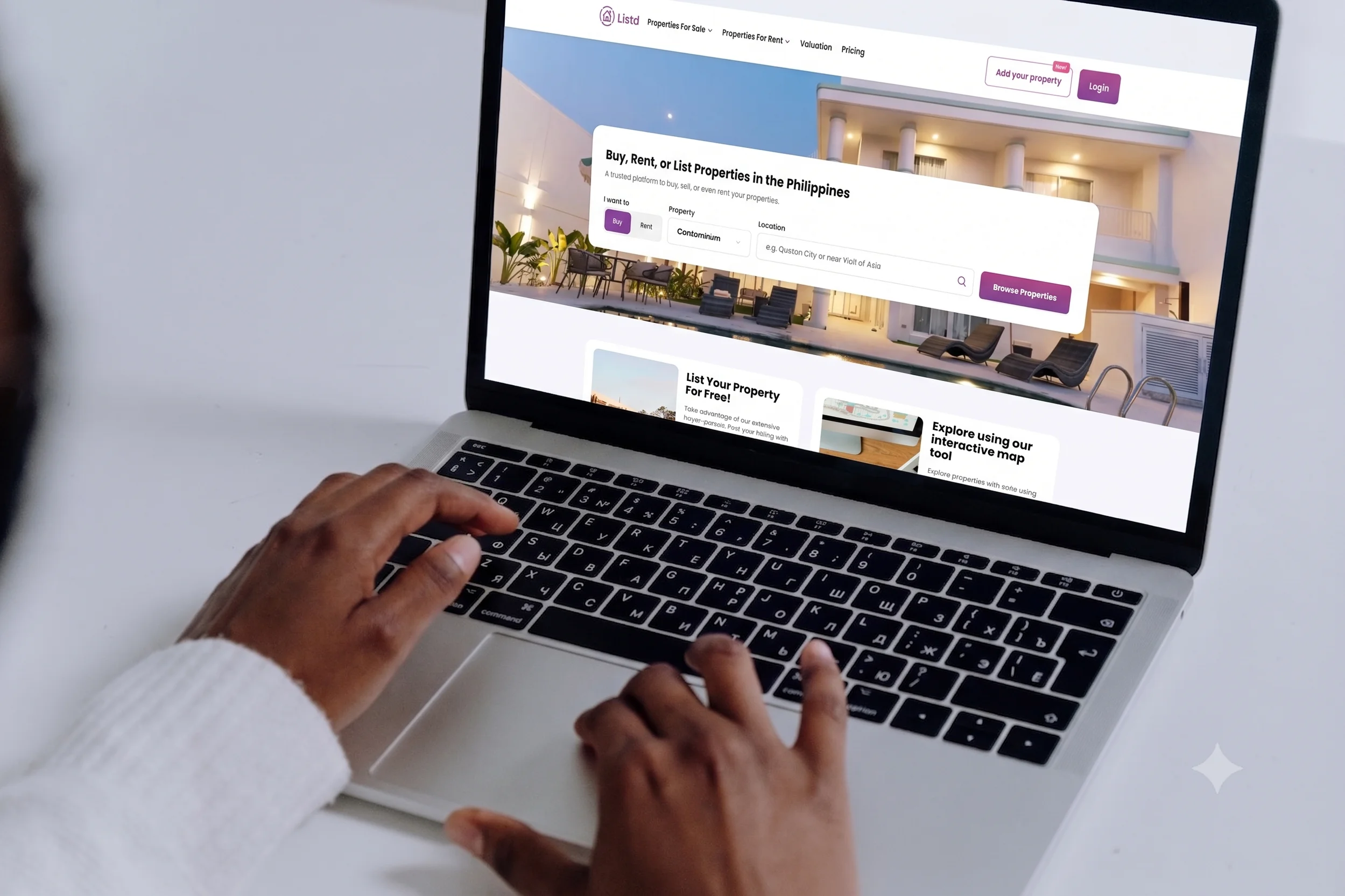
Listd.ph lists both preselling and ready-for-occupancy condominiums across Metro Manila and beyond. Use the interactive map search to compare units by location and price, and get an instant property valuation before you make an offer.
Browse condos for sale on Listd.ph: https://listd.ph/search/condominium-for-sale
About the Author


Enjoyed this article? Share it with others.
Latest Posts

How to Buy Agricultural Land in the Philippines: A Complete Buyer's Guide
Thinking of buying farm land in the Philippines? Learn DAR rules, CLOA title risks, land conversion, and the buyer due diligence steps that protect your money.
How to Write a Real Estate Listing That Sells in the Philippines
Learn how to write a property listing that sells fast in the Philippines — headlines, descriptions, photos, and CTAs that turn casual browsers into buyers.

How to Verify a Land Title in the Philippines: A Buyer's Step-by-Step Guide
Learn how to verify a land title in the Philippines, spot fake or doubled titles, and get a Certified True Copy from the Registry of Deeds before you buy.

BIR eCAR in the Philippines: What It Is and How to Get One
What the BIR eCAR is, the documents you need, taxes to pay, and the step-by-step process to transfer a property title in the Philippines without delays.

Should You Buy a Condo Parking Slot in the Philippines? Costs, Title Rules, and What to Check
Should you buy a condo parking slot in the Philippines? Learn the real costs, separate CCT title rules, and what to check before you pay.
Stay Updated on Market Trends
Get the latest real estate insights, investment tips, and market analysis delivered to your inbox every week.
Join 10,000+ subscribers. No spam, unsubscribe anytime.