Condo for Sale in the Philippines: The Complete Buyer's Guide
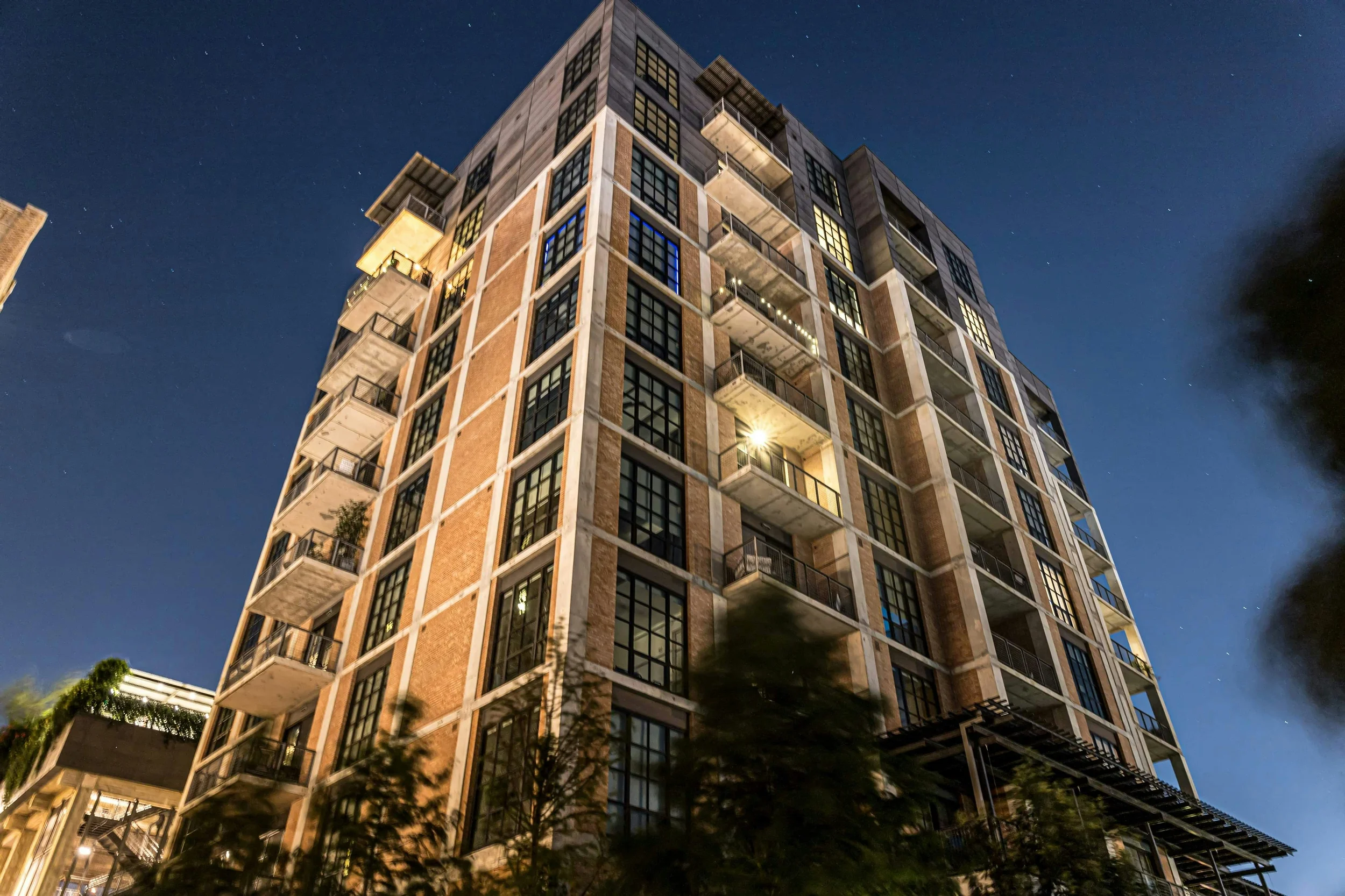
There has never been a better time to buy a condo in the Philippines — and that's not a sales line.
With over 70,000 unsold units sitting in Metro Manila alone, developers are offering payment terms, reservation discounts, and rent-to-own schemes that simply didn't exist two or three years ago. If you have been eyeing a condo for sale but waiting for the right moment, 2026 is it.
This guide covers everything you need to make a confident purchase: what condo ownership actually means legally, the real costs beyond the price tag, how to evaluate a unit, how to finance it, and the exact process from reservation to move-in — including the answers to questions most developers won't volunteer.
What Condo Ownership Actually Means in the Philippines
When you buy a condo for sale in the Philippines, you're purchasing the unit — not the land it sits on. Your legal proof of ownership is a Condominium Certificate of Title (CCT), which is different from the Transfer Certificate of Title (TCT) used for houses and land.
You share ownership of everything outside your unit — hallways, the lobby, the amenities, the land — with all other owners through a Condominium Corporation. This corporation collects monthly dues, maintains the building, and sets the house rules you'll live by.
It's worth understanding this upfront, because it shapes everything: what you can renovate, what you'll pay monthly for the life of your ownership, and who has authority over the building's future.
Condo vs. House: The Honest Trade-Off
A condo is a lifestyle decision as much as a financial one. Here's what you're actually trading:
What you gain: Location that a house can't match (proximity to CBDs, MRT stations, BPOs), 24/7 security, amenities like pools and gyms maintained for you, and significantly lower maintenance responsibility.
What you give up: Square footage (most studios and 1-bedrooms run 20–45 sqm), control over shared spaces, freedom to renovate as you please, and the peace of no-unit-above-you.
For most urban buyers — especially those working in Makati, BGC, Ortigas, or IT Park Cebu — the trade-off makes practical sense.
The 2026 Market Reality: Why It's a Buyer's Market Right Now
If you're comparing condos for sale today versus 2022 or 2023, the landscape has shifted dramatically in your favor.
Metro Manila currently carries a record overhang of unsold ready-for-occupancy units. Developers who launched aggressively during the pre-pandemic boom are now sitting on completed inventory and motivated to move it. The result:
More flexible payment terms — spot cash down payments as low as 5%, PDC schedules stretched over longer periods
Rent-to-own schemes gaining popularity, letting buyers move in with minimal upfront cash
Price stability — developers aren't cutting list prices (that affects resale values too), but promos and freebies are more generous than they've been in years
Slower new project launches — developers are holding off on preselling new towers to clear existing stock first, which protects you from competing with fresh, lower-priced launches
This window won't stay open indefinitely. Once interest rates ease further and buyer demand picks back up, the terms will tighten.
Pre-Selling vs. Ready-for-Occupancy: Which Should You Buy?
This is the first real fork in the road for any condo buyer. Both have a strong case in 2026.
Pre-Selling Condo
Ready-for-Occupancy (RFO)
Price
Lower — often 20–40% below finished market value
Higher — you pay current market value
Down payment
Flexible — spread over 24 to 60 months, typically 0% interest
Lump sum — usually 5–20% upfront
Unit selection
Wide — choose your floor, view, and layout
Limited — remaining inventory only
Move-in
2–5 years away (construction timeline)
Immediate
Risk
Construction delays or developer financial issues
None — inspect the actual unit before paying
2026 context
Fewer new launches as developers clear old stock
Strong promos, rent-to-own options on RFO units
Listd.ph take: In the current oversupply environment, RFO condos offer unusual value. Developers are pushing promos that make RFO units competitive with pre-selling prices — especially if you're currently paying rent. Run the numbers: your monthly rent vs. an RFO rent-to-own amortization. You may already be in a position to own.
The Real Cost of Buying a Condo (What Developers Don't Lead With)
The price tag on a condo for sale is only the beginning. Budget for these costs before you commit.
1. Closing Fees (5–6% of the Total Contract Price)
Paid at turnover, these cover title transfer, documentary stamp tax, registration, and miscellaneous fees. On a ₱4,000,000 unit, expect ₱200,000–₱240,000 in closing fees. Keep this in cash — it's rarely financeable.
2. Monthly Association Dues
Ongoing for the entire period you own the unit. The 2026 range:
Mid-market buildings: ₱80–₱100 per sqm per month
Premium buildings (BGC, Makati CBD): ₱120–₱150+ per sqm per month
A 30 sqm unit in a mid-market building costs approximately ₱2,700–₱3,000/month in dues alone. This never goes away and typically increases every few years.
3. Condo Corporation Joining Fee
A one-time payment upon move-in, usually equivalent to 2–3 months of association dues. For the unit above: ₱5,400–₱9,000 one-time.
4. VAT
As of 2026, a 12% VAT applies to condo units priced above ₱3.6 million. Always confirm whether the listed price is VAT-inclusive or VAT-exclusive. On a ₱4M unit, the difference is ₱480,000. Units below ₱3.6M remain VAT-exempt.
The 50-Year Rule: What It Actually Means
This question comes up every time someone seriously considers buying a condo in the Philippines. Here's the straight answer.
The Condominium Act of the Philippines (RA 4726) allows a condo corporation to vote to dissolve and sell the property if the building reaches 50 years of age and is deemed obsolete or uneconomical to repair. The 50-year mark is not an automatic expiry — it's a legal threshold at which demolition becomes possible, not mandatory.
For demolition to happen, the majority of unit owners must vote for it. If that vote passes, the land is sold and proceeds are distributed proportionally to unit owners based on unit size.
In practice: no functioning, well-maintained condo building in the Philippines has ever been demolished against owners' wishes purely because it hit 50 years. Owners whose asset is worth money have every incentive to vote against demolition.
The more relevant question: is the building well-managed? Are the association dues being used for proper maintenance? A 30-year-old well-run building is a better investment than a 5-year-old poorly managed one.
How to Finance a Condo for Sale in 2026
Bank Financing (Most Common Route)
Interest rates have stabilized from post-pandemic highs. Current market:
Standard fixed rate: 7%–8% per annum, fixed for 1–3 years
Promo rates: Select banks (Security Bank, BPI, Metrobank) are offering 6.5%–6.75% for 5-year fixing periods to stimulate borrowing
Maximum loan term: Up to 20–25 years depending on your age and income
Apply for your bank loan at least 6 months before your unit's turnover. Pre-qualify early — don't wait until you're holding the keys.
Pag-IBIG Housing Loan
A strong option for qualified members, particularly for units priced at more accessible levels:
Regular Housing Loan: Market-based rates, up to ₱6 million
Socialized Housing (4PH Program): 3% per annum for eligible low-income borrowers on socialized housing units
If you've been a Pag-IBIG contributor for at least 24 months, it's worth getting a Pag-IBIG pre-qualification alongside your bank pre-qualification — then compare.
Investing in Condos: Rental Yields in 2026
If you're buying as an investment, here's the current income picture:
Long-term rental yield: 5.5%–5.8% gross in Metro Manila. Demand is strong near BPOs and universities.
Short-term rental (Airbnb): Higher income potential, but check the building's Deed of Restrictions first — many new developments explicitly ban short-term rentals.
Can Foreigners Buy a Condo for Sale in the Philippines?
Yes — and it's one of the more accessible markets in Southeast Asia for foreign buyers.
Foreigners can legally hold a CCT (full ownership title) on condo units as long as foreign ownership in a single project does not exceed 40% of total units. If you can find a unit in a project that hasn't hit this cap, the purchase process is essentially the same as for a Filipino buyer.
2026 update on land leases: As of late 2025, the Philippines extended the maximum land lease period for foreigners to 99 years (from the previous 50 years plus 25-year renewal). This makes leasehold house-and-lot arrangements more viable than before — but condos remain the only way for foreigners to hold actual freehold title in the Philippines.
Step-by-Step Condo Buying Checklist
Phase 1: Selection and Reservation
Verify the developer's track record — completed projects, no stalled developments, active HLURB/DHSUD license to sell
Check the location against infrastructure plans (Metro Manila subway, expressways)
Confirm if the listed price is VAT-inclusive or exclusive
Pay the Reservation Fee (typically ₱15,000–₱25,000 — non-refundable)
Sign the Reservation Agreement and verify unit number, floor, and floor area in writing
Phase 2: Down Payment Period
Submit Post-Dated Checks or set up Auto-Debit Arrangement
Sign the Contract to Sell (CTS) — keep the original document in a safe place
Begin pre-qualifying for bank or Pag-IBIG loan — don't wait until turnover
Phase 3: Loan Application and Turnover
Submit complete bank or Pag-IBIG loan application at least 6 months before turnover
Conduct unit inspection (Punch Listing) — document every defect in writing; do not accept turnover until defects are corrected
Prepare closing fees in cash (~5–6% of TCP)
Sign the Deed of Absolute Sale (DOAS)
Phase 4: Move-In
Pay Condo Corporation joining fee and first month's association dues
Attend new unit owner orientation — learn house rules on garbage schedules, guest policies, renovation permits, and pet rules
Register utility accounts (Meralco, Manila Water or equivalent)
Frequently Asked Questions
What is a CCT? A Condominium Certificate of Title is your legal proof of condo ownership. Unlike buying land (which comes with a TCT), condo buyers receive a CCT. Always verify the CCT is clean — free of mortgages, liens, or encumbrances — before completing your purchase.
Is the balcony included in the stated floor area? Yes, in the Philippines the Total Floor Area in your contract typically includes the balcony and AC ledge. A "24 sqm unit with a 2 sqm balcony" gives you 22 sqm of indoor living space. If floor area matters to your decision, ask the developer for the interior floor area separately.
Can I renovate my condo? You can paint walls, install built-in furniture, and make cosmetic changes. You generally cannot modify structural elements, alter plumbing layouts, or change exterior windows without PMO approval. Check your building's House Rules for the specific list — they vary by development.
Pre-selling or RFO — which is better in 2026? In 2026, RFO condos offer unusually competitive terms given the oversupply. If you need to move in now (or are paying rent you want to redirect toward ownership), RFO is the stronger choice. If you can wait 3–5 years and want the widest unit selection, pre-selling still offers a price advantage.
Find Verified Condos for Sale on Listd.ph
Every listing on Listd.ph is verified — no duplicate listings, no bait-and-switch ads, no ghost units. Search by city, price range, unit type, or building, and connect directly with the developer or broker behind each property.
Browse condos for sale now → Condo for Sale in Metro Manila · Condo for Sale in Makati · Condo for Sale in Cebu · Condo for Sale in BGC, Taguig
About the Author


Enjoyed this article? Share it with others.
Latest Posts
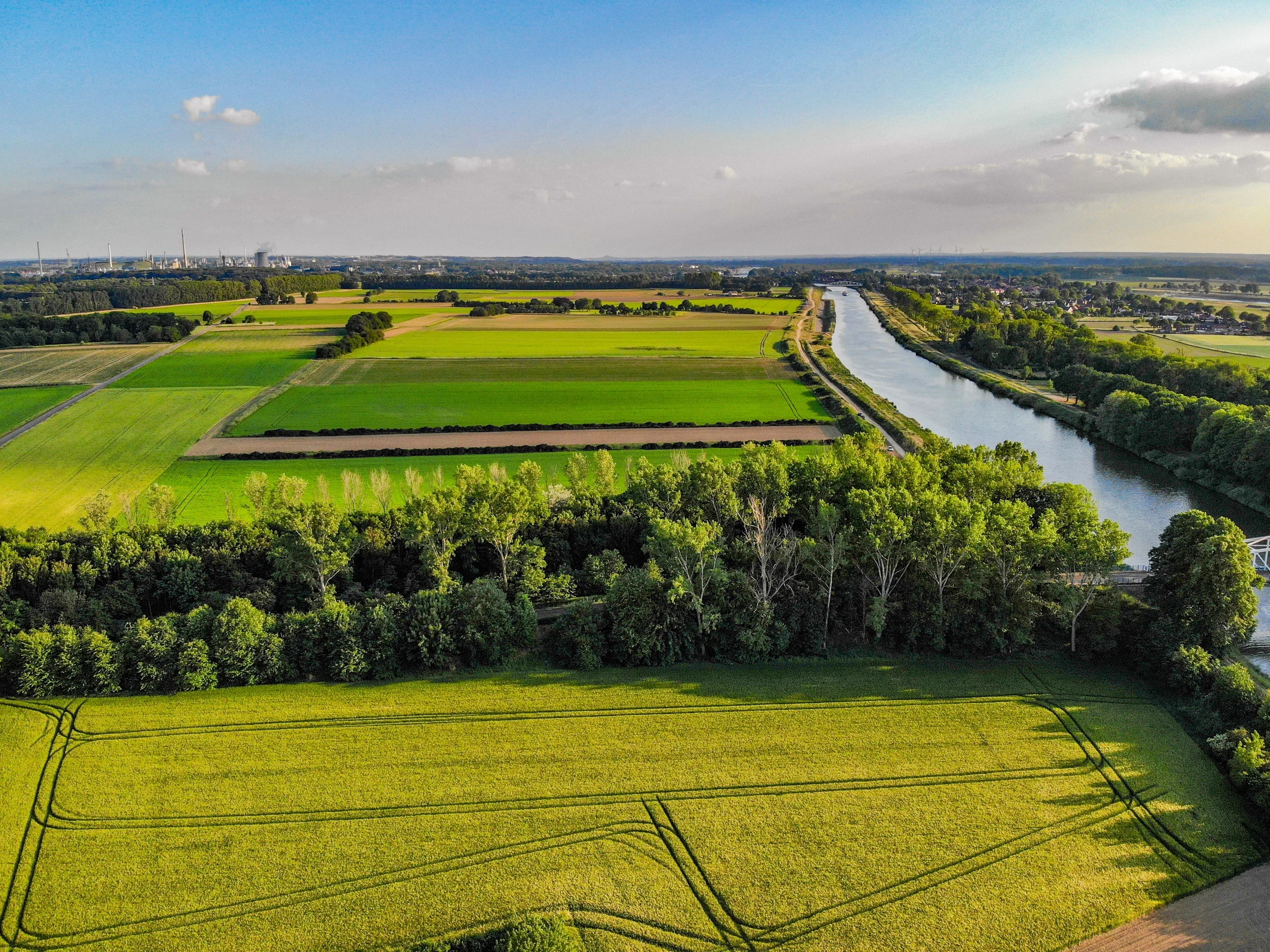
How to Buy Agricultural Land in the Philippines: A Complete Buyer's Guide
Thinking of buying farm land in the Philippines? Learn DAR rules, CLOA title risks, land conversion, and the buyer due diligence steps that protect your money.
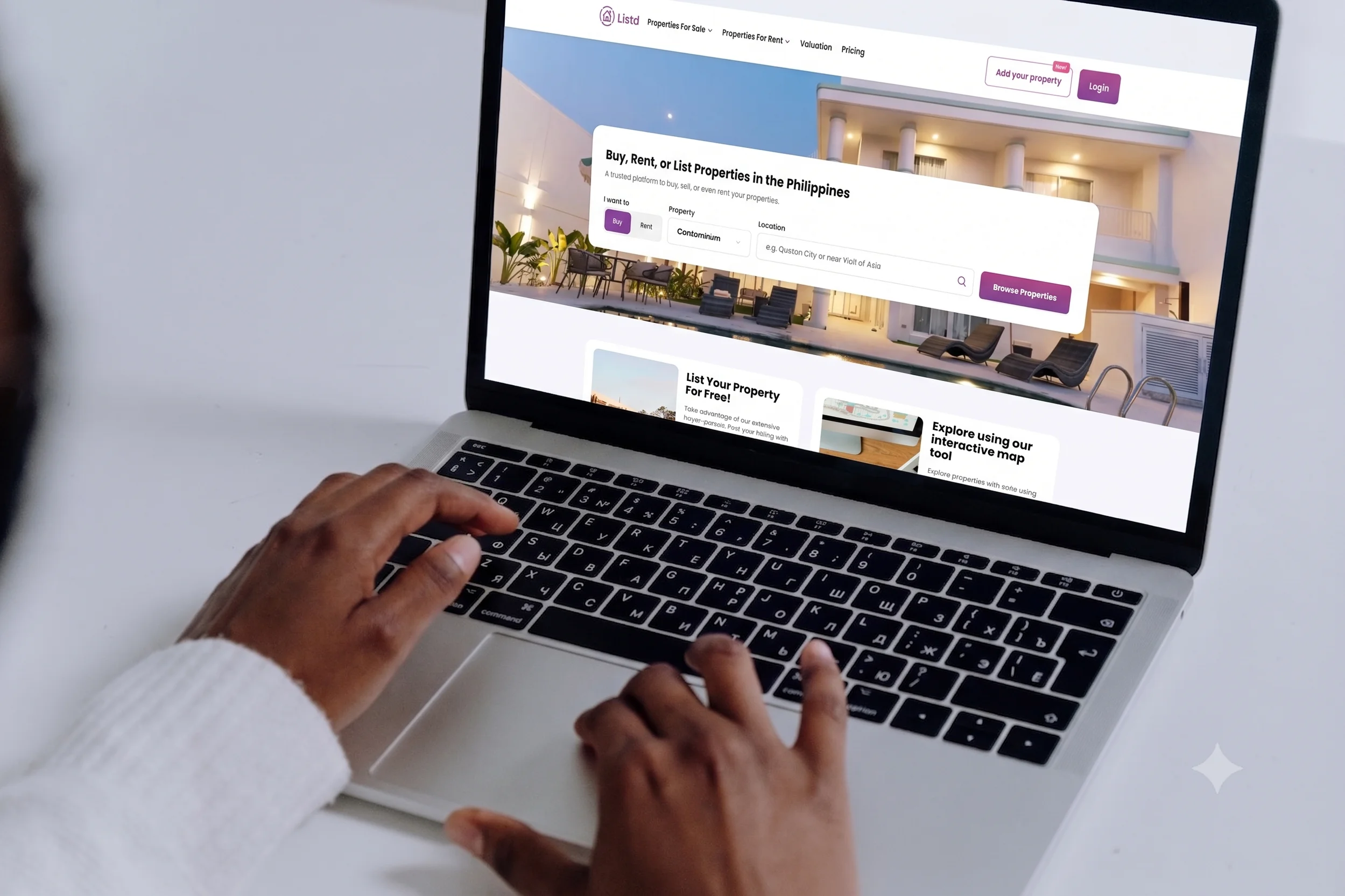
How to Write a Real Estate Listing That Sells in the Philippines
Learn how to write a property listing that sells fast in the Philippines — headlines, descriptions, photos, and CTAs that turn casual browsers into buyers.

How to Verify a Land Title in the Philippines: A Buyer's Step-by-Step Guide
Learn how to verify a land title in the Philippines, spot fake or doubled titles, and get a Certified True Copy from the Registry of Deeds before you buy.

BIR eCAR in the Philippines: What It Is and How to Get One
What the BIR eCAR is, the documents you need, taxes to pay, and the step-by-step process to transfer a property title in the Philippines without delays.
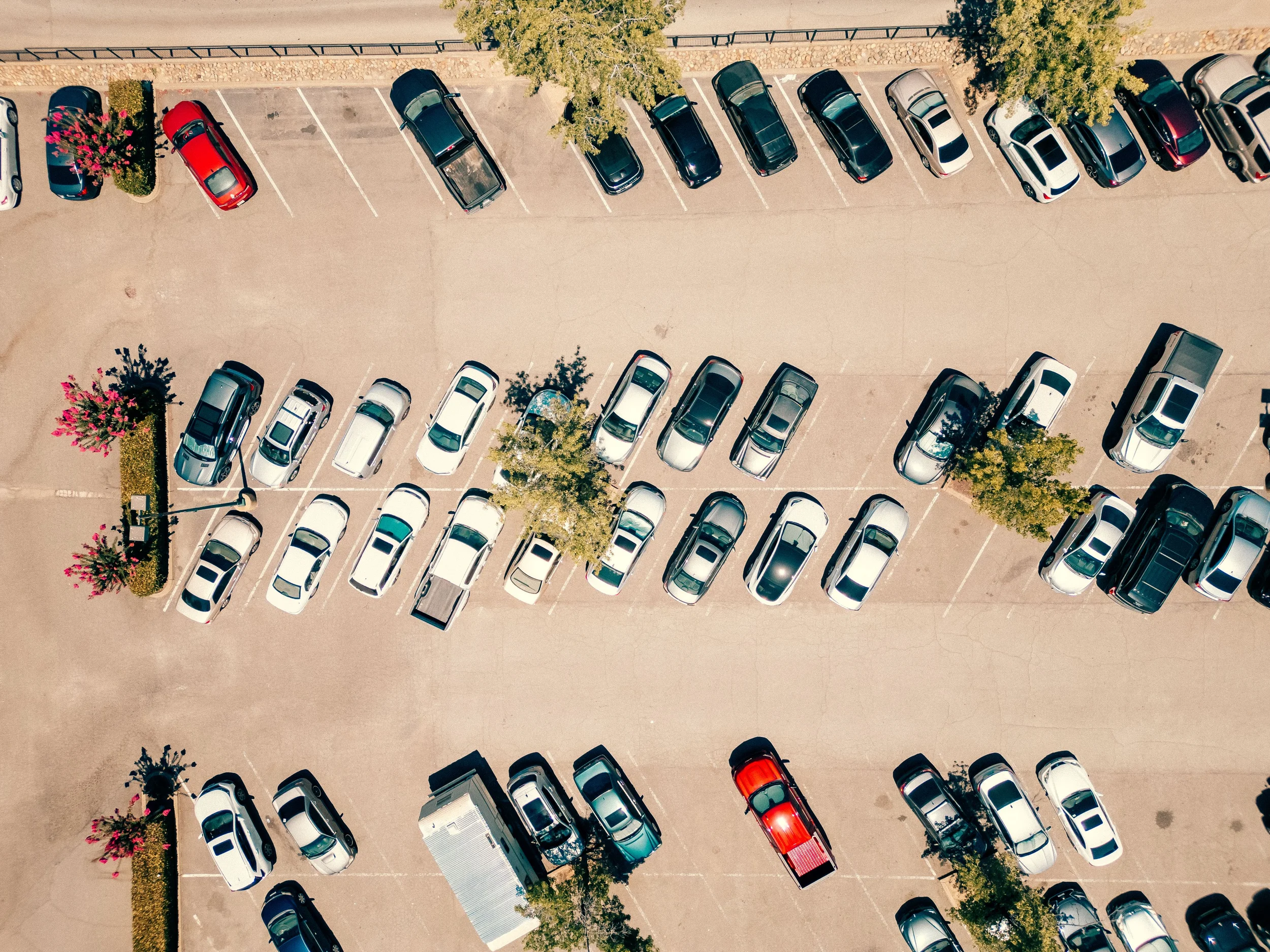
Should You Buy a Condo Parking Slot in the Philippines? Costs, Title Rules, and What to Check
Should you buy a condo parking slot in the Philippines? Learn the real costs, separate CCT title rules, and what to check before you pay.
Stay Updated on Market Trends
Get the latest real estate insights, investment tips, and market analysis delivered to your inbox every week.
Join 10,000+ subscribers. No spam, unsubscribe anytime.