Cost of building a house in the Philippines
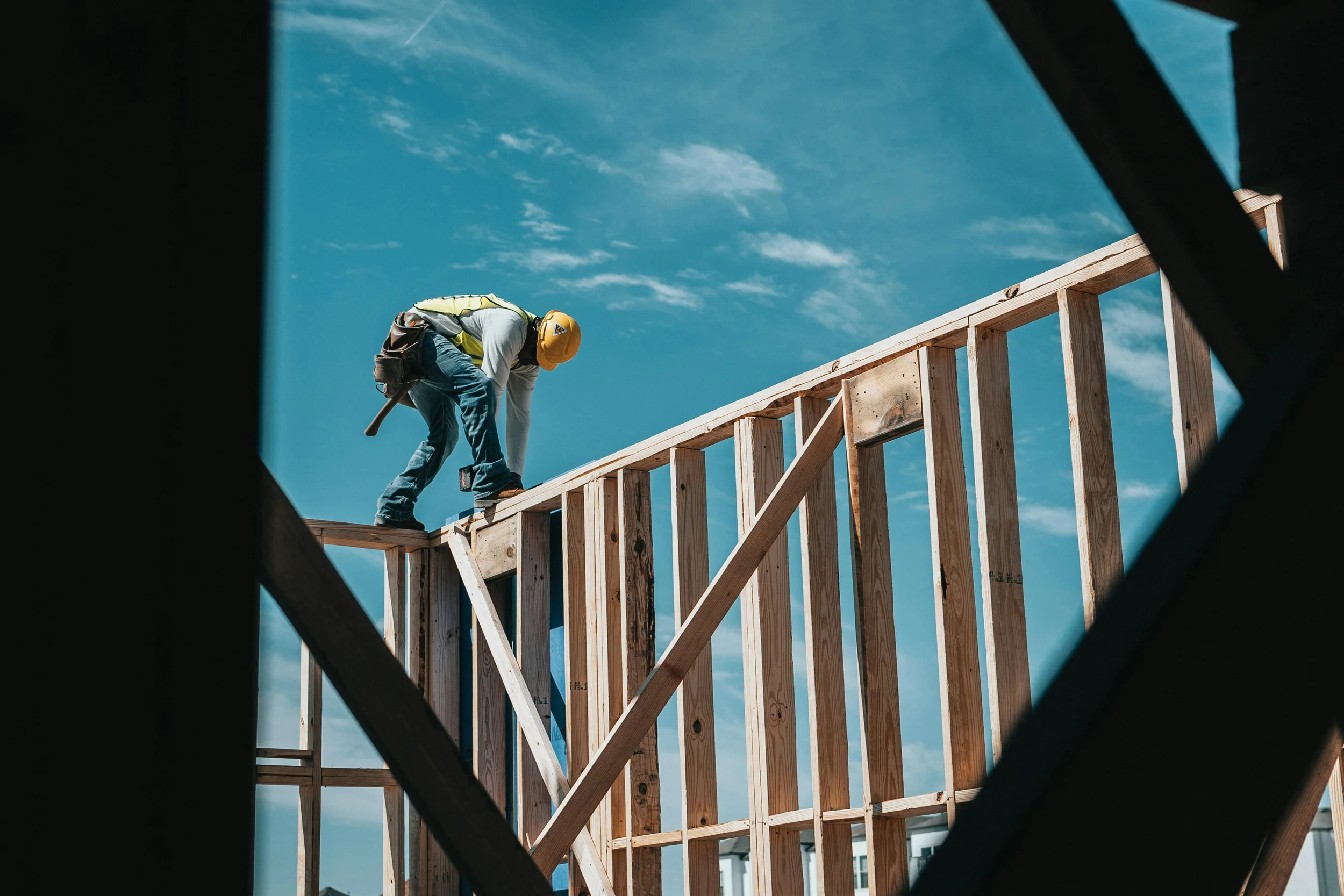
Building your own home is one of life’s most personal journeys. It’s more than just cement and steel; it’s about creating a sanctuary that mirrors your family's unique lifestyle. We know that in 2026, the question of "Magkano?" (How much?) is often tied to concerns over fluctuating material prices and labor availability.
At Listd.ph, we believe clarity is the foundation of a stress-free build. Using current 2026 market data, we’ve updated this guide to help you budget with total peace of mind.
Average Construction Cost per Square Meter (2026)
In the Philippines, construction costs are primarily calculated by multiplying your total floor area by a "finish factor." For 2026, market rates have stabilized but reflect the increased cost of high-performance and sustainable materials.
A realistic budget for a mid-range residential build in 2026 currently sits between ₱35,000 and ₱50,000 per square meter. While "economy" builds can start lower, modern building codes and safety standards make the mid-range the most popular choice for Filipino families.
The 2026 "Finish Level" Comparison
To help you visualize where your investment goes, here is a breakdown of what to expect at different price points:
Type of Finish
Estimated Cost (per sqm)
Typical Features & Quality
Basic / Rough
₱28,000 – ₱35,000
Bare concrete floors, standard GI roofing, basic plumbing, no built-in cabinets.
Standard
₱36,000 – ₱50,000
Tiled floors, gypsum ceilings, modular kitchen cabinets, modern aluminum windows.
High-End
₱50,000 – ₱75,000
Imported tiles, smart lighting, high ceilings, premium bathroom fixtures, solid wood doors.
Luxury
₱75,000 and up
Custom architecture, solar-ready systems, full home automation, premium stone/marble finishes.
Senior Editor’s Tip: Always set aside a 10% to 15% contingency fund. In 2026, supply chain shifts can still cause minor delays. Having this safety net ensures your project never grinds to a halt.
Where Does the Money Go? (Cost Breakdown)
Understanding your budget distribution helps you identify where you can save and where you should never compromise.
Materials (55% – 60%): This covers your "structural" costs (cement, rebar, hollow blocks) and your "finishing" costs (tiles, paint, fixtures). In early 2026, cement prices average around ₱250 per bag, while ordinary 6" CHB is roughly ₱26–₱31 per piece.
Labor (25% – 40%): This pays for your foreman, skilled masons, and laborers. Daily rates in Metro Manila for skilled workers now range from ₱800 to ₱1,200, depending on expertise.
Professional Fees & Permits (5% – 10%): This includes your Architect, Structural Engineer, and the various LGU permits.
Pro-Tip: Many LGUs now offer Digital Building Permit applications, which can save you weeks of processing time.
Factors That "Move the Needle" on Price
Location: Building in a prime village in Makati or BGC typically carries a 20% premium due to strict subdivision rules, specialized delivery fees, and higher labor rates compared to provinces like Cavite or Laguna.
Design Complexity: A simple "box-type" modern design is significantly more sulit (value-for-money) than a house with complex rooflines, multiple balconies, or irregular angles.
Soil & Foundation: If your lot is on a slope or soft soil (common in areas like Antipolo or Marikina), expect your foundation costs to increase to meet earthquake-resiliency standards.
Frequently Asked Questions
Is it cheaper to build a bungalow or a two-story house?
Per square meter, a bungalow is actually slightly more expensive. This is because a 100sqm bungalow requires twice as much foundation and roofing as a 100sqm two-story house (which only has a 50sqm footprint).
How can I lock in material prices?
Many contractors in 2026 recommend "Material Price Locking"—buying your steel and cement in bulk at the start of the project or using an escrow-style payment system to protect against mid-build inflation.
How long does a 100sqm house take to build?
For a standard finish, the realistic timeline is 6 to 9 months. We recommend starting your "wet works" (foundation and walls) during the dry season (January to May) to avoid weather-related delays.
About the Author


Enjoyed this article? Share it with others.
Latest Posts
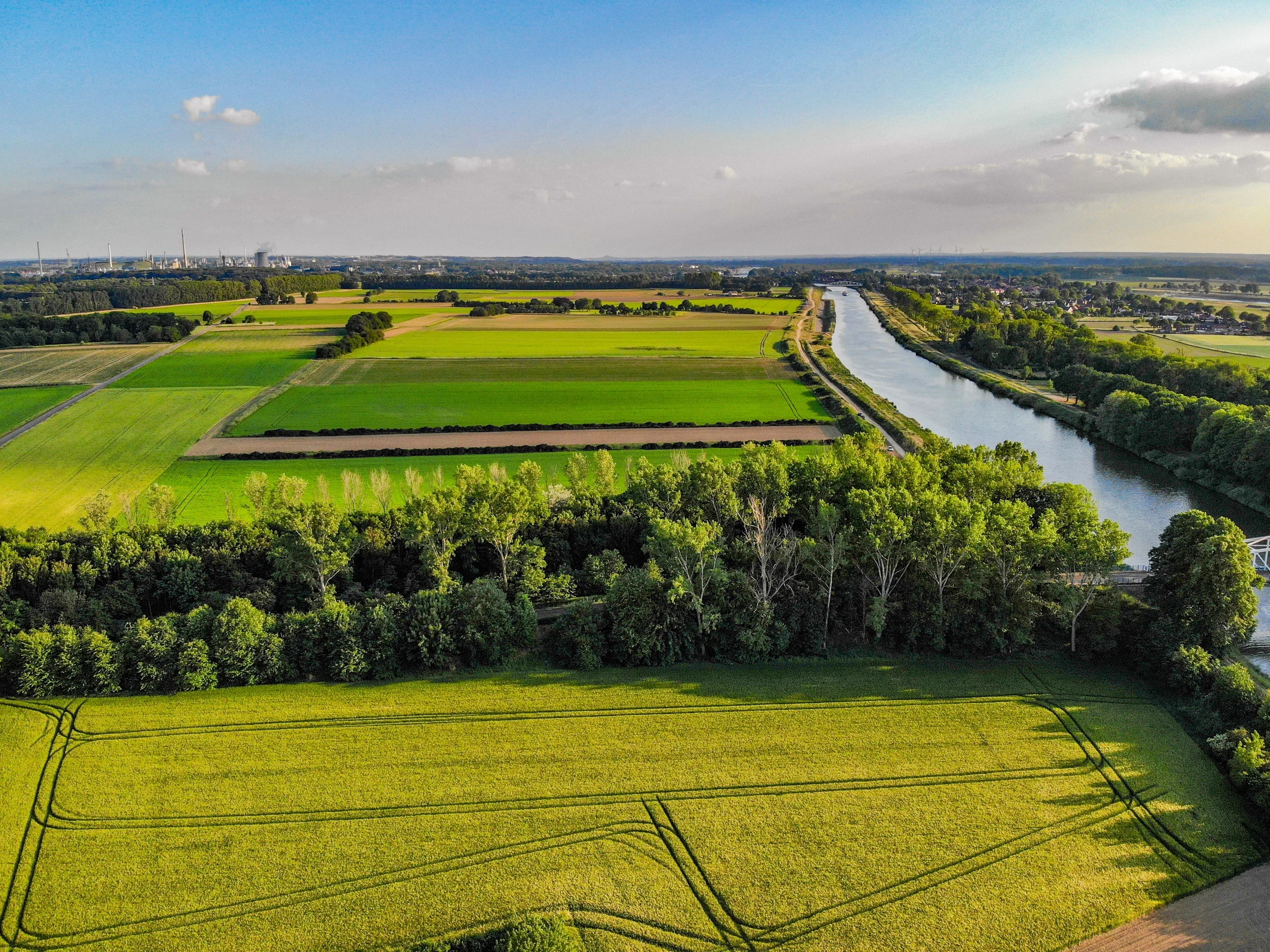
How to Buy Agricultural Land in the Philippines: A Complete Buyer's Guide
Thinking of buying farm land in the Philippines? Learn DAR rules, CLOA title risks, land conversion, and the buyer due diligence steps that protect your money.
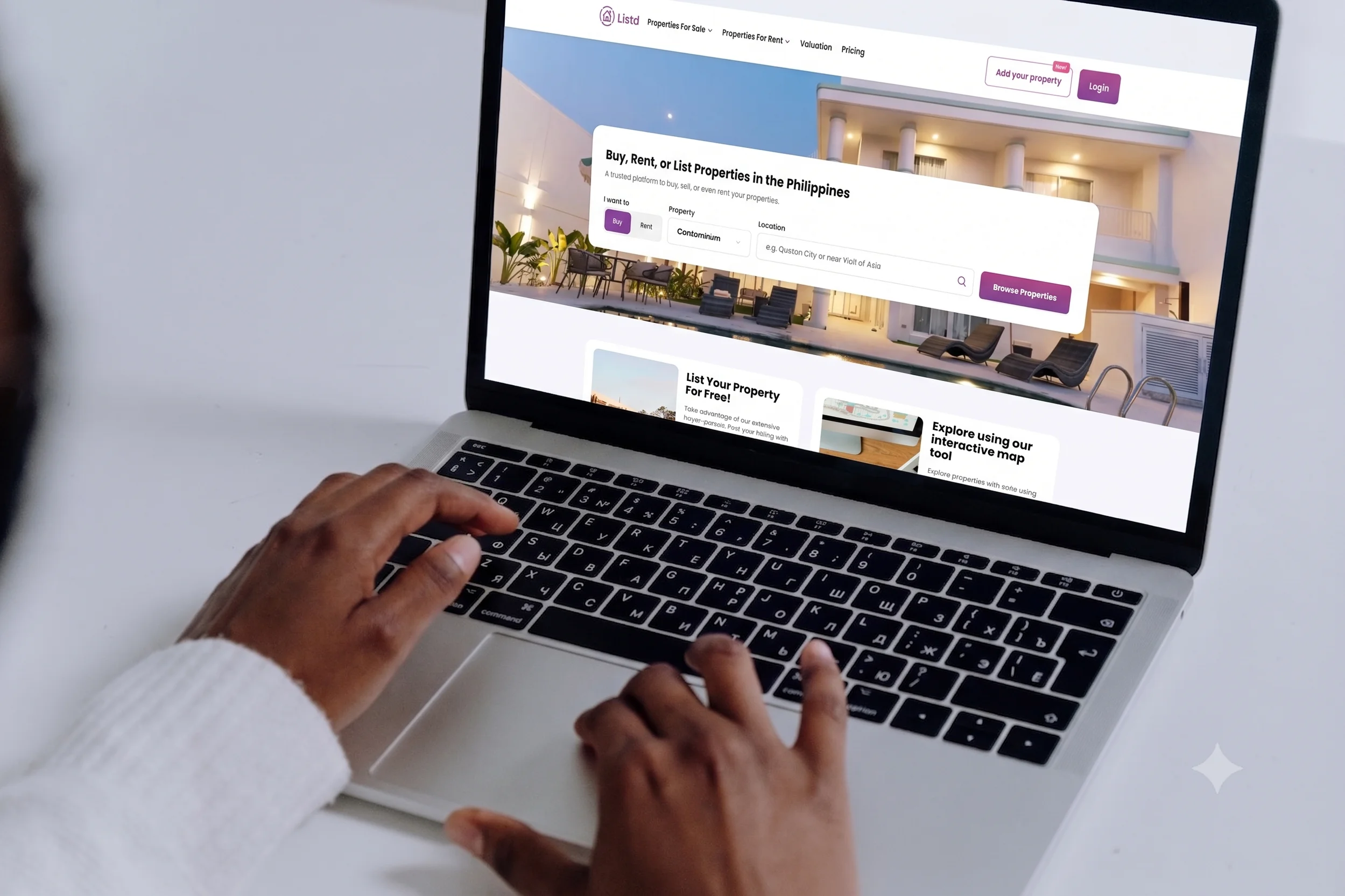
How to Write a Real Estate Listing That Sells in the Philippines
Learn how to write a property listing that sells fast in the Philippines — headlines, descriptions, photos, and CTAs that turn casual browsers into buyers.

How to Verify a Land Title in the Philippines: A Buyer's Step-by-Step Guide
Learn how to verify a land title in the Philippines, spot fake or doubled titles, and get a Certified True Copy from the Registry of Deeds before you buy.

BIR eCAR in the Philippines: What It Is and How to Get One
What the BIR eCAR is, the documents you need, taxes to pay, and the step-by-step process to transfer a property title in the Philippines without delays.
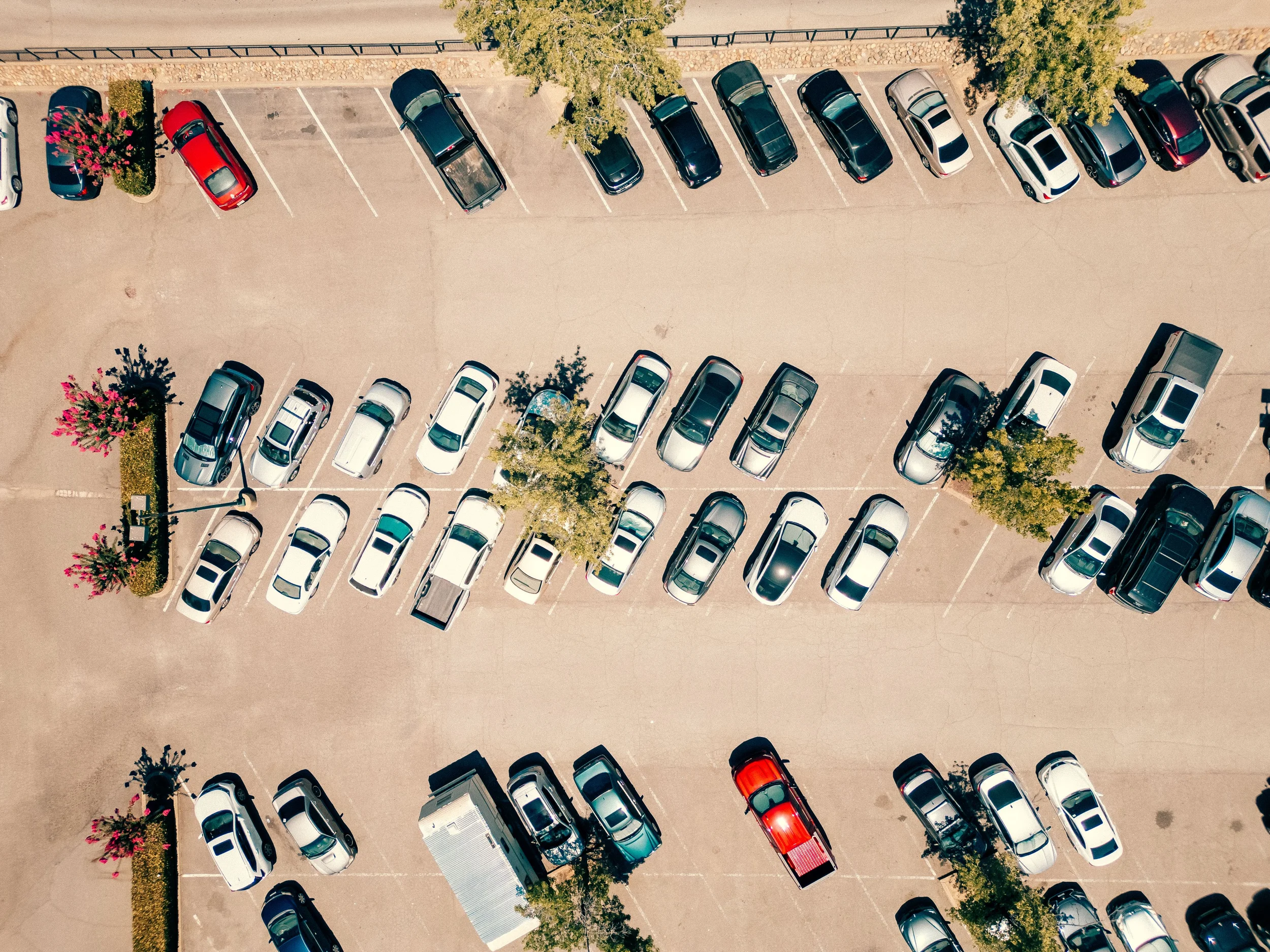
Should You Buy a Condo Parking Slot in the Philippines? Costs, Title Rules, and What to Check
Should you buy a condo parking slot in the Philippines? Learn the real costs, separate CCT title rules, and what to check before you pay.
Stay Updated on Market Trends
Get the latest real estate insights, investment tips, and market analysis delivered to your inbox every week.
Join 10,000+ subscribers. No spam, unsubscribe anytime.