Living in Alabang: A Complete Neighborhood Guide
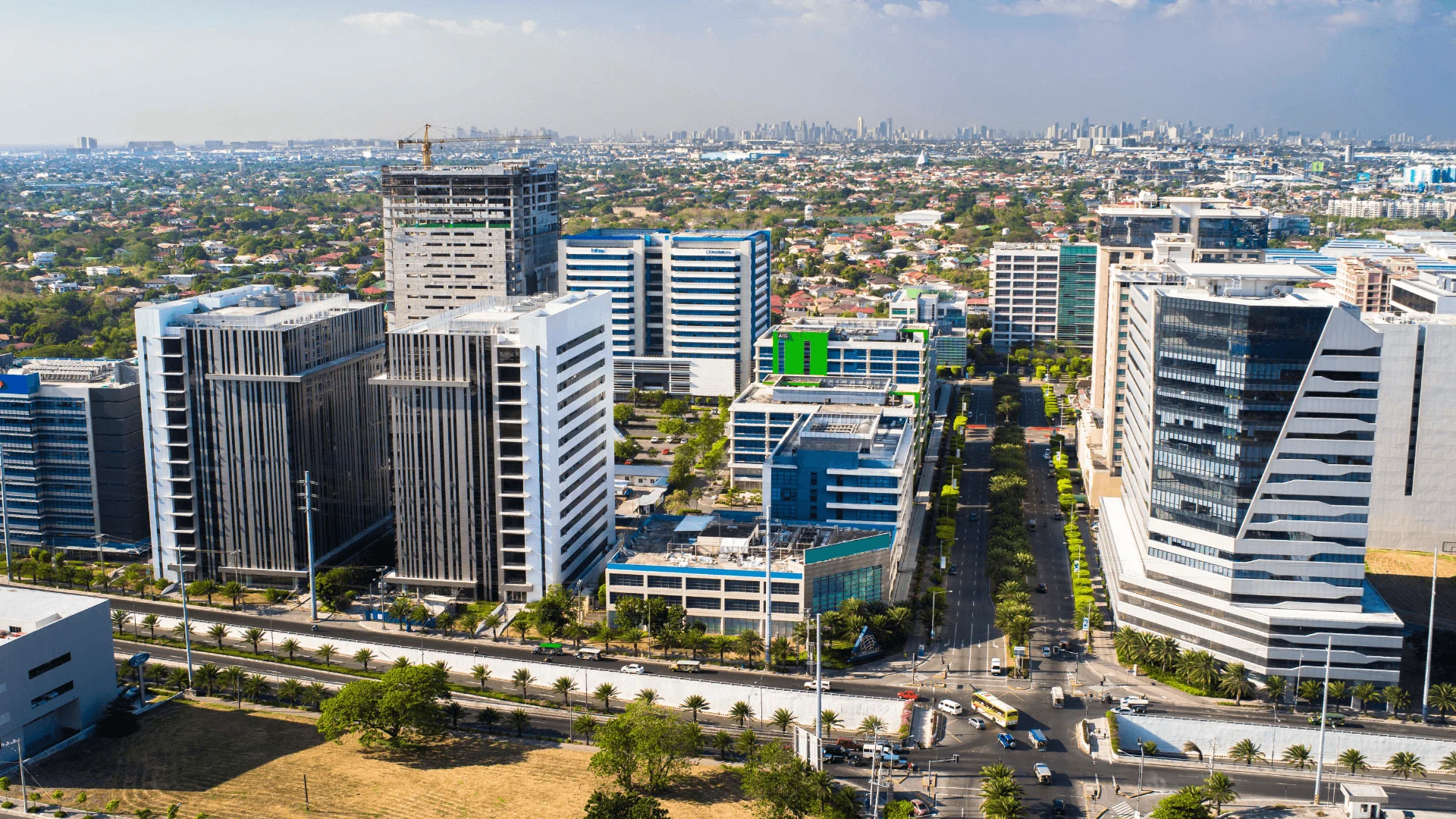
Alabang has earned its reputation as one of the most desirable addresses in Metro Manila — a polished, self-contained urban district in the southern city of Muntinlupa that offers the rare combination of big-city convenience and a quieter, more livable pace. Whether you’re a family looking for room to breathe, a professional working in the south, or an investor eyeing rental yields, Alabang deserves a close look.
Where Is Alabang, and What Is It Like?
Alabang sits approximately 18 kilometres south of Makati’s central business district, connected by the South Luzon Expressway (SLEX). On a clear day, the drive between Makati and Alabang takes roughly 20 to 30 minutes via SLEX or Skyway — though Metro Manila traffic being what it is, rush-hour commutes can stretch longer.
The area is anchored by two major developments: Ayala Alabang Village, one of the most prestigious gated communities in the Philippines, and Filinvest City, a 244-hectare central business district that houses corporate headquarters, BPO offices, and lifestyle amenities. Together, they give Alabang a distinct character — upscale but not cramped, suburban but not sleepy.
Lifestyle and Amenities
Alabang is exceptionally well-served when it comes to retail, dining, and leisure, which is a big reason families choose to settle here permanently rather than treating it as a temporary posting.
Malls and retail: The area has three major commercial hubs within easy reach. Alabang Town Center (ATC) on Alabang-Zapote Road is known for its Spanish-inspired open-air design — palm-lined walkways and breezy arcades that set it apart from the enclosed megamalls of the north. Festival Mall in Filinvest City offers a wider, family-oriented retail experience with dining, cinema, and leisure all under one roof. Molito Lifestyle Center is the neighbourhood’s boutique option — a curated open-air strip of restaurants, cafes, and specialty shops that has become a favourite weekend destination for residents.
Dining and entertainment: From casual Filipino favourites to international fine dining, Alabang’s restaurant scene punches above its weight for a suburban district. The Molito strip in particular has cultivated a strong cafe and dining culture that draws people from across the south.
Healthcare: St. Luke’s Medical Center Global City has a presence in Filinvest City, and Alabang Medical Center serves the broader Muntinlupa area, making healthcare access a genuine strength of the neighbourhood.
Education
For families with school-age children, Alabang offers a solid range of schooling options without needing to cross into Makati or BGC.
Within the neighbourhood or a very short drive, you will find St. Bernadette College, St. Francis of Assisi College in Ayala Alabang, and St. Benedict College in Alabang Hills Village. For families seeking international schooling, Brent International School Manila is approximately 15 minutes away, offering an American curriculum from pre-school through Grade 12.
Higher education is also accessible — De La Salle University and other tertiary institutions serve the broader south Metro Manila area.
Employment and Business Hubs
One of Alabang’s strongest draws for professionals is its own employment ecosystem. You do not have to commute to Makati or Bonifacio Global City to find white-collar work — a significant advantage for quality of life.
Filinvest City is the commercial spine of Alabang, home to numerous corporate offices and BPO firms. At its core is Northgate Cyberzone, an 18.7-hectare PEZA-registered IT zone that houses call centres, KPO companies, tech firms, and banking back-offices. Companies operating within PEZA-accredited buildings in the zone enjoy income tax holidays and exemptions from local taxes, which keeps the BPO and tech sector firmly rooted here.
This concentration of employers means a significant portion of Alabang residents work within the same district they live in — a relatively rare luxury in Metro Manila.
Transportation
Getting in and out of Alabang is straightforward by Metro Manila standards. SLEX passes directly through the area with three exits — Sucat, Alabang, and Filinvest — giving drivers flexibility depending on their destination within the district. The Skyway also terminates at Alabang, providing an elevated, toll-based alternative that bypasses most surface-level congestion.
For those without a car, the Alabang Bus Terminal (also known as South Station) is a major transit hub with routes connecting to the rest of Metro Manila. The Philippine National Railways (PNR) Alabang station historically provided a train link to Manila, though PNR’s operational status has been subject to infrastructure upgrades and should be verified closer to your move.
Provincial buses to Laguna, Cavite, and Batangas also depart from the area, making Alabang a practical base for those who travel south regularly.
Property Prices in Alabang
Alabang is unambiguously on the premium end of the Metro Manila market — but the range is wider than many assume, covering everything from mid-market condos to one of the Philippines’ most exclusive village addresses.
Condominiums: As of 2024–2025 market data, condominium prices in Alabang and Muntinlupa range broadly from approximately PHP 2 million to PHP 66 million depending on location, developer, and unit size. Studio and one-bedroom units in mid-range developments typically start around PHP 4 million to PHP 8 million. Two- and three-bedroom units in established projects range from PHP 16 million to PHP 29 million, with premium high-rise units in Filinvest City going higher.
Houses in gated villages: Ayala Alabang Village and the surrounding gated communities represent some of the priciest residential land in the south. Zonal values in the area range from PHP 100,000 to PHP 180,000 per square metre, with actual market prices for lots reaching PHP 200,000 per square metre or above. Turnkey house-and-lot packages in upscale villages are typically priced from PHP 12 million for smaller executive homes to PHP 55 million and above for larger family residences.
Rentals: Condo rentals for smaller units in Alabang range from approximately PHP 27,000 to PHP 40,000 per month. Houses in Ayala Alabang Village and similar gated communities command significantly higher rents, often averaging PHP 150,000 to PHP 220,000 per month for larger family homes.
Who Lives in Alabang?
The resident profile in Alabang tends to skew toward upper-middle-class and affluent Filipino families, as well as a notable expat community — particularly executives working in the Filinvest City BPO and corporate sector. The neighbourhood has long been associated with established Filipino families who have lived in Ayala Alabang Village for generations, but newer condominium developments in Filinvest City have broadened the demographic to include younger professionals and investors seeking rental income.
It has a noticeably more relaxed, community-oriented feel compared to Makati or BGC — fewer nightclubs, more family restaurants, more wide-open village streets on weekend mornings. For families who have done the BGC hustle and are ready to trade density for space, Alabang is often the logical next chapter.
Is Alabang Right for You?
Alabang is a strong fit if you prioritise space, quality schools, a self-contained lifestyle, and a relatively easy commute within the south. It is less ideal if you work north of Makati and need to commute daily, or if you are budget-constrained — property prices here reflect the premium the market has consistently placed on the area.
For property investors, Alabang’s stable demand from the BPO sector and expat community supports solid rental yields, and land values in the area have historically appreciated steadily over the long term.
Find Your Next Property in Alabang on Listd.ph
Ready to explore what’s available in Alabang right now? Listd.ph has hundreds of verified house and condo listings across Muntinlupa — with an interactive map, detailed photos, and an instant property valuation tool so you can compare prices with confidence. Browse Alabang listings today at listd.ph.
About the Author


Enjoyed this article? Share it with others.
Latest Posts
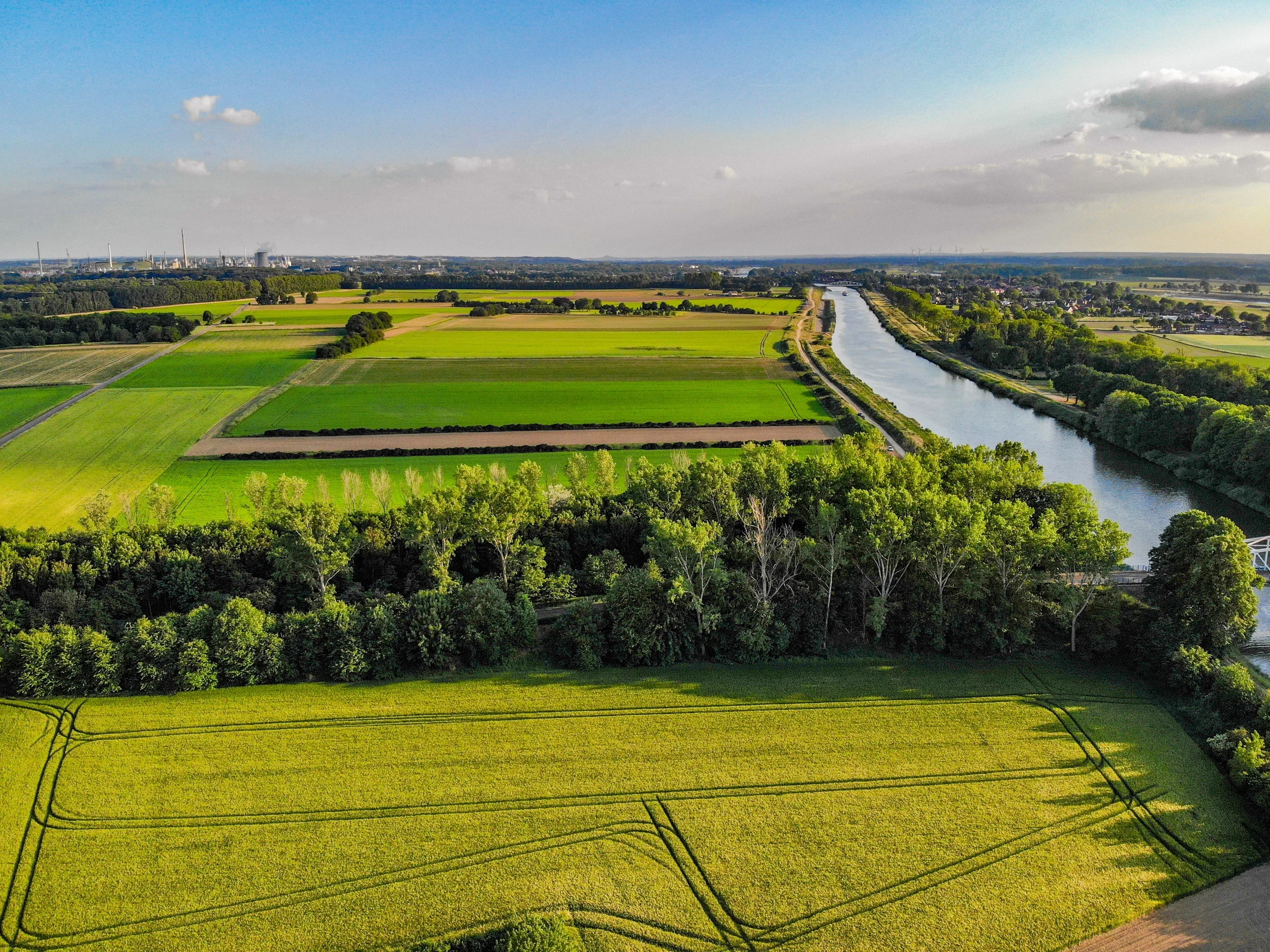
How to Buy Agricultural Land in the Philippines: A Complete Buyer's Guide
Thinking of buying farm land in the Philippines? Learn DAR rules, CLOA title risks, land conversion, and the buyer due diligence steps that protect your money.
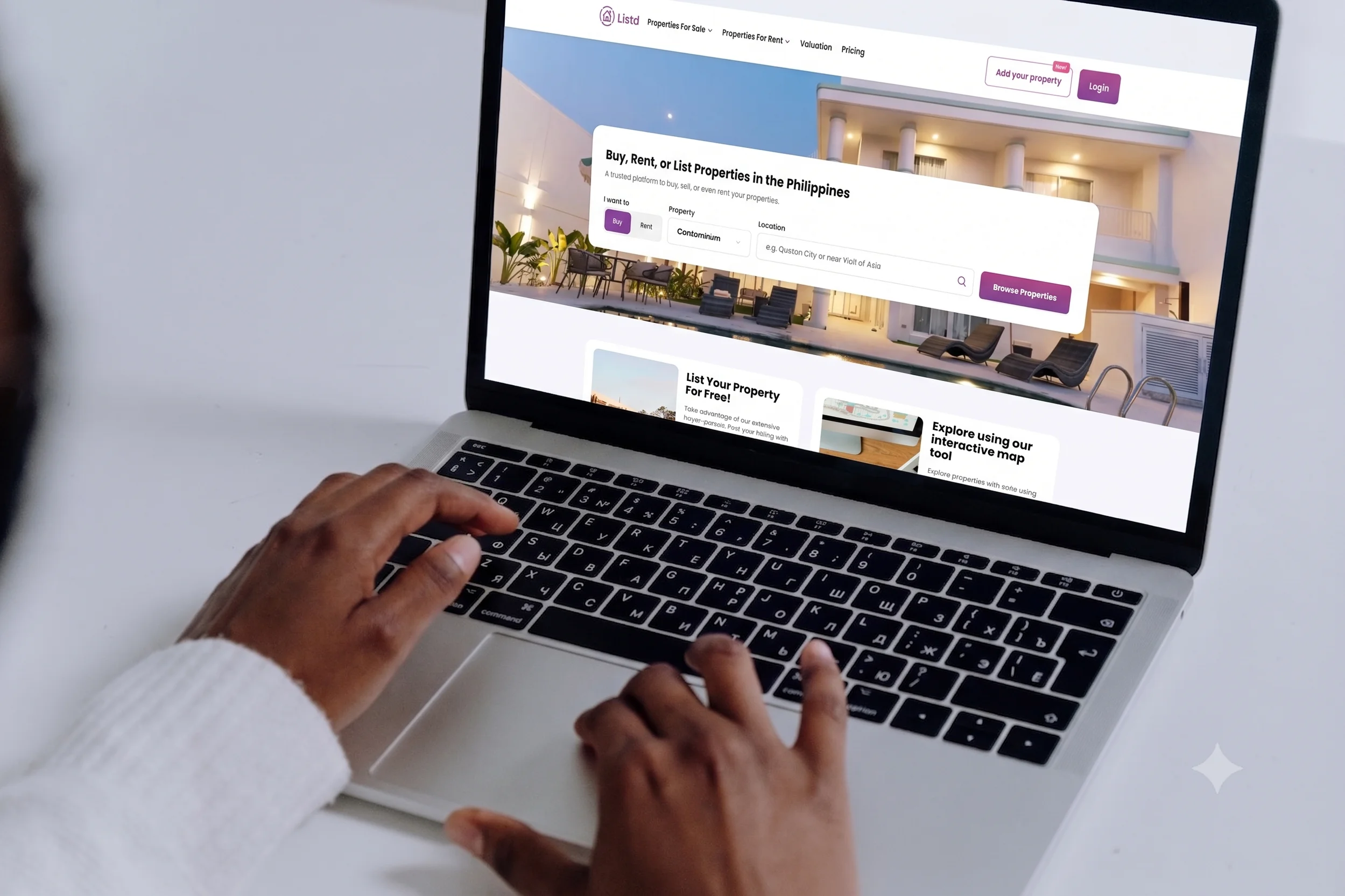
How to Write a Real Estate Listing That Sells in the Philippines
Learn how to write a property listing that sells fast in the Philippines — headlines, descriptions, photos, and CTAs that turn casual browsers into buyers.

How to Verify a Land Title in the Philippines: A Buyer's Step-by-Step Guide
Learn how to verify a land title in the Philippines, spot fake or doubled titles, and get a Certified True Copy from the Registry of Deeds before you buy.

BIR eCAR in the Philippines: What It Is and How to Get One
What the BIR eCAR is, the documents you need, taxes to pay, and the step-by-step process to transfer a property title in the Philippines without delays.

Should You Buy a Condo Parking Slot in the Philippines? Costs, Title Rules, and What to Check
Should you buy a condo parking slot in the Philippines? Learn the real costs, separate CCT title rules, and what to check before you pay.
Stay Updated on Market Trends
Get the latest real estate insights, investment tips, and market analysis delivered to your inbox every week.
Join 10,000+ subscribers. No spam, unsubscribe anytime.