When Supply Outpaces Demand: Navigating Metro Manila’s Condo Market in a High-Rate Environment
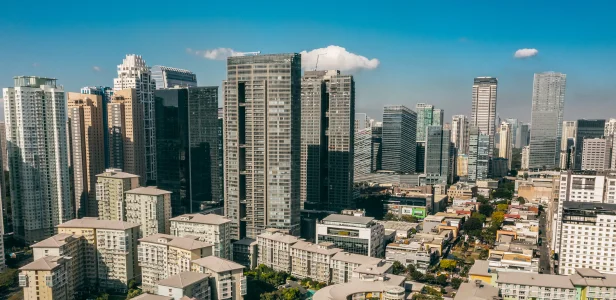

Metro Manila’s condominium market is entering a more complex phase - one defined by a growing imbalance between supply and demand, alongside the broader impact of rising interest rates and elevated operating costs. While residential development has remained active over the past several years, absorption has not kept pace, resulting in a visible build-up of available inventory across several submarkets.
At the same time, the prospect of further policy tightening by the Bangko Sentral ng Pilipinas (BSP) is beginning to reshape market behavior. Higher borrowing costs are not only affecting homebuyers - but they are also cascading across the entire real estate value chain, influencing construction timelines, logistics costs, and ultimately, pricing decisions in both the sales and leasing markets.
A Market Adjusting to Oversupply
The current supply overhang in Metro Manila is most evident in the mid- to high-density condominium segments, where a wave of completions has outpaced end-user demand. For developers, this has translated into longer sell-through periods and increased competition, particularly in locations where multiple projects are launched within proximity.
For individual property owners, the implications are equally significant. Units that were once expected to appreciate quickly are now competing within a more crowded market, where pricing, positioning, and visibility play a much larger role in determining transaction success.
In this environment, time on market has become a critical metric. Listings that are not priced correctly or lack sufficient exposure risk becoming stagnant - ultimately forcing price corrections or prolonged vacancy.
The Interest Rate Effect: More Than Just Mortgages
Interest rate movements are often viewed through the lens of mortgage affordability, but their impact runs much deeper.
Higher rates increase the cost of capital for developers, which can delay project timelines or shift launch strategies. At the same time, construction costs - already elevated due to global supply chain pressures - are further influenced by financing costs tied to ongoing development.
Logistics and transportation expenses are also indirectly affected. As fuel prices and borrowing costs rise, the movement of materials, labor, and goods becomes more expensive. These pressures feed into overall project costs, which developers must either absorb or pass on to buyers.
For homebuyers, the immediate effect is reduced purchasing power. Monthly amortizations increase, narrowing the pool of qualified buyers and slowing down sales velocity across the market.
Shifting Behavior: Leasing as a Strategic Alternative
As affordability tightens, more potential buyers are opting to rent rather than purchase - at least in the near term. This shift is creating pockets of strength in the leasing market, particularly in well-located developments near business districts and transport corridors.
However, increased rental supply is also placing downward pressure on yields in certain segments. For unit owners, this means that simply listing a property is no longer enough. Competitive pricing, professional presentation, and targeted exposure are becoming essential to securing tenants quickly and maintaining occupancy.
Developers and Owners: Competing in a More Transparent Market
In a high-supply, high-cost environment, the margin for error becomes smaller.
Developers are responding by offering more flexible payment terms, adjusting unit mixes, or enhancing amenities to differentiate their projects. Meanwhile, individual sellers are becoming more strategic - monitoring comparable listings, adjusting prices dynamically, and exploring multiple channels to reach potential buyers.
This is where the role of data and visibility becomes increasingly important.
Platforms that provide real-time insights into pricing, comparable listings, and market activity can help both developers and individual owners make more informed decisions. In a market where timing and positioning can determine whether a property sells or sits idle, access to accurate information is a clear advantage.
A Smarter Way to Navigate the Market
Today’s market conditions are not necessarily a setback - they represent a transition toward a more mature and data-driven real estate environment.
For sellers and landlords, success will depend on understanding market dynamics, pricing competitively, and maximizing visibility across the right channels. For buyers and tenants, the current environment presents opportunities to negotiate and secure better value.
As the market continues to evolve, technology will play a central role in bridging the gap between supply and demand. Platforms like Listd PH are designed to support this shift - helping property owners, brokers, and developers list more effectively, reach the right audience, and make decisions backed by data rather than guesswork.
In a market where competition is intensifying, the advantage will increasingly belong to those who are best informed - and best positioned.
About the Author

Enjoyed this article? Share it with others.
Latest Posts

BGC Office Market 2026: What the Data Means for Condo Buyers Near Bonifacio Global City
Savills 1Q 2026 data shows BGC office vacancy at just 8.0%. Discover what tightening supply and rising rents mean for condo prices and investments near Bonifacio Global City.

Complete Guide to Taxes and Fees When Buying Property in the Philippines
Buying property in the Philippines? Learn the full breakdown of taxes, fees, and closing costs so you can budget accurately before you sign.

Real Estate Broker Lead Generation in the Philippines: Top Strategies for 2026
Discover proven lead generation strategies for real estate brokers in the Philippines. Attract more buyers and sellers with digital tools, AI platforms, and smart outreach tactics.

Condo HOA Fees in the Philippines: What's Covered, What's Not, and Your Rights as an Owner
Understand condo association dues in the Philippines — what's covered, rate ranges by area, your legal rights as an owner, and how to dispute illegal increases.

Commercial Space Checklist: What Top-Tier Tenants in Metro Manila Actually Demand
What do corporate tenants really want? From advanced EV charging to smart HVAC and bulletproof connectivity, discover the ultimate office space checklist for Metro Manila.

How to Spot Real Estate Scams in the Philippines: A Buyer's Protection Guide
Learn to protect yourself from property fraud in the Philippines — from fake titles to ghost projects. Includes step-by-step verification guides and legal remedies.

What the National Land Use Act Means for Property Buyers and Investors in the Philippines
The Philippines' National Land Use Act (NLUA) just passed the House. Here's what it means for buyers, investors, and developers in the property market.

Living in Mandaluyong: A Complete Neighborhood Guide
Explore our complete guide to living in Mandaluyong. Discover top neighborhoods, property prices, and lifestyle perks. Find your next home on Listd.ph!

Living in Alabang: A Complete Neighborhood Guide
Weighing a move to the south? Discover if living in Alabang is right for you with our data-driven guide to neighborhoods, schools, and property prices.

Capital Gains Tax in the Philippines: A Complete Guide for Property Sellers
Learn how capital gains tax works in the Philippines for property sellers - computation, exemptions, filing steps, and the full cost-of-selling breakdown.

Bank Housing Loan Philippines: A Complete Guide
Compare 2026 bank housing loan rates in the Philippines — BDO, BPI, Metrobank, and more. Find out which bank fits your profile and how to apply.

Living in Pasig City: A neighborhood and property guide
Weighing your Metro Manila options? Discover if living in Pasig City is right for you with our data-driven guide to neighborhoods, commutes, and property prices.

How to sell bare units faster with AI virtual staging
Help buyers see the potential of empty spaces. Learn how AI virtual staging allows brokers to transform bare units online while maintaining client trust.

Labor Day 2026: Securing the Filipino worker's dream of homeownership
Protect your hard-earned savings. This Labor Day, learn how Filipino workers can safely secure their dream home through the Pag-IBIG housing program.

Condo pressures spur developer diversification
Navigate shifting market trends safely. Learn how current condo pressures are pushing Philippine developers to diversify and what it means for property buyers.

How to sell your property in the Philippines: A complete guide
Avoid costly surprises. Learn the step-by-step process of selling your property in the Philippines, from navigating seller taxes to safe title transfers.

A First-Time Homebuyer’s Guide to Buying Property in the Philippines
Buying your first home in the Philippines? Learn how to set a budget, choose between Pag-IBIG and bank loans, compute closing costs, and process your title.

Living in Makati: A Complete Neighborhood Guide
Thinking of living in Makati? Explore the best neighborhoods, average condo prices, commute tips, and lifestyle perks in the Philippines' financial capital.

Where to Buy a Vacation Home in the Philippines
Discover the top places to buy a vacation home in the Philippines. Compare actual prices, rental yields, and hidden property risks before you invest. Learn more.

TCT vs. CCT: What Every Filipino Property Buyer Should Know
Buying property in the Philippines? Learn the critical differences between a Transfer Certificate of Title (TCT) and a Condominium Certificate of Title (CCT) before you sign.

OFW Property Investment in the Philippines
Secure your hard-earned savings. Discover the safest ways for OFWs to invest in Philippine real estate, verify properties, and build a future back home.

Real Property Tax in the Philippines: Complete Guide
Learn everything about real property tax (amilyar) in the Philippines - how to compute it, when to pay, and how to avoid penalties.

Preselling vs. Ready-for-Occupancy Condo in the Philippines: Which Is Right for You?
Preselling vs. RFO condo: which is right for you? Discover the pros, cons, and legal protections every Philippine property buyer needs to know before signing.

Foreclosed Properties in the Philippines: A Buyer's Guide
Looking to buy foreclosed properties in the Philippines? Learn how to find, bid on, and buy bank-owned or Pag-IBIG foreclosures at below-market prices.

How to get an online property valuation report in the Philippines
Learn how to get an accurate online property valuation report in the Philippines. Discover the Listd.ph AI valuation tool to make confident real estate decisions.

Rental Property Investment: How to Evaluate a Property Before You Buy
Master your next rental property investment in the Philippines. Learn how to evaluate rental property, calculate yield, and run proper due diligence.

How to Choose the Right Property Manager (A Guide for First-Time Investors)
Not sure how to choose a property manager? This guide covers fees, screening, staff ratios, and communication standards to help first-time investors get it right.

Is It a Good Time to Buy Property in 2026? What the Market Is Telling Us
Thinking of buying property in 2026? Here's an honest look at interest rates, inventory levels, and market signals to help you decide if now is the right time.

The modern-day hero's guide to safe property investing in the Philippines
Protect your hard-earned remittances. Discover the safest way for OFWs to invest in Philippine real estate, avoid scams and verify developers with Listd.ph.

Rent to Own House Philippines: The Complete Guide
Everything you need to know about rent to own homes in the Philippines — how it works, what to watch out for, and how to find the best deals. Check it here.

PagIBIG Housing Loan Requirements for Self-Employed Applicants Checklist
Essential Pag-IBIG housing loan requirements. Learn how to prep your HLAF, valid IDs, and selfie for a faster application. Start your home journey now!

How to apply for a house loan through Pag-IBIG: A step-by-step guide
Turn your dream home into reality. Discover how the Pag-IBIG housing loan offers the most accessible path to homeownership in the Philippines. Learn more!

Cost of renting an apartment in the Philippines
Determining the cost of renting an apartment in the Philippines is complex. Navigate the rental market, move-in fees, and location variables confidently.

Cost of building a house in the Philippines
Learn the vital factors influencing your 2026 home construction budget in the Philippines. Gain insights on material costs, budgeting, and planning your ideal house.

Buying a House as an Unmarried Couple in the Philippines: A Safety Guide
Buying a house in the Philippines as an unmarried couple? Learn the essential legal differences (Article 147 vs 148), titling options, and 3 key steps to protect your investment. Secure your future home.

BIR Zonal Values in the Philippines 2026: The Essential Property Seeker's Guide
Avoid hidden property costs. Learn what BIR zonal values are, how to easily check them online, and how they impact your real estate taxes in the Philippines.

Condo for Sale in the Philippines: The Complete Buyer's Guide
Searching for a condo for sale in the Philippines? Discover 2026 prices, bank rates, hidden costs, the 50-year rule explained, and a step-by-step buying checklist.

The Ultimate House Buying Checklist: Don’t Buy a Home Without It
Buying a home in the Philippines? Master the process with our 6-phase checklist. From Pag-IBIG readiness to title transfers, ensure a safe and secure purchase.
Stay Updated on Market Trends
Get the latest real estate insights, investment tips, and market analysis delivered to your inbox every week.
Join 10,000+ subscribers. No spam, unsubscribe anytime.