Cost of renting an apartment in the Philippines
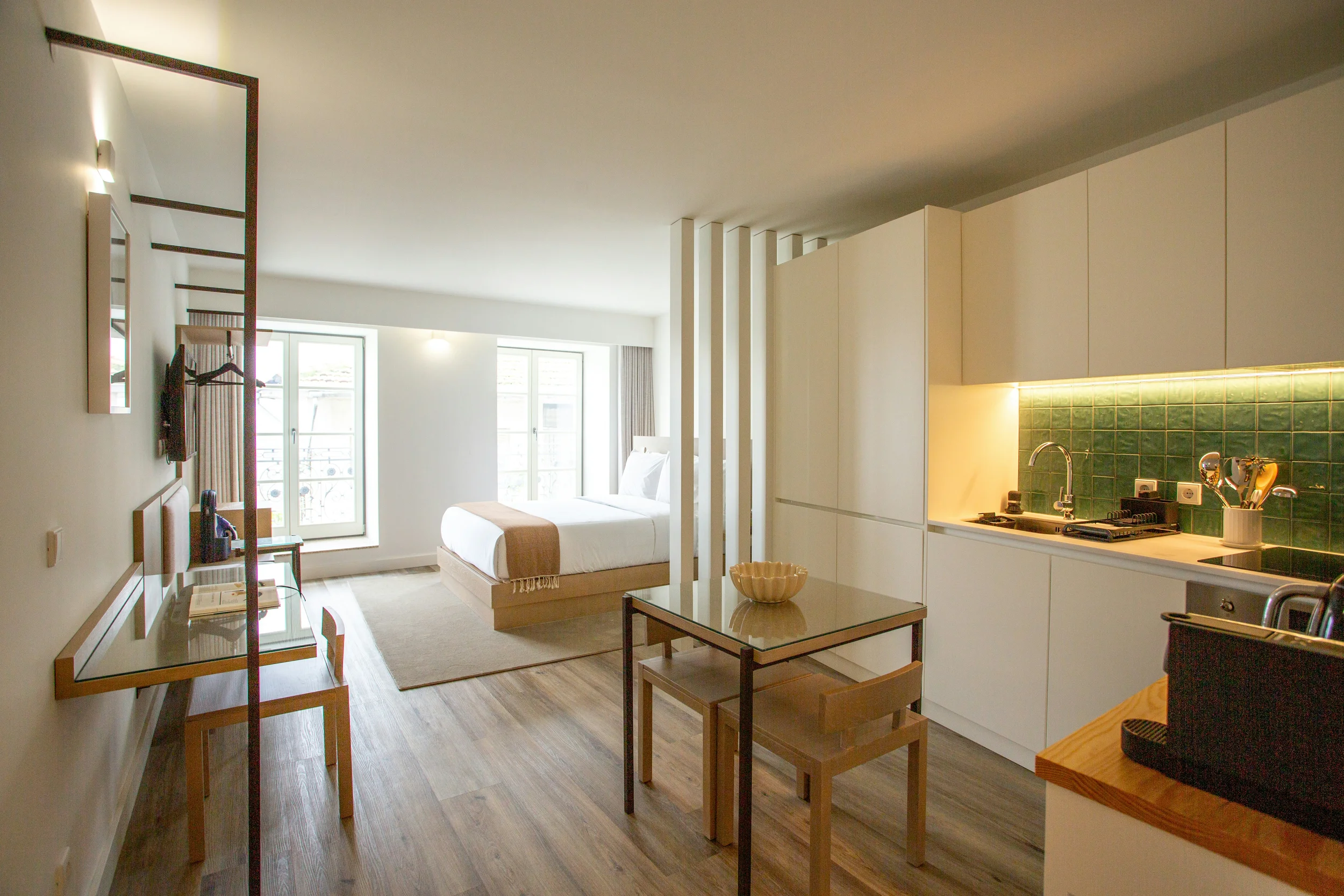
Finding an apartment that balances your budget with your lifestyle is a major milestone. Whether you’re a young professional aiming for a short commute or a growing family seeking more "elbow room," the 2026 rental market in the Philippines offers a wide spectrum of prices—often shifting significantly from one barangay to the next.
At Listd.ph, we know that hidden fees and "bait-and-switch" listings are major frustrations. We’ve compiled the latest February 2026 market data to help you navigate the rental landscape with confidence and total transparency.
Average Monthly Rent for Apartments
The 2026 rental market has entered a "Tenant’s Phase." With Metro Manila vacancy rates hovering around 26%, property seekers currently hold significant negotiating power. While prime hubs remain expensive, landlords are increasingly offering "move-in" incentives and flexible terms to attract long-term residents.
In Metro Manila, the average cost for a standard studio or one-bedroom unit currently ranges from ₱20,000 to ₱45,000. In provincial growth hubs like Cebu or Davao, you can find comparable quality for ₱12,000 to ₱25,000, offering a more sulit (value-for-money) alternative for remote workers.
The "Table of Truth": Rental Rates by Location (Q1 2026)
To help you compare your options, here is a breakdown of typical monthly rents across key districts as of February 2026:
Location
Studio / 1BR Unit
2-Bedroom Unit
Luxury / Premium
BGC / Makati CBD
₱35,000 – ₱65,000
₱75,000 – ₱130,000
₱180,000+
Ortigas / Pasig
₱25,000 – ₱42,000
₱48,000 – ₱70,000
₱90,000+
Quezon City
₱18,000 – ₱32,000
₱38,000 – ₱60,000
₱70,000+
Cebu IT Park
₱18,000 – ₱28,000
₱35,000 – ₱65,000
₱80,000+
Davao City
₱14,000 – ₱24,000
₱28,000 – ₱48,000
₱60,000+
Pro Tip: Always clarify if the headline rent is "inclusive of dues." Condominium association dues can add ₱1,500 to ₱5,000 to your monthly expenses. In 2026, many landlords in BGC are now including dues in the price to remain competitive.
What to Expect in Your Rental Agreement
Standard "move-in" costs in the Philippines follow a specific legal and traditional pattern. To avoid "sticker shock," prepare for the following:
The "2+1" Rule: Landlords typically require two months' security deposit and one month's advance rent.
The 2026 Rent Control Act: For residential units renting at ₱10,000 and below, the National Human Settlements Board has capped rent increases at 1% for the year 2026.
Payment Methods: While Post-Dated Checks (PDCs) remain standard for 12-month leases, many 2026 landlords now accept verified digital transfers (InstaPay or PESONet) for monthly payments.
Utility Deposits: Expect to pay roughly ₱6,000 per month for electricity (Meralco) and water for a standard 85sqm apartment.
Factors That "Move the Needle" on Rent
Furnishing Level: A "Fully Furnished" unit typically commands a 15–25% premium. In 2026, "semi-furnished" units (with just AC, water heater, and stove) are becoming the most popular middle-ground choice.
Transit Proximity: Properties within a 10-minute walk of the Metro Manila Subway stations (currently under construction) or the MRT-3 often lease 40% faster than those requiring a tricycle commute.
Pet Policies: BGC and Eastwood remain the gold standard for pet-friendly living, but always check the building's specific weight limits (usually under 15kg for dogs).
Frequently Asked Questions
Can foreigners rent apartments easily?
Yes. You will need a copy of your passport and your ACR (Alien Certificate of Registration) card for long-term leases. For short-term stays, a valid tourist visa is usually sufficient.
Is "Bedspacing" still a thing in 2026?
Absolutely. For students and entry-level workers, bedspacing in areas like Sampaloc or near BGC remains a budget-friendly option, ranging from ₱4,500 to ₱8,500 per month.
Who pays for repairs?
Standard practice dictates that the Landlord is responsible for structural and major utility repairs (leaking roofs, burst pipes), while the Tenant handles minor wear-and-tear (busted lightbulbs, clogged drains).
About the Author


Enjoyed this article? Share it with others.
Latest Posts
How to Buy Agricultural Land in the Philippines: A Complete Buyer's Guide
Thinking of buying farm land in the Philippines? Learn DAR rules, CLOA title risks, land conversion, and the buyer due diligence steps that protect your money.
How to Write a Real Estate Listing That Sells in the Philippines
Learn how to write a property listing that sells fast in the Philippines — headlines, descriptions, photos, and CTAs that turn casual browsers into buyers.

How to Verify a Land Title in the Philippines: A Buyer's Step-by-Step Guide
Learn how to verify a land title in the Philippines, spot fake or doubled titles, and get a Certified True Copy from the Registry of Deeds before you buy.

BIR eCAR in the Philippines: What It Is and How to Get One
What the BIR eCAR is, the documents you need, taxes to pay, and the step-by-step process to transfer a property title in the Philippines without delays.
Should You Buy a Condo Parking Slot in the Philippines? Costs, Title Rules, and What to Check
Should you buy a condo parking slot in the Philippines? Learn the real costs, separate CCT title rules, and what to check before you pay.
Stay Updated on Market Trends
Get the latest real estate insights, investment tips, and market analysis delivered to your inbox every week.
Join 10,000+ subscribers. No spam, unsubscribe anytime.