Foreclosed Properties in the Philippines: A Buyer's Guide
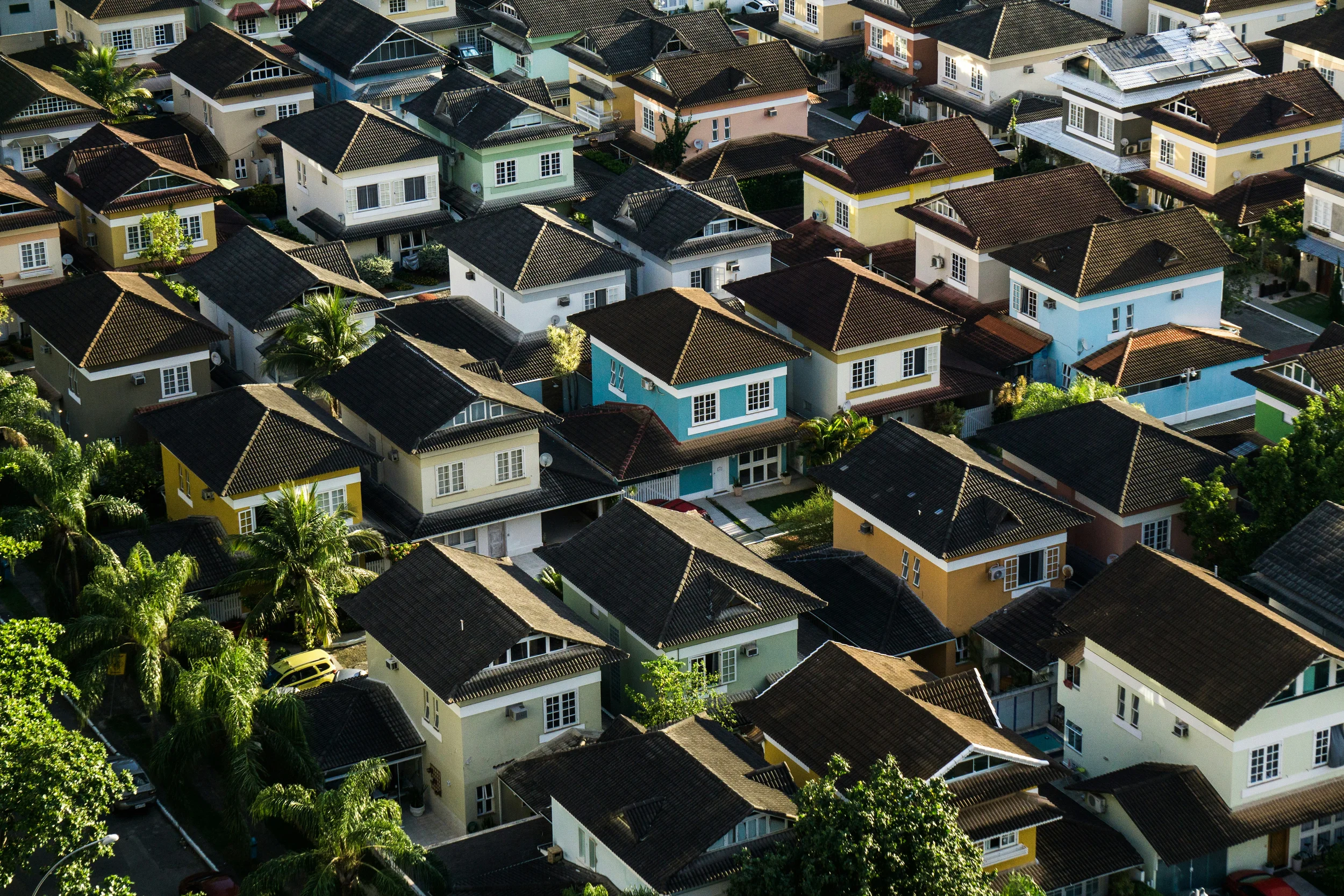
If you're looking for below-market real estate deals, foreclosed properties in the Philippines deserve a closer look. These are properties that banks, government financing institutions, or private lenders have repossessed from borrowers who defaulted on their loans. Because lenders are motivated to recover losses quickly, foreclosed homes and lots are often priced 20–40% below current market value, making them attractive to budget-conscious buyers and property investors alike.
Buying a foreclosed property in the Philippines is not as straightforward as a regular purchase, however. Understanding the process, the risks, and where to look is essential before committing to any deal.
Where to Find Foreclosed Properties in the Philippines
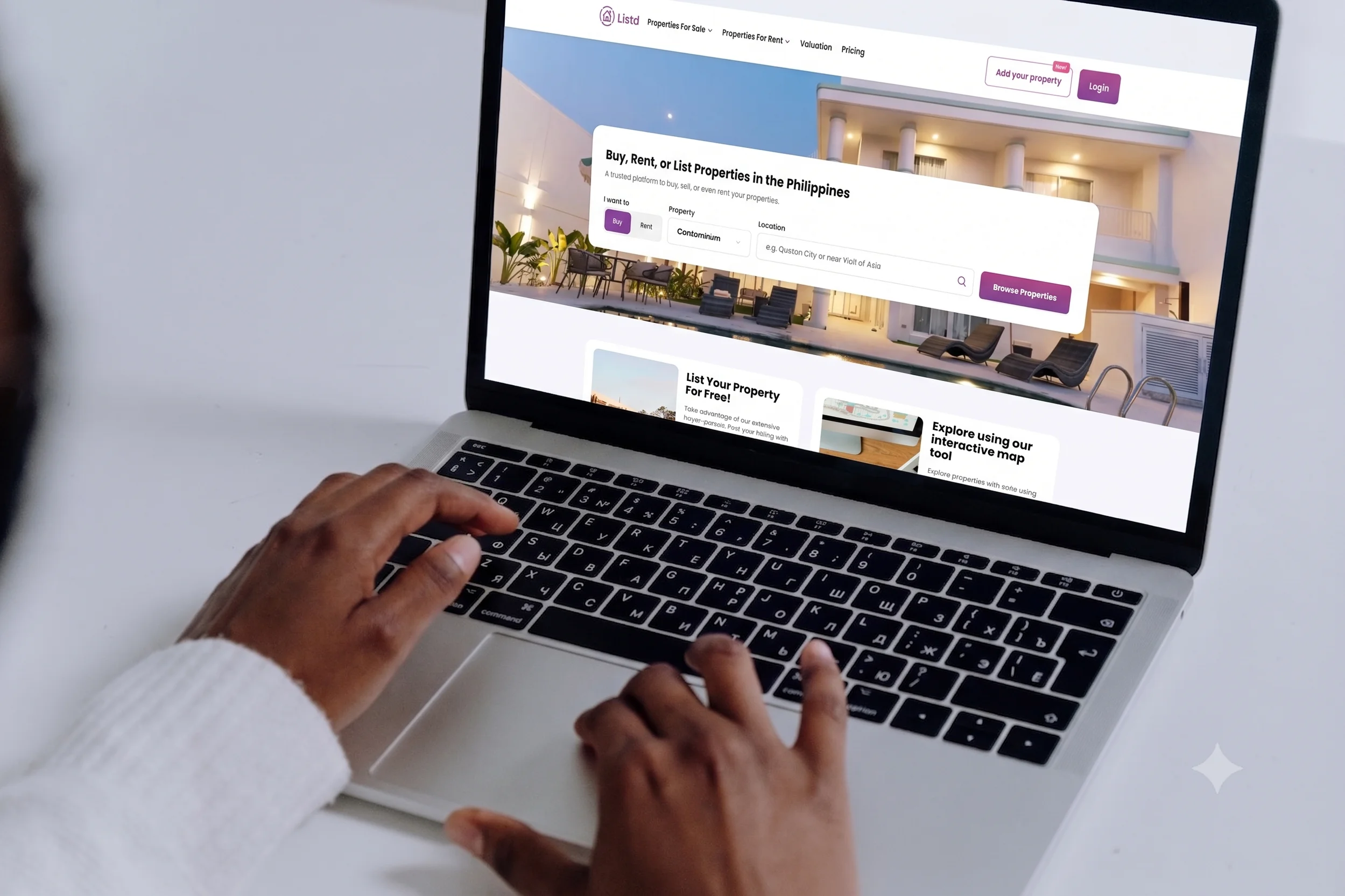
Major commercial banks maintain searchable online databases of their repossessed assets, updated monthly. BDO, BPI, Metrobank, PNB, UnionBank, and Security Bank all publish lists of foreclosed properties available for negotiated sale or auction. The Pag-IBIG Fund (HDMF) holds regular Online Public Auctions (OPA) open to fund members and OFWs, while the SSS lists foreclosed real estate through quarterly negotiated sale schedules. Third-party platforms aggregate listings from multiple banks and institutions, making it easier to search by location, price range, or property type. These platforms are a practical starting point for first-time buyers exploring the foreclosed property market.
How Foreclosed Properties Are Sold
There are two primary methods lenders use to sell foreclosed properties in the Philippines. The first is a negotiated sale, where the lender sets a fixed asking price and invites qualified buyers to submit their offer along with the required documents. This is the more accessible route for first-time buyers.
The second method is a public or sealed-bid auction, where interested buyers submit competing bids and the highest qualifying offer wins. Pag-IBIG conducts its auctions entirely online, which means OFWs abroad can participate without needing to be physically present in the Philippines.
Step-by-Step: How to Buy a Foreclosed Property
Start by searching and shortlisting properties within your budget and preferred location using bank websites or aggregator platforms. Once you have identified a candidate, conduct due diligence, visit the property in person if possible and secure a title search at the Registry of Deeds to check for liens, encumbrances, or pending legal cases.
Confirm that utilities such as water and electricity are accessible, and verify that the land use classification matches your intended purpose. Once satisfied, follow the lender's submission process to place your offer or bid. Having pre-approved financing or ready cash strengthens your position, as banks may not always finance their own foreclosed properties.
After acceptance, you will proceed to payment and title transfer. The lender will issue a Deed of Absolute Sale, after which you will pay the applicable taxes at the BIR, including documentary stamp tax, before registering the transfer at the Registry of Deeds.
Key Risks of Buying Foreclosed Properties
Foreclosed properties are sold on an as-is basis, the lender provides no warranty on the property's physical condition. Budget for potential repair and renovation costs before making any financial commitments. Some properties may also still be occupied by the former owner or tenants, and resolving occupancy disputes through proper legal channels can be a slow and costly process.
Be aware that outstanding real property tax (RPT) arrears attached to the property typically become the buyer's responsibility upon transfer. Hidden title defects are another concern, a thorough title search and the guidance of a licensed real estate lawyer or broker are strongly recommended.
Is Buying a Foreclosed Property Worth It?
For buyers who conduct proper due diligence, foreclosed properties in the Philippines can represent significant value. Savings against market price, combined with flexible payment terms offered by some lenders, make this an accessible path for first-time buyers and seasoned investors alike. The key is patience, rigorous research, and working with professionals experienced in distressed asset transactions.
Browse current foreclosed property listings and connect with experienced real estate specialists at Listd.ph to find options that match your budget and goals. Speaking with a licensed broker before placing any offer can save you time, money, and legal complications down the line.
Disclaimer: This article is for general informational purposes only and does not constitute legal or financial advice. Please consult a licensed real estate professional or legal adviser before making any property investment decisions.
About the Author


Enjoyed this article? Share it with others.
Latest Posts

How to Buy Agricultural Land in the Philippines: A Complete Buyer's Guide
Thinking of buying farm land in the Philippines? Learn DAR rules, CLOA title risks, land conversion, and the buyer due diligence steps that protect your money.
How to Write a Real Estate Listing That Sells in the Philippines
Learn how to write a property listing that sells fast in the Philippines — headlines, descriptions, photos, and CTAs that turn casual browsers into buyers.

How to Verify a Land Title in the Philippines: A Buyer's Step-by-Step Guide
Learn how to verify a land title in the Philippines, spot fake or doubled titles, and get a Certified True Copy from the Registry of Deeds before you buy.

BIR eCAR in the Philippines: What It Is and How to Get One
What the BIR eCAR is, the documents you need, taxes to pay, and the step-by-step process to transfer a property title in the Philippines without delays.

Should You Buy a Condo Parking Slot in the Philippines? Costs, Title Rules, and What to Check
Should you buy a condo parking slot in the Philippines? Learn the real costs, separate CCT title rules, and what to check before you pay.
Stay Updated on Market Trends
Get the latest real estate insights, investment tips, and market analysis delivered to your inbox every week.
Join 10,000+ subscribers. No spam, unsubscribe anytime.