How to Evaluate a Property Developer in the Philippines Before You Buy

Key Takeaways: |
|---|
Always verify a developer's License to Sell (LTS) and Certificate of Registration (CR) with the DHSUD. |
Research the developer's track record for delayed turnovers or abandoned projects. |
Ensure the land title (TCT) is clean and registered under the developer's name. |
Understand your rights under the Maceda Law for installment purchases. |
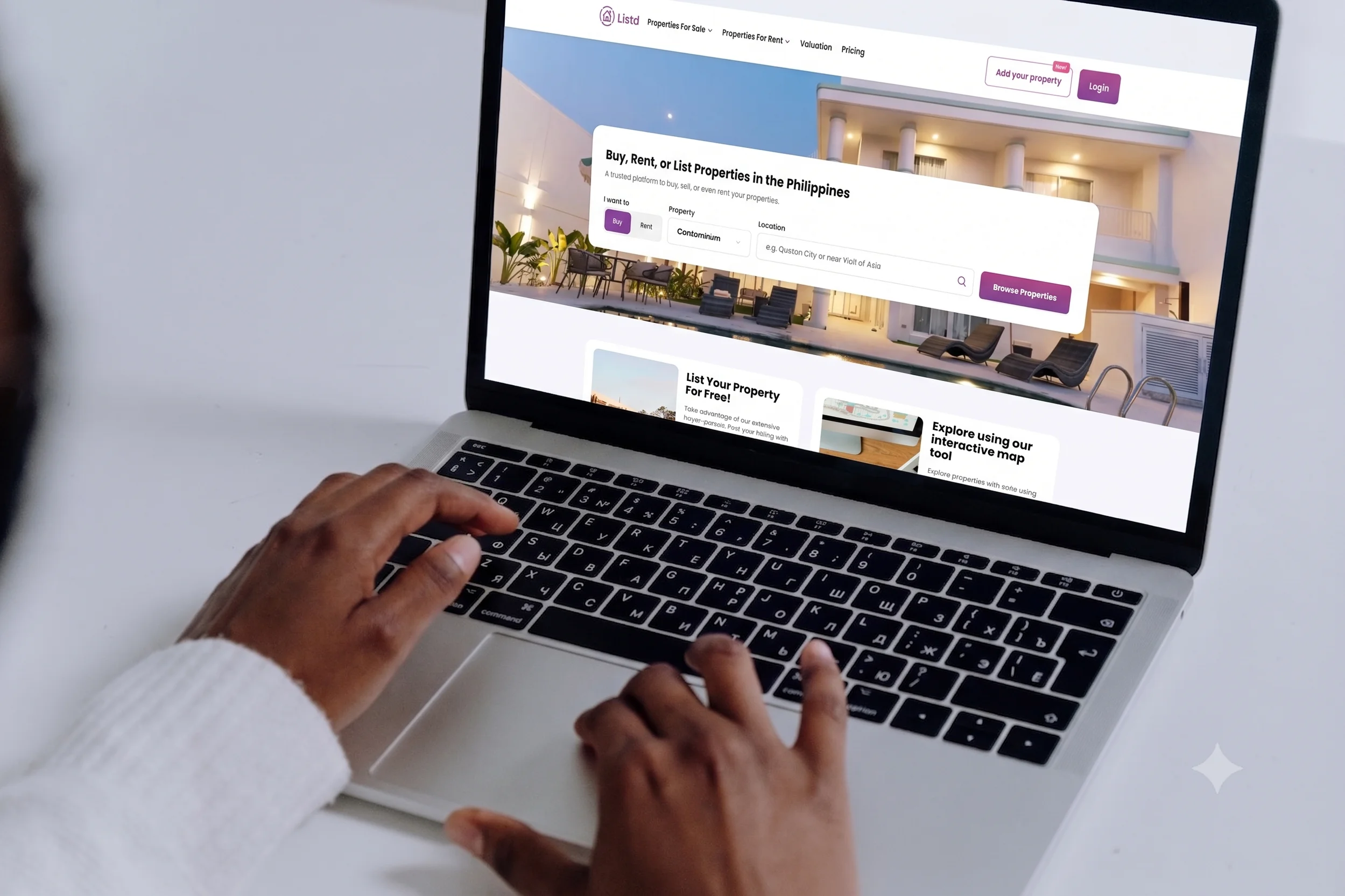
Use trusted platforms like Listd.ph to discover properties from pre-vetted, accredited developers. |
Buying a home is one of the biggest financial decisions you'll ever make. In the local market, who you buy from matters just as much as what you're buying. Developers vary widely in credibility, project quality, and financial stability. A reputable property developer in the Philippines delivers your unit on time and as promised. A bad one can leave you stuck in a legal battle, paying for a unit that may never be turned over.
This guide walks you through exactly how to vet a real estate developer so you can invest with absolute confidence.
Why Choosing the Right Property Developer Matters
The Philippine real estate market relies heavily on pre-selling—meaning buyers commit to a property months or even years before it is built. This setup depends entirely on trust. Once you sign a Contract to Sell and start paying your monthly equity, your hard-earned money is tied to that developer.
Delayed turnovers, substandard finishes, and abandoned projects are real risks. Fortunately, the government has strict safeguards in place. As a buyer, knowing how to use these tools is your best protection.
Step 1: Verify the Developer's DHSUD Credentials
The Department of Human Settlements and Urban Development (DHSUD)—formerly HLURB—is the primary regulatory body overseeing real estate development in the Philippines. Before entertaining any sales pitch, verify these two critical documents:
Certificate of Registration (CR): Confirms the project is legally registered with the government.
License to Sell (LTS): Authorizes the developer to market and sell units for that specific project.
Important: Without a valid LTS, a property developer in the Philippines is not legally allowed to collect reservation fees or down payments from buyers.
How to Verify:
Visit the official DHSUD website to access the updated list of projects with a valid License to Sell.
Check that the CR and LTS numbers are clearly printed on all marketing brochures, reservation agreements, and the Contract to Sell.
Step 2: Research the Developer's Track Record
A developer's past behavior is your best predictor of future performance. Don't just look at their glossy 3D renders; look at their history.
Inspect Completed Projects: Did they turn over previous condos or subdivisions on time? Are the promised amenities actually functional?
Look for Complaint Patterns: Search the developer's name online alongside keywords like "delayed turnover," "undelivered unit," or "DHSUD complaint."
Check DHSUD Standing: The agency publicly posts cease-and-desist orders and suspension notices against non-compliant developers.
Review Financial Stability: Publicly listed developers (like Ayala Land, SM Prime, DMCI, or Robinsons Land) have publicly available audited financial statements. A financially healthy developer is less likely to halt construction due to bankruptcy.
Step 3: Inspect the Project and the People
Even if you are dealing with a top-tier developer, every project is unique and requires its own due diligence.
Visit the Site: For pre-selling projects, there should be visible groundwork, fencing, or heavy machinery on site.
Review Approved Plans: The unit cuts, floor areas, and amenities advertised by the broker must match the official plans submitted to the DHSUD.
Check the Land Title: The Transfer Certificate of Title (TCT) for the project site should be clean and registered under the developer's corporate name.
Verify Your Broker: The person handling your transaction must be a licensed real estate broker or an accredited salesperson. You can verify their PRC (Professional Regulation Commission) license number at prc.gov.ph.
Step 4: Scrutinize the Contract to Sell (CTS)
Once you are ready to commit, read every single line of the Contract to Sell. Key clauses to watch out for include:
Turnover Date: Is the exact month and year clearly stated? Does the contract stipulate a reasonable penalty if the developer delays the turnover?
Unit Specifications: Are the finishes, fixtures, and exact square footage explicitly detailed?
Default and Refund Policies: What happens if the project is cancelled?
Maceda Law Rights: Republic Act 6552 (The Realty Installment Buyer Act) gives buyers specific protections, including a mandatory grace period and a right to a partial refund (usually 50% of total payments) if you have paid at least two years of installments and decide to cancel.
Pro Tip: If you find the legal jargon overwhelming, hire a licensed real estate lawyer to review the CTS before you sign.
Step 5: Red Flags to Watch Out For
Walk away immediately if you encounter any of these warning signs:
No LTS or CR provided, or the agent is evasive when you ask for the numbers.
High-pressure sales tactics urging you to "reserve now, verify later."
Prices that are suspiciously below current market rates for the location.
Payments are directed to a personal bank account rather than the developer's official corporate account.
No visible construction activity for a project that has been pre-selling for over a year.
Agent promises (like free parking or waived fees) that they refuse to put in writing.
A Quick Developer Vetting Checklist
Screenshot or save this checklist before you pay a reservation fee:
[ ] Verified Certificate of Registration (CR) with DHSUD
[ ] Verified License to Sell (LTS) for the specific project/phase
[ ] Confirmed the land title (TCT) is in the developer's name
[ ] Researched buyer feedback on completed projects
[ ] Confirmed no active DHSUD cease-and-desist orders
[ ] Verified the real estate broker's PRC license
[ ] Read and understood the Contract to Sell and Maceda Law rights
[ ] Ensured all verbal promises are documented in writing
Final Thoughts
Choosing the right property developer in the Philippines is about more than falling in love with a model unit or a flexible payment scheme. It requires active due diligence—verifying licenses, digging into track records, and trusting your gut when a deal seems too good to be true.
Want to skip the guesswork? At Listd.ph, we make your property journey smarter and safer. Browse our platform to discover curated, high-quality listings from accredited and verified developers in the Philippines.
Start your secure property search on Listd.ph today!
Sources: DHSUD, PRC, Presidential Decree 957, Republic Act 6552 (Maceda Law)
About the Author

Enjoyed this article? Share it with others.
Latest Posts

PEZA-Accredited Buildings in the Philippines: What Property Buyers and Investors Need to Know
Discover what PEZA-accredited buildings are, their tax incentives under CREATE MORE, top locations in BGC, Makati & Cebu, and why they matter for real estate investors.

Living in BGC: A Complete Neighborhood Guide
Thinking of living in BGC? Discover everything about the Bonifacio Global City neighborhood—condo prices, schools, commute, dining, and prime real estate.

Pag-IBIG Raises Housing Loan to P10M: What Buyers & Brokers Need to Know
Pag-IBIG Fund raised its housing loan ceiling to P10 million. Here's what the new rates, terms, and condo glut mean for Filipino homebuyers, brokers, and developers.

BGC Office Market 2026: What the Data Means for Condo Buyers Near Bonifacio Global City
Savills 1Q 2026 data shows BGC office vacancy at just 8.0%. Discover what tightening supply and rising rents mean for condo prices and investments near Bonifacio Global City.

Complete Guide to Taxes and Fees When Buying Property in the Philippines
Buying property in the Philippines? Learn the full breakdown of taxes, fees, and closing costs so you can budget accurately before you sign.

Real Estate Broker Lead Generation in the Philippines: Top Strategies for 2026
Discover proven lead generation strategies for real estate brokers in the Philippines. Attract more buyers and sellers with digital tools, AI platforms, and smart outreach tactics.

Condo HOA Fees in the Philippines: What's Covered, What's Not, and Your Rights as an Owner
Understand condo association dues in the Philippines — what's covered, rate ranges by area, your legal rights as an owner, and how to dispute illegal increases.

Commercial Space Checklist: What Top-Tier Tenants in Metro Manila Actually Demand
What do corporate tenants really want? From advanced EV charging to smart HVAC and bulletproof connectivity, discover the ultimate office space checklist for Metro Manila.

How to Spot Real Estate Scams in the Philippines: A Buyer's Protection Guide
Learn to protect yourself from property fraud in the Philippines — from fake titles to ghost projects. Includes step-by-step verification guides and legal remedies.

What the National Land Use Act Means for Property Buyers and Investors in the Philippines
The Philippines' National Land Use Act (NLUA) just passed the House. Here's what it means for buyers, investors, and developers in the property market.

Living in Mandaluyong: A Complete Neighborhood Guide
Explore our complete guide to living in Mandaluyong. Discover top neighborhoods, property prices, and lifestyle perks. Find your next home on Listd.ph!

Living in Alabang: A Complete Neighborhood Guide
Weighing a move to the south? Discover if living in Alabang is right for you with our data-driven guide to neighborhoods, schools, and property prices.

Capital Gains Tax in the Philippines: A Complete Guide for Property Sellers
Learn how capital gains tax works in the Philippines for property sellers - computation, exemptions, filing steps, and the full cost-of-selling breakdown.

Bank Housing Loan Philippines: A Complete Guide
Compare 2026 bank housing loan rates in the Philippines — BDO, BPI, Metrobank, and more. Find out which bank fits your profile and how to apply.

Living in Pasig City: A neighborhood and property guide
Weighing your Metro Manila options? Discover if living in Pasig City is right for you with our data-driven guide to neighborhoods, commutes, and property prices.

How to sell bare units faster with AI virtual staging
Help buyers see the potential of empty spaces. Learn how AI virtual staging allows brokers to transform bare units online while maintaining client trust.

Labor Day 2026: Securing the Filipino worker's dream of homeownership
Protect your hard-earned savings. This Labor Day, learn how Filipino workers can safely secure their dream home through the Pag-IBIG housing program.

When Supply Outpaces Demand: Navigating Metro Manila’s Condo Market in a High-Rate Environment
Protect your condo investment. Learn how to navigate Metro Manila's current oversupply and rising interest rates with strategic pricing and leasing options.

Condo pressures spur developer diversification
Navigate shifting market trends safely. Learn how current condo pressures are pushing Philippine developers to diversify and what it means for property buyers.

How to sell your property in the Philippines: A complete guide
Avoid costly surprises. Learn the step-by-step process of selling your property in the Philippines, from navigating seller taxes to safe title transfers.

A First-Time Homebuyer’s Guide to Buying Property in the Philippines
Buying your first home in the Philippines? Learn how to set a budget, choose between Pag-IBIG and bank loans, compute closing costs, and process your title.

Living in Makati: A Complete Neighborhood Guide
Thinking of living in Makati? Explore the best neighborhoods, average condo prices, commute tips, and lifestyle perks in the Philippines' financial capital.

Where to Buy a Vacation Home in the Philippines
Discover the top places to buy a vacation home in the Philippines. Compare actual prices, rental yields, and hidden property risks before you invest. Learn more.

TCT vs. CCT: What Every Filipino Property Buyer Should Know
Buying property in the Philippines? Learn the critical differences between a Transfer Certificate of Title (TCT) and a Condominium Certificate of Title (CCT) before you sign.

OFW Property Investment in the Philippines
Secure your hard-earned savings. Discover the safest ways for OFWs to invest in Philippine real estate, verify properties, and build a future back home.

Real Property Tax in the Philippines: Complete Guide
Learn everything about real property tax (amilyar) in the Philippines - how to compute it, when to pay, and how to avoid penalties.

Preselling vs. Ready-for-Occupancy Condo in the Philippines: Which Is Right for You?
Preselling vs. RFO condo: which is right for you? Discover the pros, cons, and legal protections every Philippine property buyer needs to know before signing.

Foreclosed Properties in the Philippines: A Buyer's Guide
Looking to buy foreclosed properties in the Philippines? Learn how to find, bid on, and buy bank-owned or Pag-IBIG foreclosures at below-market prices.

How to get an online property valuation report in the Philippines
Learn how to get an accurate online property valuation report in the Philippines. Discover the Listd.ph AI valuation tool to make confident real estate decisions.

Rental Property Investment: How to Evaluate a Property Before You Buy
Master your next rental property investment in the Philippines. Learn how to evaluate rental property, calculate yield, and run proper due diligence.

How to Choose the Right Property Manager (A Guide for First-Time Investors)
Not sure how to choose a property manager? This guide covers fees, screening, staff ratios, and communication standards to help first-time investors get it right.

Is It a Good Time to Buy Property in 2026? What the Market Is Telling Us
Thinking of buying property in 2026? Here's an honest look at interest rates, inventory levels, and market signals to help you decide if now is the right time.

The modern-day hero's guide to safe property investing in the Philippines
Protect your hard-earned remittances. Discover the safest way for OFWs to invest in Philippine real estate, avoid scams and verify developers with Listd.ph.

Rent to Own House Philippines: The Complete Guide
Everything you need to know about rent to own homes in the Philippines — how it works, what to watch out for, and how to find the best deals. Check it here.

PagIBIG Housing Loan Requirements for Self-Employed Applicants Checklist
Essential Pag-IBIG housing loan requirements. Learn how to prep your HLAF, valid IDs, and selfie for a faster application. Start your home journey now!

How to apply for a house loan through Pag-IBIG: A step-by-step guide
Turn your dream home into reality. Discover how the Pag-IBIG housing loan offers the most accessible path to homeownership in the Philippines. Learn more!

Cost of renting an apartment in the Philippines
Determining the cost of renting an apartment in the Philippines is complex. Navigate the rental market, move-in fees, and location variables confidently.

Cost of building a house in the Philippines
Learn the vital factors influencing your 2026 home construction budget in the Philippines. Gain insights on material costs, budgeting, and planning your ideal house.

Buying a House as an Unmarried Couple in the Philippines: A Safety Guide
Buying a house in the Philippines as an unmarried couple? Learn the essential legal differences (Article 147 vs 148), titling options, and 3 key steps to protect your investment. Secure your future home.

BIR Zonal Values in the Philippines 2026: The Essential Property Seeker's Guide
Avoid hidden property costs. Learn what BIR zonal values are, how to easily check them online, and how they impact your real estate taxes in the Philippines.

Condo for Sale in the Philippines: The Complete Buyer's Guide
Searching for a condo for sale in the Philippines? Discover 2026 prices, bank rates, hidden costs, the 50-year rule explained, and a step-by-step buying checklist.

The Ultimate House Buying Checklist: Don’t Buy a Home Without It
Buying a home in the Philippines? Master the process with our 6-phase checklist. From Pag-IBIG readiness to title transfers, ensure a safe and secure purchase.
Stay Updated on Market Trends
Get the latest real estate insights, investment tips, and market analysis delivered to your inbox every week.
Join 10,000+ subscribers. No spam, unsubscribe anytime.