Pag-IBIG Raises Housing Loan to P10M: What Buyers & Brokers Need to Know

The Philippine real estate market just got a significant shot of momentum. Pag-IBIG Fund has officially raised its maximum housing loan ceiling to P10 million, up from its previous limit — a move that reshapes the financing landscape for middle-income homebuyers and opens up a major opportunity window across the condo market.
Here's everything you need to know and why it matters right now.
The Big Picture: Why Pag-IBIG Made This Move
The timing is deliberate. Metro Manila is sitting on a significant condo oversupply — property analyst Colliers estimates 6.8 years' worth of unsold residential inventory in the metro, with nearly 13,000 new condominium units still set for completion this year alone. That's a lot of ready-for-occupancy units waiting for the right buyer at the right price.
The loan ceiling hike is Pag-IBIG's direct response to this glut. It's also anchored to President Ferdinand Marcos Jr.'s flagship "4PH" (Pambansang Pabahay Para sa Pilipino) housing program, which aims to deliver mass housing solutions across the country.
Housing Secretary and Pag-IBIG board chair Jose Ramon Aliling put it plainly: "This is also our call to developers: let us make the numbers meet."
What's Changed: The New Loan Terms
Here's a quick breakdown of the updated Pag-IBIG housing loan structure:
Feature | Details |
|---|---|
New Maximum Loan Amount | P10,000,000 |
Loan Term | Up to 30 years |
Market Rate (Middle-Income) | Starting at 5.75% per annum |
Subsidized Rate (Socialized Housing) | 3% per annum |
Eligibility | Subject to capacity-to-pay evaluation |
Pag-IBIG CEO Marilene Acosta noted that for many urban families, the monthly amortization on a reasonably priced home under these terms can actually come in lower than their current monthly rent — a compelling value proposition for fence-sitters who've been delaying their buying decision.
What This Means for Homebuyers
If you've been eyeing a mid-range condo in BGC, Makati, Quezon City, or other urban centers but felt boxed out by financing limits, this is a direct game-changer.
Key takeaways for buyers:
More buying power. The P10M ceiling now brings a wider range of metro condo units within reach of Pag-IBIG financing — properties that previously required full bank financing or bridging loans.
Competitive rates. At 5.75% starting rate, Pag-IBIG remains highly competitive versus commercial bank offerings, especially for longer loan terms.
Buy vs. rent math. With 30-year terms, monthly amortizations on units priced between P3M–P7M could realistically be lower than prevailing rents in the same areas. Run the numbers — you might be closer to ownership than you think.
Strict capacity-to-pay rules still apply. Pag-IBIG has emphasized that all loans remain subject to rigorous income evaluation. Pre-qualify early to know exactly where you stand.
What This Means for Brokers and Agents
This is a demand catalyst — and smart brokers should be moving quickly to capitalize on it.
Re-engage cold leads. Buyers who previously couldn't secure sufficient Pag-IBIG financing for their target property may now qualify. Go back to your pipeline.
Expand your pitch for mid-range inventory. Units in the P4M–P9M range that previously required pure bank financing can now be presented with Pag-IBIG as a viable primary option — reducing friction in the closing process.
Know the new terms cold. Buyers will have questions. Be the broker who can walk them through the 5.75% rate, 30-year term, and capacity-to-pay process confidently.
Condo glut = negotiating leverage. With 6.8 years of inventory sitting in Metro Manila, developers are under pressure to move units. This is the moment to negotiate better packages for your clients.
What This Means for Developers
The message from Housing Secretary Aliling was direct: "We urge our developer-partners to recalibrate their prices, offer reasonable packages, and help bring their available units within the reach of Pag-IBIG Fund members."
This isn't just a nudge — it's a strategic opening. Developers sitting on large RFO (ready-for-occupancy) condo inventory now have a financing mechanism that can unlock a broader buyer pool, if unit prices are positioned to align with Pag-IBIG's loan amounts and buyers' actual capacity to pay.
Developers who move quickly to align pricing strategies and promotional packages with the new P10M ceiling will be best positioned to clear inventory before the next wave of completions arrives.
The Bottom Line
Pag-IBIG's P10M housing loan ceiling is one of the most significant policy updates in Philippine real estate financing in recent years. It comes at a critical juncture — as Metro Manila's condo glut deepens and the market needs a credible demand trigger to absorb supply.
For buyers, it's expanded access to affordable long-term financing. For brokers, it's a fresh wave of deal opportunities. For developers, it's a call to recalibrate and re-engage.
The market is moving. Are you positioned for it?
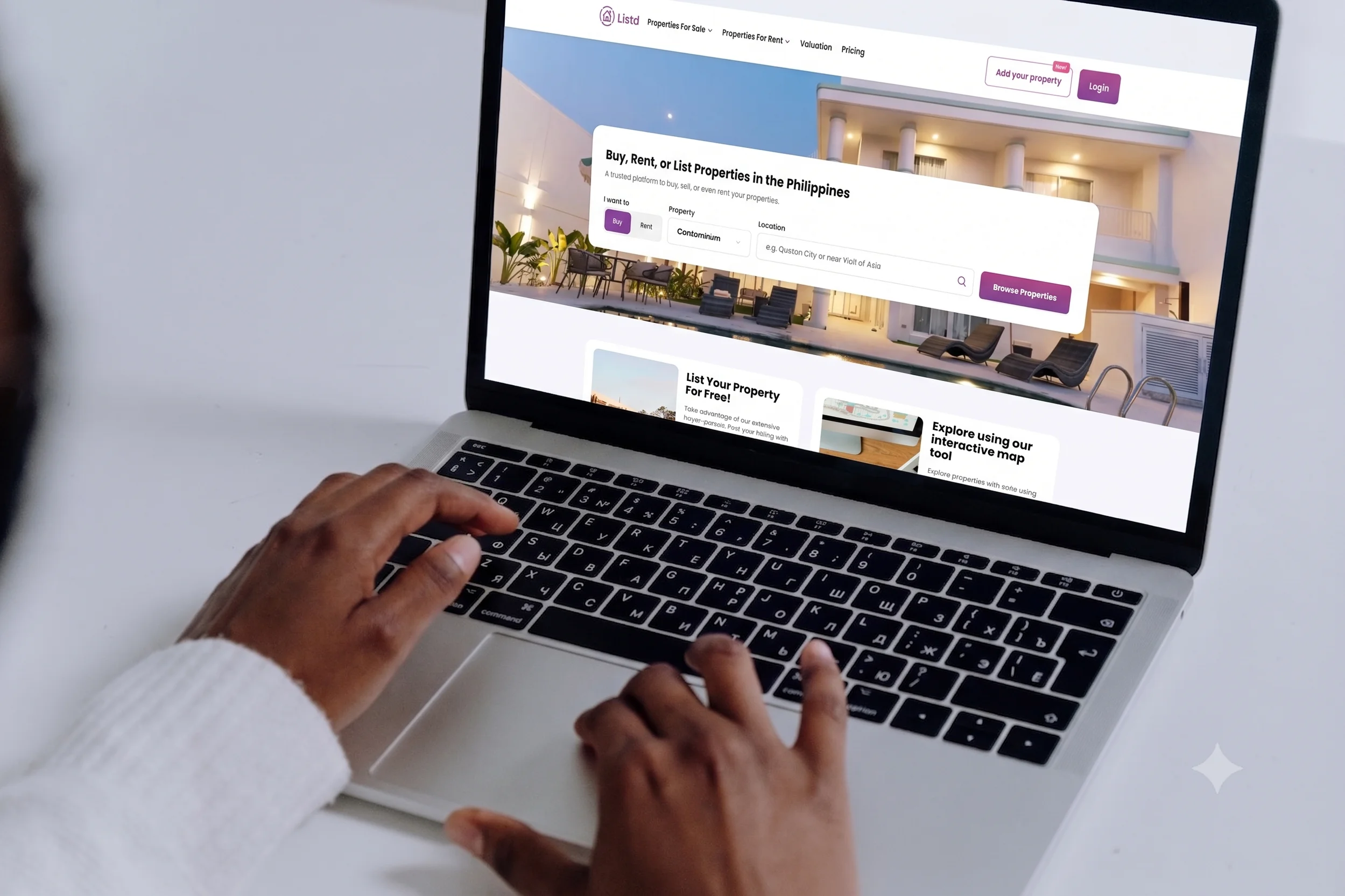
Explore condos and homes eligible for Pag-IBIG financing on Listd.ph — the Philippines' AI-powered property discovery platform.
About the Author


Enjoyed this article? Share it with others.
Latest Posts

How to Buy Agricultural Land in the Philippines: A Complete Buyer's Guide
Thinking of buying farm land in the Philippines? Learn DAR rules, CLOA title risks, land conversion, and the buyer due diligence steps that protect your money.
How to Write a Real Estate Listing That Sells in the Philippines
Learn how to write a property listing that sells fast in the Philippines — headlines, descriptions, photos, and CTAs that turn casual browsers into buyers.

How to Verify a Land Title in the Philippines: A Buyer's Step-by-Step Guide
Learn how to verify a land title in the Philippines, spot fake or doubled titles, and get a Certified True Copy from the Registry of Deeds before you buy.

BIR eCAR in the Philippines: What It Is and How to Get One
What the BIR eCAR is, the documents you need, taxes to pay, and the step-by-step process to transfer a property title in the Philippines without delays.

Should You Buy a Condo Parking Slot in the Philippines? Costs, Title Rules, and What to Check
Should you buy a condo parking slot in the Philippines? Learn the real costs, separate CCT title rules, and what to check before you pay.
Stay Updated on Market Trends
Get the latest real estate insights, investment tips, and market analysis delivered to your inbox every week.
Join 10,000+ subscribers. No spam, unsubscribe anytime.