PEZA-Accredited Buildings in the Philippines: What Property Buyers and Investors Need to Know
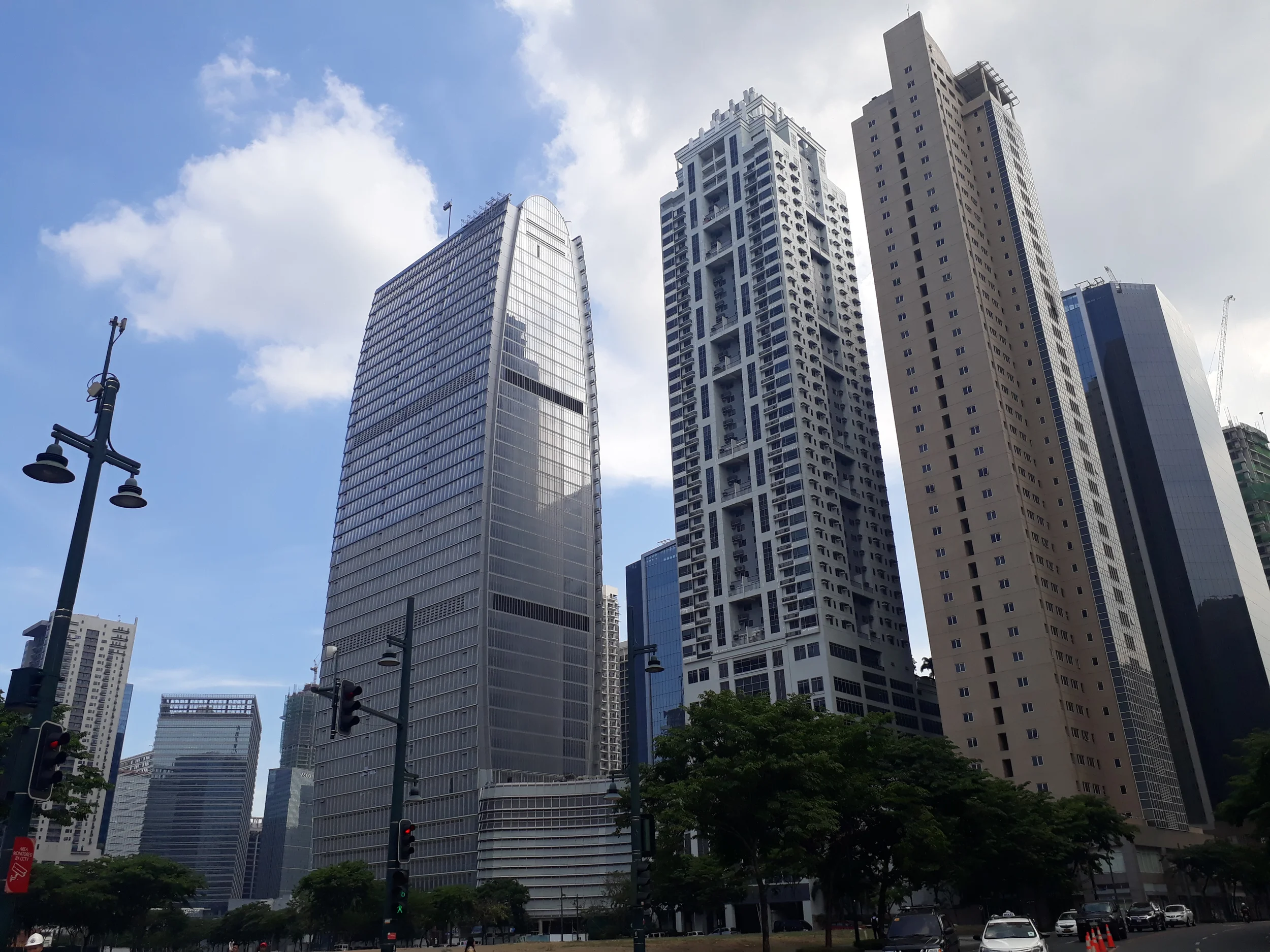
If you've been browsing commercial real estate listings or scouting office spaces for your business, you've probably seen the phrase "PEZA-accredited" thrown around a lot. But what does it actually mean — and more importantly, how does it affect your decision as a property buyer or investor?
This guide breaks it all down: what PEZA accreditation means, the incentives available under the newly enacted CREATE MORE Act, where these buildings are located, and what you should weigh before putting your money in.
What Is PEZA and Why Does It Matter for Real Estate?
The Philippine Economic Zone Authority (PEZA) is the government agency that promotes investments in export-oriented businesses by designating special economic zones across the country. Think of it as the gatekeeper for a set of powerful tax incentives — businesses that set up shop inside PEZA-accredited zones or buildings get access to fiscal benefits that significantly reduce their operating costs.
For real estate, this matters enormously. A building with PEZA accreditation is far more attractive to BPO companies, IT firms, export manufacturers, and multinational corporations — the very tenants that drive premium rental yields and long-term lease stability. As a result, PEZA-accredited buildings tend to command higher occupancy rates, stronger resale values, and more predictable income streams compared to non-PEZA office space.
What Is a PEZA-Accredited Building?
A PEZA-accredited building (also called a PEZA IT Building or PEZA ecozone building) is a commercial structure officially recognized by PEZA as a Special Economic Zone. When a developer gets their building PEZA-certified, it means the entire property — or designated floors within it — qualifies as a PEZA zone.
Businesses that register with PEZA and operate from within these buildings can then legally claim the full range of PEZA fiscal incentives.
There are two layers to understand:
The Building — The developer applies for PEZA accreditation and becomes a PEZA-registered IT Building Developer/Operator.
The Tenant — Individual businesses then register separately with PEZA as locators, declaring their operations and the incentives they intend to avail.
Both the building and the business must be PEZA-registered for the incentives to apply. A company cannot simply lease space in any building and claim PEZA benefits — it must be operating within an accredited property.
PEZA Incentives: What Tenants and Investors Gain
This is where the appeal gets concrete. PEZA incentives are among the most generous in Southeast Asia, and the CREATE MORE Act (signed November 2024) made them even better.
Fiscal Incentives
Income Tax Holiday (ITH) Registered businesses enjoy full exemption from corporate income tax for 4 to 7 years from the start of commercial operations. Under CREATE MORE, high-priority sectors can extend this to 8 years or more.
Special Corporate Income Tax (SCIT) After the ITH period, export enterprises can opt for a flat 5% Special Corporate Income Tax on gross income — a major reduction from the standard corporate income tax rate.
Enhanced Deductions (ED) Alternatively, PEZA locators can opt for enhanced deductions under CREATE MORE, which effectively reduces their taxable income significantly. The corporate income tax for ED-availing companies is reduced to 20%.
VAT Zero-Rating and Exemptions
Zero percent VAT on local purchases of goods and services directly used in registered activities
Tax and duty-free importation of equipment, raw materials, and supplies
Exemption from local government imposts, fees, and permits
Extended Incentive Periods CREATE MORE extended the maximum incentive package to 24 or 27 years for large-scale strategic projects (investments above ₱15 billion), giving long-term investors an unprecedented runway.
Non-Fiscal Incentives
Simplified import-export procedures
Special visa multiple-entry privileges for foreign nationals
Visa facilitation assistance for investors and their families
The CREATE MORE Act: What Changed in 2024–2025
The CREATE MORE Act (RA 12400), signed on November 11, 2024 and effective November 28, 2024, is the most significant update to PEZA's incentive framework since the original CREATE Act. Here's what it means for real estate investors and tenants:
Remote Work Flexibility One of the most impactful changes: IT-BPO firms can now retain their full PEZA tax benefits even with up to 50% of their employees working remotely. Previously, BPOs had to be fully office-based to maintain incentives — a major sticking point post-pandemic. This change stabilizes demand for PEZA office space while giving tenants operational flexibility.
Faster Approvals IPAs (Investment Promotion Agencies) like PEZA must now issue decisions on incentive applications within 20 working days, cutting bureaucratic delays that historically discouraged investors.
Longer Lease Rights for Foreign Investors In September 2025, the amended Investors' Lease Act (RA 12252) extended the maximum lease period for foreign investors on private land from 50 years to 99 years. This dramatically improves the business case for long-term foreign investment in PEZA-accredited properties.
Priority Sectors with Extended ITH Sectors like artificial intelligence, medical devices, and sustainable manufacturing now qualify for extended income tax holidays, making PEZA buildings that cater to these industries increasingly attractive investment targets.
Where Are PEZA-Accredited Buildings Located?
PEZA-accredited buildings are concentrated in major business districts and secondary cities that have established tech and BPO ecosystems.
Metro Manila
Bonifacio Global City (BGC), Taguig BGC has 17+ operating economic zones. Key PEZA-accredited buildings include Bonifacio Technology Center, EcoTower, World Plaza, Sun Life Centre, and Picadilly Star. BGC continues to attract premium multinational tenants and commands some of the highest office rental rates in the country.
Makati CBD With over 35 operating economic zones, Makati is the most PEZA-dense business district in the country. Notable buildings include PBCom Tower, the Zuellig Building, and multiple Glorietta BPO towers.
Ortigas Center (Pasig/Mandaluyong) A major hub for mid-market BPOs and shared services companies. PEZA-accredited buildings here offer lower per-sqm rates than BGC or Makati while still drawing strong tenant demand.
Alabang, Muntinlupa Growing as a preferred southside alternative, with multiple PEZA IT buildings attracting back-office and BPO operations from companies looking to reduce real estate costs while staying within Metro Manila.
Quezon City, Pasay, and Parañaque Additional pockets of PEZA-accredited developments, particularly around Bay City and the Eastwood district.
Outside Metro Manila
Cebu IT Park and Cebu Business Park Cebu is the largest BPO hub outside Metro Manila. Both Cebu IT Park and Cebu Business Park have PEZA designation and host dozens of global and regional BPO operations.
Clark, Pampanga A growing alternative to Metro Manila, with PEZA economic zones attracting light manufacturing and IT services.
Davao, Cagayan de Oro, Iloilo, Bacolod PEZA-accredited IT buildings in these provincial cities are expanding rapidly, driven by lower labor and real estate costs — and a growing talent pool from regional universities.
What Does It Take for a Building to Get PEZA Accreditation?
Developers don't just apply and get approved — there are strict infrastructure and compliance requirements that PEZA-accredited buildings must meet. This is part of why PEZA buildings tend to be premium, well-maintained properties.
Key building requirements include:
Telecommunications infrastructure — Structured cabling (minimum Category 6A), diverse telco entry points from at least two carriers
IT infrastructure — Dedicated server rooms with raised floors, precision cooling, and access control
Power redundancy — Reliable backup power systems (generators + UPS), critical for 24/7 BPO operations
Fire safety — Fire alarm systems, sprinkler systems, and clean-agent fire suppression in server rooms; emergency egress designed for round-the-clock occupancy
Building permits and occupancy — PEZA-registered enterprises must secure Occupancy Permits and Electrical/Mechanical Permits to Operate before commencing operations
This infrastructure baseline is why PEZA buildings are typically in better condition than generic commercial office stock — and why they retain value better over time.
Why PEZA Accreditation Matters for Property Buyers and Investors
If you're evaluating commercial real estate in the Philippines, here's how PEZA status directly affects your investment calculus:
Higher Demand, Stronger Occupancy BPOs, IT firms, and multinational corporations specifically seek out PEZA-accredited buildings because their operations require PEZA registration to access tax incentives. This concentrated demand pool translates to lower vacancy rates for PEZA properties versus non-PEZA equivalents.
Premium Rental Yields PEZA buildings command higher per-sqm lease rates because of the value they deliver to tenants. In BGC, for example, PEZA office space consistently outprices non-PEZA office space in the same submarket.
Tenant Quality and Stability The tenant base of PEZA buildings skews toward well-funded, credit-worthy organizations — Fortune 500 companies, major Philippine conglomerates, and established BPO groups — who sign longer leases and are less likely to default.
Exit Options PEZA-accredited assets are easier to sell to institutional buyers. REITs (Real Estate Investment Trusts) in the Philippines — like MREIT and AREIT — specifically target PEZA-accredited office properties as core portfolio holdings, giving investors a natural exit path.
Future-Proofing Post-CREATE MORE With remote work flexibility now baked into PEZA's incentive framework, office demand from BPOs is more resilient than it appeared during the peak-WFH period of 2020–2022. PEZA buildings are positioned as the preferred "hub" space even for hybrid-work organizations.
Risks and Considerations Before You Invest
PEZA accreditation isn't a guaranteed profit machine. Here are the factors to weigh carefully:
Oversupply in Key Submarkets Metro Manila, particularly BGC and Makati, has seen significant office stock additions in recent years. While PEZA buildings maintain a demand premium, rising vacancy in the broader market can still put downward pressure on rents. Research submarket-level absorption rates before committing.
Accreditation Is Not Permanent PEZA accreditation is subject to renewal and compliance. A building that fails to maintain required infrastructure or has compliance issues can lose its PEZA status — and with it, the tenant premium that justifies a higher valuation.
Regulatory Risk Tax incentive frameworks can change. While the CREATE MORE Act recently improved incentives, future legislative changes could alter the calculus. Diversifying across asset classes remains prudent.
Minimum Investment Thresholds Whole-building or significant floor-plate investments in PEZA-accredited buildings are typically institutional-scale transactions. For individual investors, REITs offer a more accessible entry point to the same asset class.
Frequently Asked Questions
Can a condo unit be PEZA-accredited? Residential condominium units themselves are not eligible for PEZA accreditation. PEZA covers commercial, industrial, and IT park developments. However, mixed-use developments with a commercial tower component can have PEZA-accredited floors within the commercial building.
Can a foreign company lease space in a PEZA-accredited building? Yes. Foreign-owned enterprises are eligible to register with PEZA and lease space in accredited buildings. Under the amended Investors' Lease Act, foreign investors can now lease private land for up to 99 years, significantly improving the terms for long-term foreign-operated facilities.
Can I buy a unit in a PEZA-accredited building as an individual investor? Some PEZA-accredited buildings sell individual office units, similar to a commercial condominium model. These can be purchased and then leased to PEZA-registered tenants. However, the tenant (not the building owner) is the PEZA registrant — so the tax incentives flow to your tenant, not to you directly as the owner. Your benefit as the owner is the premium rental income and stronger asset liquidity.
How do I know if a specific building is PEZA-accredited? PEZA publishes a list of registered zones and buildings on its official website (peza.gov.ph). You can also verify status directly with PEZA's registration unit or through a licensed real estate broker who specializes in commercial properties.
What is the difference between a PEZA IT Building and a PEZA IT Park? A PEZA IT Building is a single accredited structure. A PEZA IT Park is a larger development — typically a multi-building campus or district — that has been designated as an economic zone. Companies operating within either can register as PEZA locators. IT Parks generally offer more amenities and space flexibility.
The Bottom Line
PEZA accreditation is one of the most reliable quality signals in Philippine commercial real estate. Whether you're a developer, an investor, or a business owner scouting your next office, understanding what it means — and what it unlocks — gives you a significant edge.
For investors, PEZA-accredited buildings represent a more liquid, institutionally validated asset class with a differentiated demand profile. For businesses, they're often the most cost-efficient path to operating a profitable enterprise in the Philippines when tax incentives are properly structured.
With the CREATE MORE Act now in force, the incentive framework is better than it's been in years. If you're actively looking at PEZA properties in the Philippines, there's no better time to get familiar with the landscape.
Looking for PEZA-accredited commercial spaces or investment properties in the Philippines? Browse listings on Listd.ph and connect with brokers who specialize in PEZA-zone properties.
About the Author


Enjoyed this article? Share it with others.
Latest Posts
How to Buy Agricultural Land in the Philippines: A Complete Buyer's Guide
Thinking of buying farm land in the Philippines? Learn DAR rules, CLOA title risks, land conversion, and the buyer due diligence steps that protect your money.

How to Write a Real Estate Listing That Sells in the Philippines
Learn how to write a property listing that sells fast in the Philippines — headlines, descriptions, photos, and CTAs that turn casual browsers into buyers.

How to Verify a Land Title in the Philippines: A Buyer's Step-by-Step Guide
Learn how to verify a land title in the Philippines, spot fake or doubled titles, and get a Certified True Copy from the Registry of Deeds before you buy.

BIR eCAR in the Philippines: What It Is and How to Get One
What the BIR eCAR is, the documents you need, taxes to pay, and the step-by-step process to transfer a property title in the Philippines without delays.

Should You Buy a Condo Parking Slot in the Philippines? Costs, Title Rules, and What to Check
Should you buy a condo parking slot in the Philippines? Learn the real costs, separate CCT title rules, and what to check before you pay.
Stay Updated on Market Trends
Get the latest real estate insights, investment tips, and market analysis delivered to your inbox every week.
Join 10,000+ subscribers. No spam, unsubscribe anytime.