Condo Unit Turnover in the Philippines: What to Check Before You Accept Your Keys

You've been paying amortization for years. The developer finally calls — your unit is ready for turnover. Before you sign anything or accept those keys, take a breath. Turnover day is one of the most important moments in the entire property-buying journey, and what you do (or don't do) in the next few hours can affect your home for years.
This guide walks you through the complete condo turnover process in the Philippines: what to inspect, what documents to get, what fees to expect, and what to do if something is wrong.
What Is Condo Turnover?
Condo turnover is the formal process where the developer delivers possession of your unit to you. It typically involves:
A scheduled unit inspection
Creation of a punch list (a written record of defects or incomplete items)
Signing of a Certificate of Acceptance
Release of your keys and access cards
Start of association dues billing
Processing of your Condominium Certificate of Title (CCT)
Turnover day is not the same as moving-in day. Think of it as your opportunity to catch problems before you're legally responsible for them.
Before You Go: What to Bring
Don't show up empty-handed. Bring:
A copy of your Contract to Sell (CTS) and floor plan/unit specifications
A measuring tape (verify the floor area matches what you paid for)
A phone or camera for photos and videos
A flashlight (for dark corners and under-sink cabinets)
A notebook or punch list form
If possible, bring an independent engineer or architect for a professional snagging inspection — this is well worth the cost for high-value units
Your Condo Turnover Inspection Checklist
Work through each area systematically. The goal is to document everything in writing before signing any acceptance form.
Structural and Finishes
Walls and ceilings: Look for cracks, water stains, bubbling paint, or uneven plaster. Tap walls to listen for hollow spots.
Floors: Check tiles or vinyl for chips, hollow tiles (tap-test), uneven grout lines, or lippage (tiles at different heights).
Paint: Inspect for drips, patchy coverage, or color inconsistencies.
Doors and Windows
Open and close every door — it should swing smoothly, latch properly, and lock securely.
Check doorknobs, hinges, and deadbolts.
For windows: test all handles and locks; check for warping, gaps, or water intrusion around frames.
Plumbing and Water
Turn on all faucets and showers. Check water pressure and observe drainage speed.
Flush toilets multiple times — watch for leaks around the base and slow drainage.
Inspect under-sink areas and exposed pipes for leaks or poor sealing.
Check if the individual water meter has been installed.
Electrical Systems
Switch every outlet, light switch, and fixture on and off.
Inspect the circuit breaker panel — it should be properly labeled.
Test all built-in fixtures (exhaust fans, in-unit ventilation).
Confirm if the individual Meralco meter has been set up.
Air Conditioning (If Provided)
If the developer provided AC units, test each one. Check that drainage pipes are properly installed — poor drainage leads to leaks that damage ceilings.
Verify the outdoor unit location matches your contract.
Kitchen and Cabinets (If Applicable)
Open and close all cabinet doors — they should align and not sag.
Check countertops for chips, cracks, or improper sealing.
Inspect sink installation and backsplash.
Unit Dimensions
Measure the actual floor area and compare it to your contract specifications. Significant discrepancies should be formally raised.
The Punch List: Document Everything
A punch list is your written record of defects and unfinished items found during inspection. Be specific. Instead of writing "bathroom problem," write: "Water leak under lavatory pipe when faucet is fully open." Vague entries are harder to enforce.
Take photos and videos of every defect
Have the developer's representative sign and date the punch list
Keep a copy for yourself — do not rely on the developer's records alone
Defect items should be resolved before you sign the Certificate of Acceptance, or you can sign with the punch list formally attached as a condition
Key Documents to Secure
Beyond the unit itself, make sure you receive or are given a timeline for the following:
Occupancy Permit — the LGU-issued permit confirming the building is safe for occupation
CCT or TCT — your Condominium Certificate of Title (or Transfer Certificate of Title for some setups) should be issued in your name within 180 days of turnover
Condo Corporation By-Laws and House Rules — know the rules before you move in
Schedule of Association Dues — get this in writing; dues begin from the date of acceptance (or deemed acceptance)
Turnover Fees to Expect
At turnover, most developers will ask you to settle the following:
Meralco service connection deposit — required to activate electricity in your name
Water connection deposit — for the unit's individual water account
Association dues — typically prorated for the current month plus one to two months in advance
One-time condominium corporation membership fee — varies by developer
Other special assessments — review your CTS for any additional fees
Budget ₱20,000–₱60,000 or more in turnover-day costs depending on the developer and building.
What If You Can't Attend in Person?
If you're an OFW or based abroad, you can authorize a representative through a Special Power of Attorney (SPA) to attend the turnover on your behalf. Make sure the SPA is notarized and authenticated (if signed abroad, it needs to be apostilled). The representative should bring the same checklist and document everything thoroughly.
Important: If you fail to inspect within 30 days of the developer's written turnover notice, most contracts consider the unit "deemed accepted" — and association dues begin from that date regardless.
Your Rights If There Are Defects or Delays
Defect Warranty
Under Philippine law and standard practice, developers typically provide a one-year defect liability period. Latent defects (hidden problems not visible during inspection, like waterproofing failures) may be claimable beyond this period. Raise defects in writing as soon as they're discovered.
Delayed Turnover
If your developer misses the committed turnover date without a valid force majeure justification, you have options:
Review your CTS for the agreed penalty clause (usually a monthly penalty computed against total contract price)
File an administrative complaint with the DHSUD (Department of Human Settlements and Urban Development) — it has jurisdiction over developer violations and can impose fines or license sanctions
Seek remedies under PD 957 (Subdivision and Condominium Buyers' Protective Decree), which governs developer obligations
Under the Maceda Law (RA 6552), if the developer cancels your contract due to non-payment, buyers who have paid at least two years of installments are entitled to a cash surrender value. But the law also protects buyers from arbitrary developer cancellations.
Don't Rush to Sign
Signing the Certificate of Acceptance without noting defects may limit your ability to claim for visible issues after the fact — though latent defects and structural problems are generally still claimable under warranty law. A safer approach: sign the Certificate of Acceptance with the punch list attached, explicitly stating that acceptance is conditional on completion of the listed items.
Ready to Find Your Next Property?
Whether you're buying preselling or ready-for-occupancy, start your search on Listd.ph — the AI-powered property platform where you can browse condos, compare developers, and connect with verified brokers across the Philippines.
Sources: Respicio & Co. Legal Commentaries; DMCI Homes Turnover Guide; DHSUD Maceda Law FAQs; Condo Arena; Federal Land Condominium Turnover Guide
About the Author
Enjoyed this article? Share it with others.
Latest Posts
BSP's Rate Cycle and What It Means for Property Buyers in the Philippines
How do BSP rate changes affect housing loan rates and property prices in the Philippines? What buyers and investors should know about the 2026 rate cycle.

Flood Risk and Property Values in Metro Manila: What Every Buyer Must Check First
Before you buy in Metro Manila, learn how to check flood risk, read NOAH and PAGASA hazard maps, and protect your investment from typhoon-season losses.
What Every Renter Should Know Before Signing a Lease in the Philippines
Before signing a rental lease in the Philippines, know your rights, what to check in a contract, deposit rules, and how the Rent Control Act protects you.

Can Foreigners Own Property in the Philippines? A Complete Guide
Foreigners can own condos in the Philippines — but not land. Learn the 40% rule, the 99-year lease law, and smart ways to invest legally.

Owning a Home Is the New Independence: The Real Financial Benefits of Buying Property in the Philippines
This Independence Day, see the real financial benefits of owning a home in the Philippines — building equity, beating inflation, and lasting freedom.
Best Cities to Invest in Real Estate Outside Metro Manila in 2026
Looking beyond Metro Manila for your next property investment? Top Philippine cities offering strong capital appreciation, rental yields, and growth in 2026.
Living in Pasay City: A Complete Neighborhood Guide
Considering Pasay City for your next home? Explore its neighborhoods, property prices, commute options, schools, lifestyle, and what to watch out for.
Townhouse vs. Single-Attached House in the Philippines: Which Is Right for You?
Choosing between a townhouse and a single-attached house in the Philippines? Compare prices, space, privacy, and long-term value to find the right fit.

Deed of Sale vs. Contract to Sell in the Philippines: What Every Property Buyer Should Know
What is the difference between a Deed of Sale and a Contract to Sell in the Philippines? Learn which document protects you better as a buyer and when each applies.
Living in Parañaque: A Complete Neighborhood Guide
Thinking of living in Parañaque? Discover the best neighborhoods, real estate prices, commute options, schools, malls, and lifestyle highlights in this guide.
Condo vs. House in the Philippines: Which Property Should You Buy?
Weighing a condo against a house and lot in the Philippines? Compare costs, space, location, investment potential, and lifestyle fit to make the right call.
PEZA-Accredited Buildings in the Philippines: What Property Buyers and Investors Need to Know
Discover what PEZA-accredited buildings are, their tax incentives under CREATE MORE, top locations in BGC, Makati & Cebu, and why they matter for real estate investors.
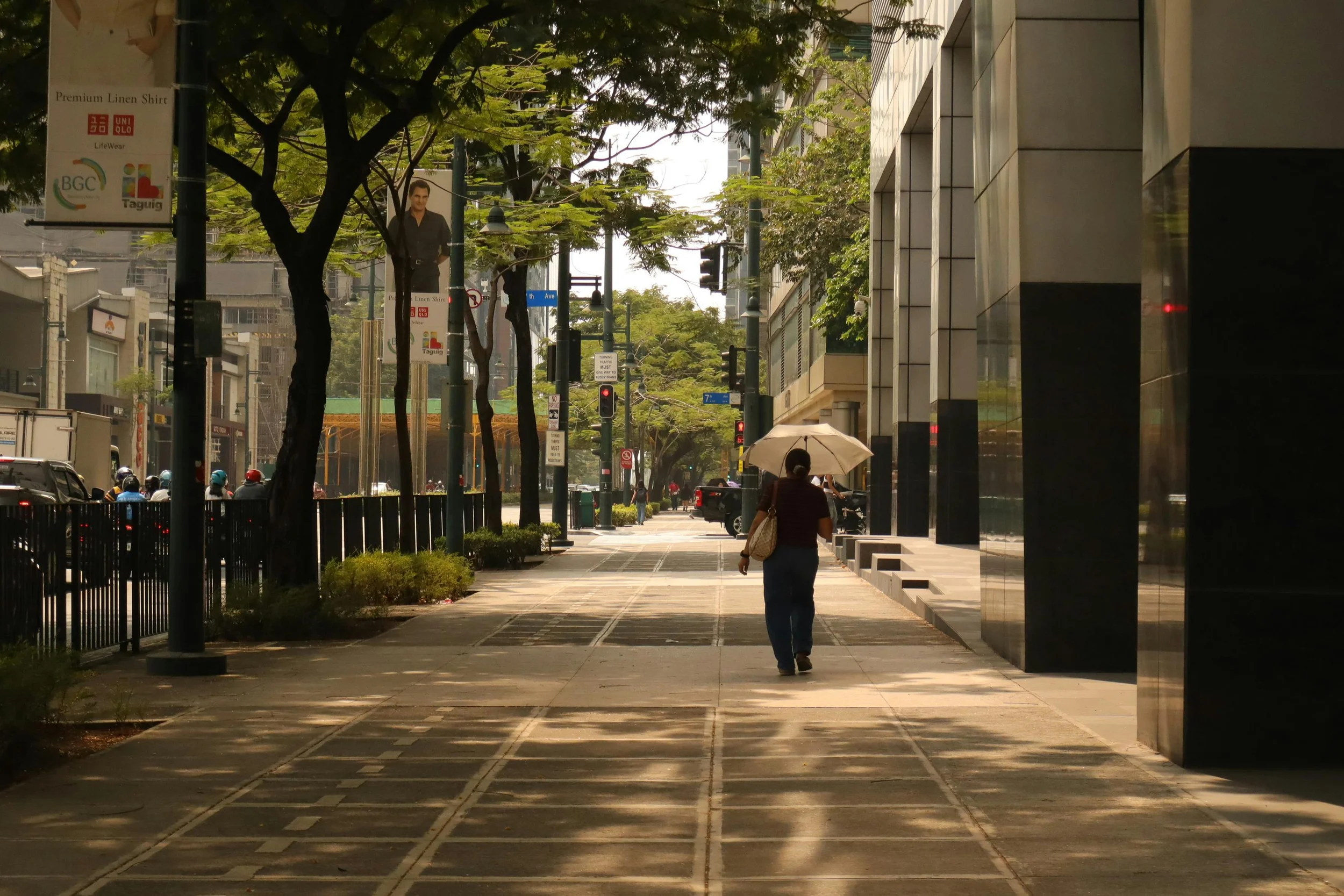
Living in BGC: A Complete Neighborhood Guide
Thinking of living in BGC? Discover everything about the Bonifacio Global City neighborhood—condo prices, schools, commute, dining, and prime real estate.

How to Evaluate a Property Developer in the Philippines Before You Buy
Buying a condo or house in the Philippines? Learn how to verify a developer's DHSUD license, check their track record, and spot red flags before signing.
Pag-IBIG Raises Housing Loan to P10M: What Buyers & Brokers Need to Know
Pag-IBIG Fund raised its housing loan ceiling to P10 million. Here's what the new rates, terms, and condo glut mean for Filipino homebuyers, brokers, and developers.
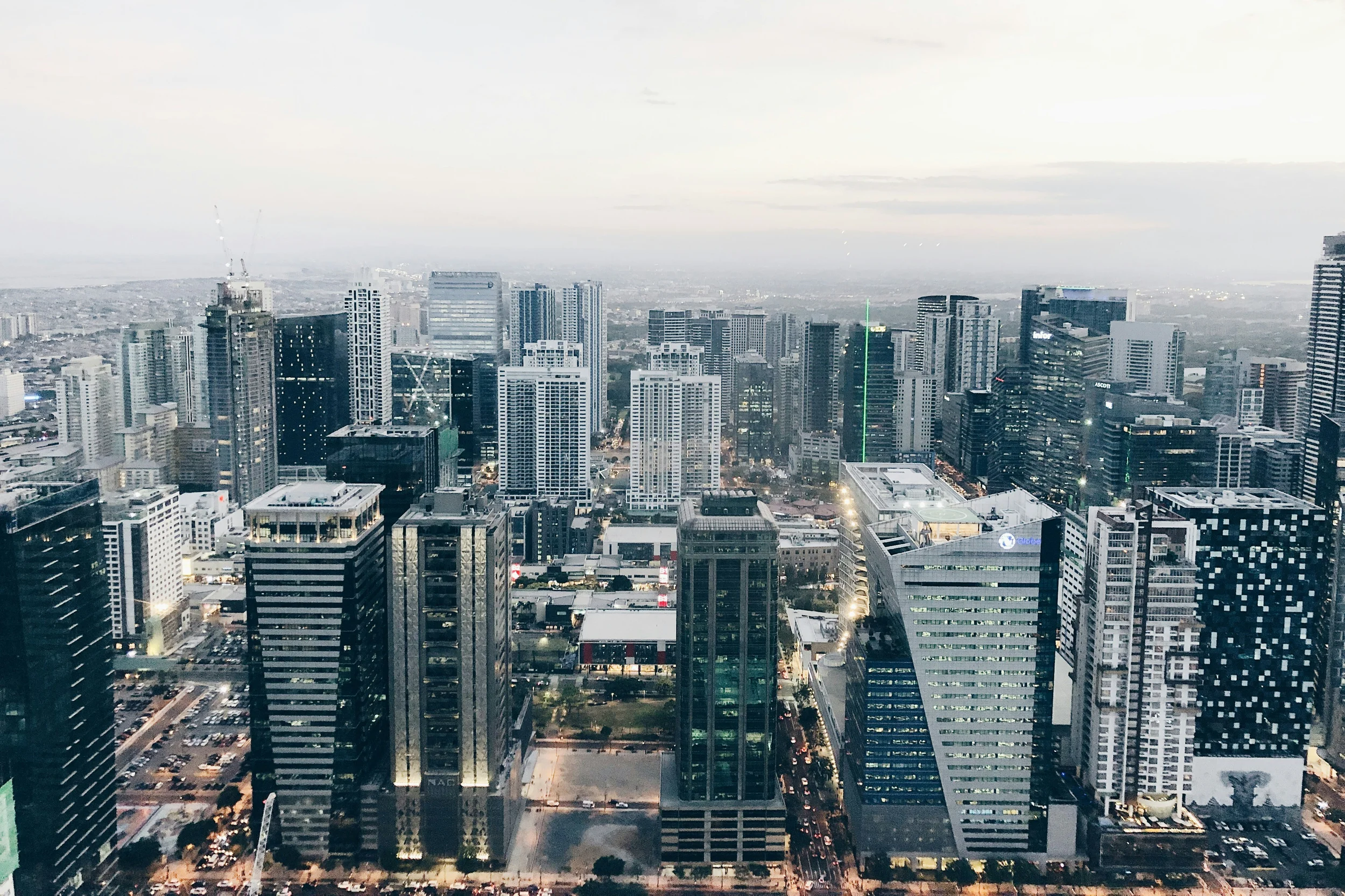
BGC Office Market 2026: What the Data Means for Condo Buyers Near Bonifacio Global City
Savills 1Q 2026 data shows BGC office vacancy at just 8.0%. Discover what tightening supply and rising rents mean for condo prices and investments near Bonifacio Global City.

Complete Guide to Taxes and Fees When Buying Property in the Philippines
Buying property in the Philippines? Learn the full breakdown of taxes, fees, and closing costs so you can budget accurately before you sign.

Real Estate Broker Lead Generation in the Philippines: Top Strategies for 2026
Discover proven lead generation strategies for real estate brokers in the Philippines. Attract more buyers and sellers with digital tools, AI platforms, and smart outreach tactics.

Condo HOA Fees in the Philippines: What's Covered, What's Not, and Your Rights as an Owner
Understand condo association dues in the Philippines — what's covered, rate ranges by area, your legal rights as an owner, and how to dispute illegal increases.

Commercial Space Checklist: What Top-Tier Tenants in Metro Manila Actually Demand
What do corporate tenants really want? From advanced EV charging to smart HVAC and bulletproof connectivity, discover the ultimate office space checklist for Metro Manila.

How to Spot Real Estate Scams in the Philippines: A Buyer's Protection Guide
Learn to protect yourself from property fraud in the Philippines — from fake titles to ghost projects. Includes step-by-step verification guides and legal remedies.
What the National Land Use Act Means for Property Buyers and Investors in the Philippines
The Philippines' National Land Use Act (NLUA) just passed the House. Here's what it means for buyers, investors, and developers in the property market.
Living in Mandaluyong: A Complete Neighborhood Guide
Explore our complete guide to living in Mandaluyong. Discover top neighborhoods, property prices, and lifestyle perks. Find your next home on Listd.ph!

Living in Alabang: A Complete Neighborhood Guide
Weighing a move to the south? Discover if living in Alabang is right for you with our data-driven guide to neighborhoods, schools, and property prices.

Capital Gains Tax in the Philippines: A Complete Guide for Property Sellers
Learn how capital gains tax works in the Philippines for property sellers - computation, exemptions, filing steps, and the full cost-of-selling breakdown.

Bank Housing Loan Philippines: A Complete Guide
Compare 2026 bank housing loan rates in the Philippines — BDO, BPI, Metrobank, and more. Find out which bank fits your profile and how to apply.
Living in Pasig City: A neighborhood and property guide
Weighing your Metro Manila options? Discover if living in Pasig City is right for you with our data-driven guide to neighborhoods, commutes, and property prices.

How to sell bare units faster with AI virtual staging
Help buyers see the potential of empty spaces. Learn how AI virtual staging allows brokers to transform bare units online while maintaining client trust.

Labor Day 2026: Securing the Filipino worker's dream of homeownership
Protect your hard-earned savings. This Labor Day, learn how Filipino workers can safely secure their dream home through the Pag-IBIG housing program.
When Supply Outpaces Demand: Navigating Metro Manila’s Condo Market in a High-Rate Environment
Protect your condo investment. Learn how to navigate Metro Manila's current oversupply and rising interest rates with strategic pricing and leasing options.

Condo pressures spur developer diversification
Navigate shifting market trends safely. Learn how current condo pressures are pushing Philippine developers to diversify and what it means for property buyers.

How to sell your property in the Philippines: A complete guide
Avoid costly surprises. Learn the step-by-step process of selling your property in the Philippines, from navigating seller taxes to safe title transfers.

A First-Time Homebuyer’s Guide to Buying Property in the Philippines
Buying your first home in the Philippines? Learn how to set a budget, choose between Pag-IBIG and bank loans, compute closing costs, and process your title.

Living in Makati: A Complete Neighborhood Guide
Thinking of living in Makati? Explore the best neighborhoods, average condo prices, commute tips, and lifestyle perks in the Philippines' financial capital.

Where to Buy a Vacation Home in the Philippines
Discover the top places to buy a vacation home in the Philippines. Compare actual prices, rental yields, and hidden property risks before you invest. Learn more.

TCT vs. CCT: What Every Filipino Property Buyer Should Know
Buying property in the Philippines? Learn the critical differences between a Transfer Certificate of Title (TCT) and a Condominium Certificate of Title (CCT) before you sign.

OFW Property Investment in the Philippines
Secure your hard-earned savings. Discover the safest ways for OFWs to invest in Philippine real estate, verify properties, and build a future back home.

Real Property Tax in the Philippines: Complete Guide
Learn everything about real property tax (amilyar) in the Philippines - how to compute it, when to pay, and how to avoid penalties.

Preselling vs. Ready-for-Occupancy Condo in the Philippines: Which Is Right for You?
Preselling vs. RFO condo: which is right for you? Discover the pros, cons, and legal protections every Philippine property buyer needs to know before signing.
Foreclosed Properties in the Philippines: A Buyer's Guide
Looking to buy foreclosed properties in the Philippines? Learn how to find, bid on, and buy bank-owned or Pag-IBIG foreclosures at below-market prices.

How to get an online property valuation report in the Philippines
Learn how to get an accurate online property valuation report in the Philippines. Discover the Listd.ph AI valuation tool to make confident real estate decisions.

Rental Property Investment: How to Evaluate a Property Before You Buy
Master your next rental property investment in the Philippines. Learn how to evaluate rental property, calculate yield, and run proper due diligence.

How to Choose the Right Property Manager (A Guide for First-Time Investors)
Not sure how to choose a property manager? This guide covers fees, screening, staff ratios, and communication standards to help first-time investors get it right.

Is It a Good Time to Buy Property in 2026? What the Market Is Telling Us
Thinking of buying property in 2026? Here's an honest look at interest rates, inventory levels, and market signals to help you decide if now is the right time.
The modern-day hero's guide to safe property investing in the Philippines
Protect your hard-earned remittances. Discover the safest way for OFWs to invest in Philippine real estate, avoid scams and verify developers with Listd.ph.

Rent to Own House Philippines: The Complete Guide
Everything you need to know about rent to own homes in the Philippines — how it works, what to watch out for, and how to find the best deals. Check it here.

PagIBIG Housing Loan Requirements for Self-Employed Applicants Checklist
Essential Pag-IBIG housing loan requirements. Learn how to prep your HLAF, valid IDs, and selfie for a faster application. Start your home journey now!

How to apply for a house loan through Pag-IBIG: A step-by-step guide
Turn your dream home into reality. Discover how the Pag-IBIG housing loan offers the most accessible path to homeownership in the Philippines. Learn more!

Cost of renting an apartment in the Philippines
Determining the cost of renting an apartment in the Philippines is complex. Navigate the rental market, move-in fees, and location variables confidently.
Cost of building a house in the Philippines
Learn the vital factors influencing your 2026 home construction budget in the Philippines. Gain insights on material costs, budgeting, and planning your ideal house.

Buying a House as an Unmarried Couple in the Philippines: A Safety Guide
Buying a house in the Philippines as an unmarried couple? Learn the essential legal differences (Article 147 vs 148), titling options, and 3 key steps to protect your investment. Secure your future home.
BIR Zonal Values in the Philippines 2026: The Essential Property Seeker's Guide
Avoid hidden property costs. Learn what BIR zonal values are, how to easily check them online, and how they impact your real estate taxes in the Philippines.
Condo for Sale in the Philippines: The Complete Buyer's Guide
Searching for a condo for sale in the Philippines? Discover 2026 prices, bank rates, hidden costs, the 50-year rule explained, and a step-by-step buying checklist.

The Ultimate House Buying Checklist: Don’t Buy a Home Without It
Buying a home in the Philippines? Master the process with our 6-phase checklist. From Pag-IBIG readiness to title transfers, ensure a safe and secure purchase.
Stay Updated on Market Trends
Get the latest real estate insights, investment tips, and market analysis delivered to your inbox every week.
Join 10,000+ subscribers. No spam, unsubscribe anytime.